In today’s fast-paced digital world, maintaining good eye health is crucial. With so many aspects of people spending hours in front of screens, it’s essential to find ways to protect and improve our vision. One promising therapy for maintaining and enhancing eye health is red light therapy. In this article, we will explore the amazing benefits of red light therapy for eye health and how you can incorporate it into your daily routine.
Red light therapy has been gaining popularity in recent years as a non-invasive and effective treatment for various health conditions. One of the areas where red light therapy has shown great promise is in improving eye health. In this article, we will explore the amazing benefits of red light therapy for your own declining eyesight.
Red light is a natural way to preserve your vision. Wavelengths of deep red light (at least 650 nm) and near-infrared light (at least 750 nm) have been tested in multiple clinical trials and are found safe and effective. During research suggests a recent study, he discovered that patients with macular defects and glaucoma had significantly improved vision in near-infrared light and that those who had suffered eye injuries from near-infrared light had a faster healing process with less inflammation.

Overview of Eye Health
Eye and ocular health are essential for maintaining good vision and preventing eye-related diseases such as age-related macular degeneration, glaucoma, and cataracts. Proper eye care includes regular eye exams, a healthy diet, and protection from excessive blue light exposure.
Benefits of Red Light Therapy for Eye Health
Red light therapy offers several potential benefits for eye health, including:
1. Improving Visual Acuity
Studies have shown that red light therapy can improve visual acuity, particularly in people with age-related vision loss. By the energy metabolism increasing blood flow and ATP production, red light therapy supports cellular repair and regeneration in the eyes, leading to improved vision.
Red light therapy improves visual acuity through several mechanisms that contribute to vision improvement and the overall health and function of the eyes. Here’s how red light therapy works and why long-wavelength red light treatments promote better visual acuity:
Increased ATP and energy production: Red light therapy stimulates the mitochondria within the cells, increasing the energy production amount of adenosine triphosphate (ATP). ATP is the primary energy source for cells, including those in the eyes. With more ATP available, cells can function more efficiently to generate energy, repair the damage, and regenerate, leading to better overall eye health and improved visual acuity.
Enhanced blood flow: Exposure to red and near-infrared light during red light therapy boosts blood circulation in the treated area. In the context of the eye and ocular health, this means that the retina and other ocular tissues receive more oxygen and nutrients, which helps maintain the proper functioning of the cells responsible for vision.
Reduced inflammation in visual acuity: Red light therapy has anti-inflammatory effects, which can be beneficial in healing eye diseases and injuries and maintaining good eye health. Inflammation can negatively impact visual acuity by causing swelling, pain, and other issues. By reducing inflammation, red light therapy can help with healing eye injuries and diseases, preserve visual acuity and prevent further damage to the eyes.
Cellular repair and regeneration: Red light therapy promotes cellular repair and regeneration in the eyes by stimulating the production of growth factors and the activation of specific genes related to cell survival and function. This process contributes to the overall health of all the participants’ eyes, including the photoreceptor cells responsible for vision, which in turn can lead to improved visual acuity.
Protection against cell death from oxidative stress: Oxidative stress, caused by an imbalance between free radicals and antioxidants, can damage cells in the eyes and contribute to vision loss. Red light therapy has been shown to increase the production of antioxidants and protect cells in the human retina from oxidative stress, thereby against vision loss and preserving visual function.
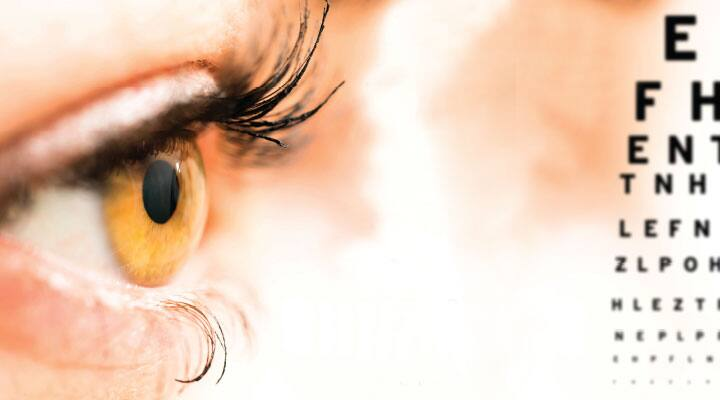
2. Reducing Eye Strain and Fatigue
Exposure to screens and artificial light can move peripheral vision and lead to reduced inflammation due to eye strain and fatigue. Red light therapy helps alleviate this discomfort by with sleep patterns reducing inflammation of peripheral vision and promoting relaxation.
The use of red light therapy has been found to be beneficial for eye health in a variety of ways. Red light therapy is a form of treatment that uses short, intense flashes of red and white light to treat different conditions. The wavelengths of red light can penetrate deep into the eyes, which can help reduce eye strain and fatigue.
Additionally, red light therapy has been shown to improve vision in patients with age-related macular degeneration (AMD), a condition that causes the loss of central vision. In some cases, red light therapy has even been found to improve vision without the need for surgery or medication.
Most people know that using artificial lighting at night can cause eyestrain and fatigue. However, did you know that using red light also has these negative effects on your eyes? For years, scientists have known that certain colors of natural light have different effects on the human body. Red light is especially beneficial for reducing eye strain and fatigue because it emits shorter wavelengths than other colors.
Short-wavelength radiation (such as infrared light such as sunlight) is the most effective type of radiation for fighting inflammation and promoting healing. While blue and violet lights are helpful for relaxation, they do not penetrate very deeply into your eyes as red does. This is why red light therapy devices often come with an extra-strong lens filter so you get all the benefits of red light therapy for eye health!

3. Preventing Age-Related Macular Degeneration
Age-related macular degeneration (AMD) is a progressive eye condition that affects the central part of the retina, called the macula, leading to vision loss over time. Red light therapy has shown promise in preventing or less vision loss and slowing the progression of AMD through several mechanisms:
Red light therapy is a relatively new form of treatment that has shown great promise for improving visual acuity in people with eye diseases. In red light therapy, an alternating pattern of red and green light is used to stimulate the retina.
This can improve vision in people with posterior subdural hematoma (PSDH), an extremely rare condition that results when blood accumulates between the brain and the skull, causing pressure on the optic nerve. Red light therapy has also been shown to improve vision in people with age-related macular degeneration (AMD), a common condition that causes gradual loss of central vision.
There are two types of red light therapy devices: those that use a disk or mirror to direct the light onto the eye, and those that use a laser pointer. The former is more commonly used because they are less obtrusive than the latter, and they generally provide better results. However, either type of device can be effective if used properly.
One of the ways red light therapy works is by slowing down or stopping the progression of AMD. It does this by boosting the growth of new blood vessels in your retina. Over time, regular use of red light therapy has been found to protect against both late-stage AMD and advanced AMD.
There are several benefits of red light therapy for eye health. First, it is an affordable treatment option that can be used at home without any professional help. Second, it is non-invasive, meaning there are no risks associated with its use. Third, red light therapy is safe for both children and adults. Finally, it has been found to be effective in a wide variety of conditions, including AMD and other types of eye diseases such as cataracts and glaucoma.

4. Alleviating Dry Eye Syndrome
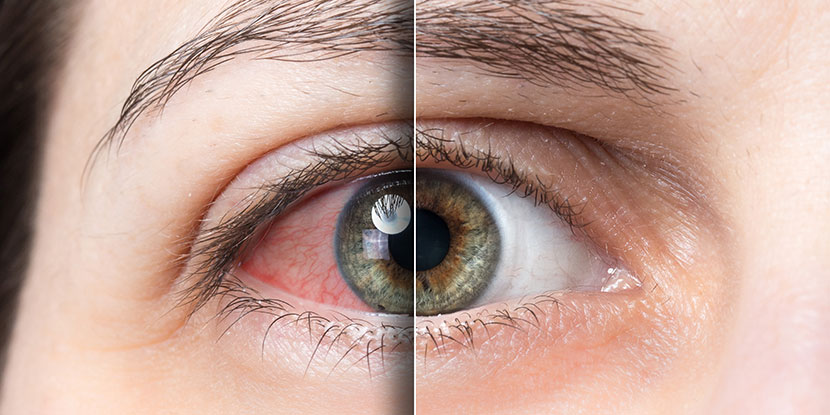
Dry eye syndrome is a common condition that occurs when the eyes do not produce enough tears or when the tears evaporate too quickly, causing discomfort, redness, and inflammation. Red light therapy can help alleviate dry eye syndrome through several mechanisms:
Red light therapy improves blood circulation in the treated area, which, in the case of eye health, means the various ocular cells and tissues receive more oxygen and nutrients. Increased blood flow can help maintain the health of the various ocular cells and surfaces and promote healing in cases of dry eye syndrome. All the participants had normal color contrast vision at the start of the trial. Some individuals were exposed to 3 minutes of deep red light in the morning, and other participants received light exposure in the afternoon.
Cellular repair wound healing and regeneration: Red light therapy promotes cellular repair and regeneration, which can help heal and rejuvenate the ocular surface affected by dry eye syndrome. This process can contribute to reducing dry eye symptoms, restoring vision, and promoting overall eye comfort.
5. Enhancing Night Vision
Red light therapy may improve night vision by increasing blood flow to the retina and supporting the regeneration of photoreceptor cells responsible for low-light vision.
Night vision relies on the function of rod cells, a type of photoreceptor cell in the retina that is highly sensitive to infrared light in low-light conditions. Red light therapy can help enhance night vision through several mechanisms that contribute to both vision improvement and the overall health and function of all retina cells and rod cells.
Red light therapy has been shown to be an effective treatment for enhancing night vision by stimulating the cells in the retina and improving overall visual function.
Recent research suggests that red light therapy may also be effective in treating other eye diseases, such as diabetic retinopathy and glaucoma. In a study published in the journal Investigative Ophthalmology and Visual Science, researchers found that red light therapy was able to reduce the amount of debris in patients’ eyes by up to 50 percent.
Red light therapy is also known to improve blood flow to the eyes, which can help reduce the risk of eye injuries. It is important to note that red light therapy is not a substitute for regular eye exams and treatments. Instead, it should be used in conjunction with traditional therapies to achieve the most benefits of red light therapy for eye health.

How to Use Red Light Therapy for Eye Health
At-home devices
There are numerous red light therapy devices available for at-home use, including handheld devices, masks, and panels. It’s essential to follow the manufacturer’s instructions for proper usage and duration of red light treatment. Generally, sessions last between 10-20 minutes and can be performed daily or several times a week, depending on your needs and the device’s specifications.
Professional treatments
For a more targeted and powerful red light therapy experience, consider visiting a professional practitioner, such as an optometrist or ophthalmologist specializing in photobiomodulation therapy and red light therapy works well. They can recommend a customized light treatment and plan based on your specific eye health needs.
Safety and Side Effects
Red light therapy is considered safe and non-invasive, with minimal side effects. However, it’s essential to choose high-quality devices and follow proper usage guidelines to avoid potential risks, such as eye irritation or damage from excessive red light exposure. If you have any concerns or pre-existing eye conditions, consult your eye care professional before starting red light therapy. See the Power Tips for Vision Therapy for Strabismus.
Conclusion
Red light therapy offers a promising, non-invasive approach to maintaining and improving eye health. By incorporating red light therapy into your eye care routine, you may experience the benefits of red light therapy for eye health such as improved visual acuity, reduced eye strain and fatigue, prevention of age-related macular degeneration, alleviation of dry eye syndrome, and enhanced night vision. Always consult with your eye care professional and use high-quality devices to do red light treatments for aging eyes to ensure the best results and safety.
It has been that low-level laser therapy has been shown to improve eye health in a variety of ways, including reducing the risk of cataracts and macular degeneration. If you are looking to maintain your eyesight and reduce your chances of developing age-related vision problems, red light low-level laser therapy may be the perfect solution for you. Give it a try today!
FAQs
Can I use red light therapy if I have an existing eye condition?
It’s crucial to consult with your eye care professional before starting red light therapy if you have a pre-existing eye condition. They can determine if red light therapy is suitable for you and recommend an appropriate treatment plan.
How long does it take to see results from red light therapy for eye health?
Results may vary depending on the individual and the specific eye health concern being addressed. Some people may notice significant improvements within a few weeks, while others may require several months of consistent treatment.
Can red light therapy be used in combination with other eye care treatments?
Yes, red light therapy can be used alongside other eye care treatments, such as prescription eyewear, eye drops, and nutritional supplements. Always consult with your eye care professional to develop a comprehensive eye care plan.
Are there any potential risks or side effects of using red light therapy for eye health?
Red light therapy is generally considered safe and non-invasive, with minimal side effects. However, it’s essential to follow proper usage guidelines and choose high-quality devices to avoid potential risks, such as eye irritation or damage from excessive exposure.
Can I use red light therapy to treat other health conditions besides eye health?
Yes, red light therapy has been shown to improve a wide range of health conditions, including skin health, pain management, wound healing, and mental well-being. Always consult with a healthcare professional to determine if red light therapy is appropriate for your specific needs.
Is red light therapy safe for the eyes?
Red light therapy is generally considered safe for the eyes when used properly. It is important to follow the manufacturer’s instructions and to consult with a healthcare professional before starting red light therapy for eye health.
Thank you for reading and make sure you check out the best red light therapy products!