Have you ever noticed that your eyes feel tired and strained after a long day at work or school? This may be due to the impact of stress on eye health. Stress can have a significant impact on the eyes, causing a range of problems from dryness and discomfort to more serious conditions such as glaucoma and macular degeneration. In this article, we will explore the eye-opening truth about the devastating impact of stress on eye health, and provide tips on how to manage stress and protect your eyes.
Stress is your body’s reaction to pressure. Your body produces certain hormones under stress, setting off a fight or flight response and activating your immune system. As a result, you’re able to act quickly during risky situations.
Understanding Stress and Eye Health
Stress and eye health are interconnected in various ways. Chronic pain and stress can affect your overall health, including your eye health.
What is Stress?
Stress is a natural response to the body’s reaction to perceived potential threats or challenges. It can manifest in the body’s response in various ways, such as physical, emotional, and cognitive symptoms. While the short-term impact of stress on eye health can help us react to immediate dangers or motivate us to achieve goals, chronic stress can have severe consequences on our overall well-being.
The Connection Between Stress and Eye Health
Our eyes are sensitive to stress, and chronic stress can lead to a range of eye health issues. When we experience stress, our body releases stress hormones, such as cortisol and adrenaline, which can impact blood flow and blood pressure too, as well as digestive systems such as the functioning of our eyes.
Effects of Stress on Eye Health
Stress can have various effects on eye health, and it is essential to see an eye doctor to understand how stress can affect your vision. Here are some ways stress can affect your eyes:
Eye Strain and Computer Vision Syndrome
Stress can have a negative impact on eye health, leading to conditions such as eye strain and computer vision syndrome (CVS). Eye strain occurs when the eyes are overworked and fatigued, often as a result of prolonged use of digital devices or reading in poor lighting conditions. CVS is a more specific condition that can occur as a result of extended computer screen use and includes symptoms such as headaches, blurred vision, and dry eyes.
When under stress, the body can release hormones that cause the eyes to dilate, leading to an increase in intraocular pressure. This can exacerbate existing conditions such as glaucoma, which can damage the optic nerve and lead to vision loss. In addition, the impact of stress on eye health can cause tension in the muscles around the eyes, leading to headaches and eye strain.

Dry Eyes
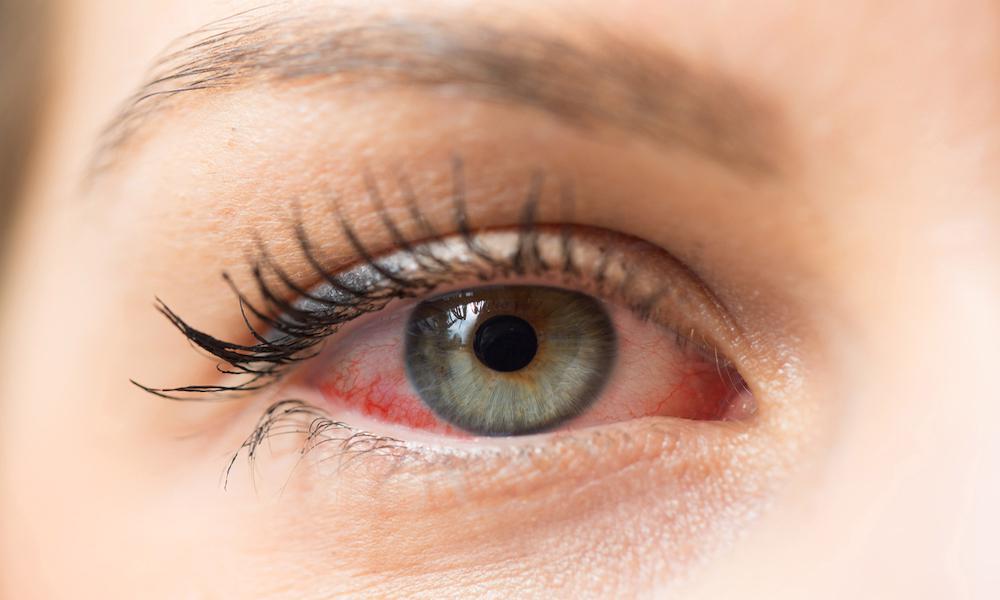
Stress can also contribute to the development of dry eyes, a condition where the eyes do not produce enough tears or produce poor-quality tears. Dry eyes can cause discomfort, including burning, itching, and a feeling of dryness or grittiness in the eyes. This can lead to blurred vision, sensitivity to light, and even pain.
When under stress, the body can produce hormones that can decrease tear production, exacerbating dry eyes. The impact of stress on eye health can also cause people to blink less frequently or to blink more forcefully, which can also contribute to the development of dry eyes.
To prevent dry eyes, it is important to maintain a healthy lifestyle that includes a balanced diet and regular exercise, as well as to practice good eye hygiene, such as avoiding exposure to irritants for wet eyes like smoke or dry air. Using artificial tears or lubricating eye drops can also help to relieve dry eyes.
Central Serous Retinopathy
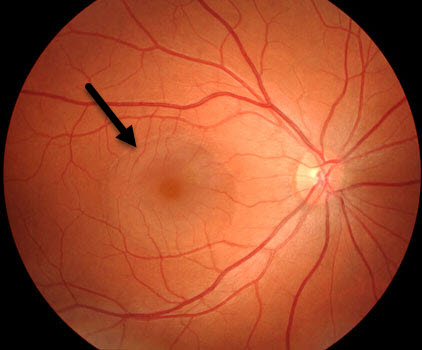
Stress has also been linked to the development of central serous retinopathy (CSR), a condition where fluid builds up behind the retina, leading to distorted vision and potential vision loss.
While the exact causes of CSR are not fully understood, stress and anxiety have been identified in clinical trials as potential triggers. It is thought that a stress response can cause an increase in cortisol levels, which can in turn affect the permeability of the blood vessels in the retina, leading to fluid buildup.
Other risk factors for CSR include male gender, age (typically 20-50 years old), and the use of corticosteroid medications.
Symptoms of CSR can include blurred or distorted vision, a blind spot in the center of peripheral vision, and reduced color perception. Treatment options for CSR may include observation, laser therapy, or medication to reduce fluid buildup.
Glaucoma
Stress has also been linked to an increased risk of developing glaucoma, a group of eye diseases that damage the optic nerve and can lead to vision loss or blindness. While the exact mechanisms linking stress to glaucoma are not fully understood, some studies suggest that stress can increase intraocular pressure, which is a major risk factor for glaucoma. Other factors, such as poor blood flow to the optic nerve or changes in the autonomic nervous system, may also contribute to the development of glaucoma.
Symptoms of glaucoma can include blurred vision, eye pain, headaches, and halos around lights. However, many people with glaucoma do not experience any symptoms in the early stages of the disease, which is why regular eye exams are important for early detection and treatment.
Optic Neuropathy
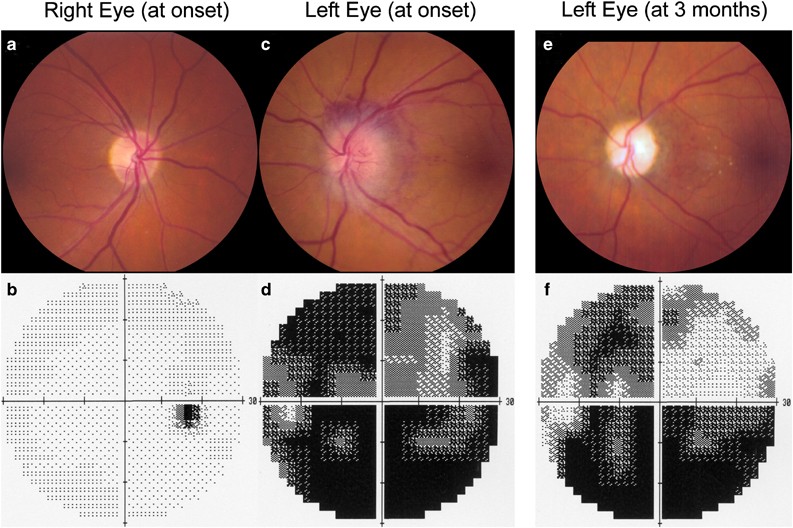
Stress can potentially affect optic nerve function by causing blood vessels in the eye to constrict, leading to decreased blood flow and more light and oxygen supply to the optic nerve. Additionally, stress may contribute to inflammation or other immune system responses that can damage the optic nerve.
Symptoms of optic neuropathy can include blurry vision, blind spots, and loss of color vision. Treatment options may include medications to reduce inflammation, optic nerve stimulators, or surgery.
In addition to stress, other risk factors for optic neuropathy may include high blood pressure, diabetes, smoking, and certain medications. It is important to manage stress levels and to address any other risks and common lifestyle factors, to prevent optic neuropathy and other eye conditions.
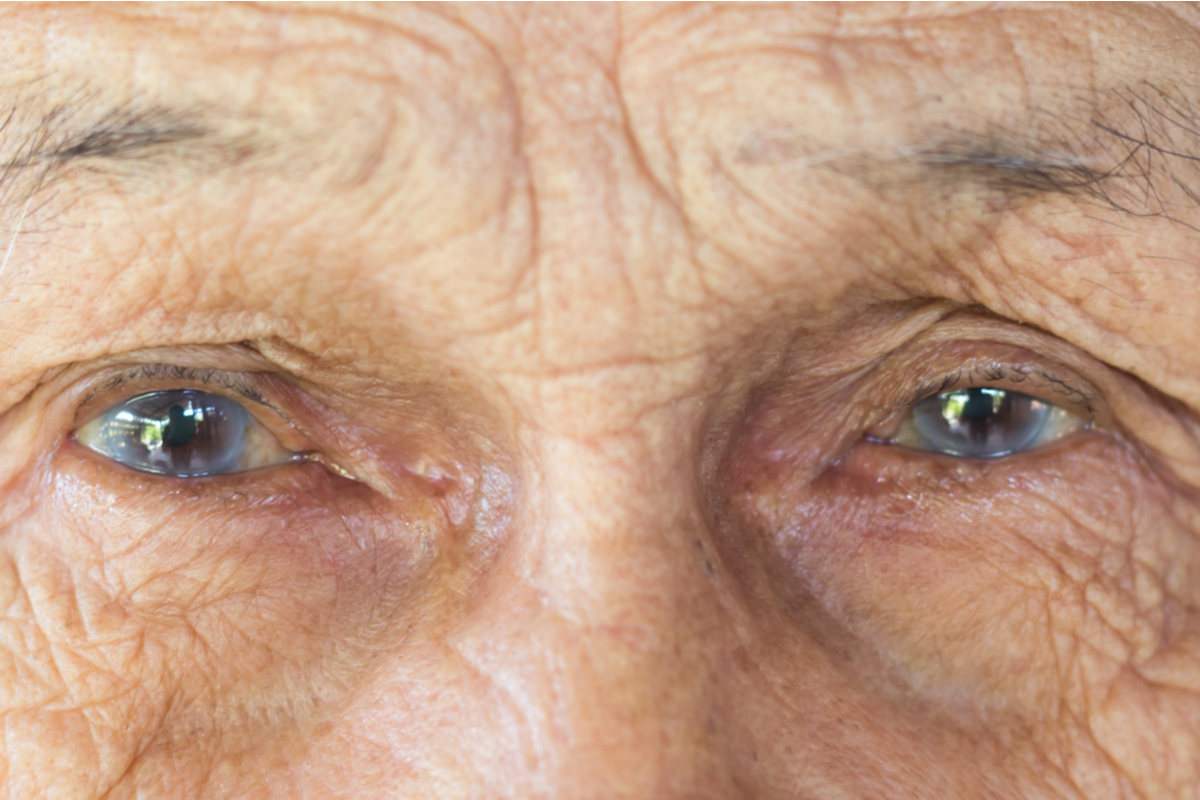
Stress-Induced Cataracts
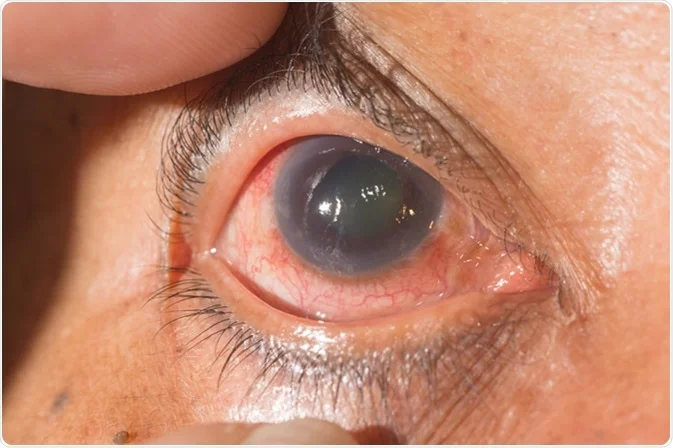
One way stress can potentially contribute to cataract development is through the release of stress hormones, which can cause changes in the metabolism of the lens proteins, leading to protein aggregation and lens opacification. Stress hormones can also affect the antioxidant defense system in the lens, making it more vulnerable to oxidative stress, a key factor in cataract development.
Other risk factors for cataracts may include age, genetics, diabetes, smoking, and prolonged exposure to UV radiation.
Symptoms of cataracts can include cloudy or blurry vision, sensitivity to light, double vision, and difficulty seeing at night in bright light. Treatment for cataracts may include corrective lenses or surgery to replace the cloudy lens with an artificial one. Either symptom can be a result of stress, but which one you feel depends on how your body handles stress and eye twitching.
Prevention of Stress-Related Eye Problems
Preventing stress-related eye problems involves managing stress and adopting healthy habits. Here are some tips for stress-related vision problems:
Relaxation Techniques
Incorporating relaxation techniques into your daily routine can help prevent stress-related eye problems. Mindfulness meditation, deep breathing, progressive muscle relaxation, and guided imagery are effective methods to empty muscle tension, reduce stress and improve overall well-being.
Physical Activity
Regular physical activity can help combat stress and promote better eye health. Aim for at least 30 minutes of moderate exercise most days of the week, such as brisk walking, swimming, or cycling. Practicing meditation and mindfulness with deep breathing exercises is also a recommended way to manage stress levels and in doing so.
Nutrition and Supplements
A balanced, healthy diet and proper nutrition can help support eye health and reduce the impact of stress on eye health. Incorporate foods rich in antioxidants, vitamins A, C, and E, and omega-3 fatty acids. Additionally, consider taking supplements, such as lutein and zeaxanthin, to further support eye health.
Conclusion
The eye-opening truth is that the impact of stress on eye health has a devastating affect on eye health. By understanding the connection between stress and eye health, we can take steps to alleviate continuous stress and prevent stress-related eye problems. Prioritizing eye care, making lifestyle changes, and seeking professional help when necessary can help protect your eyes from the damaging effects of stress.
FAQs For The Impact of Stress on Eye Health
Can stress cause permanent damage to the eyes?
Stress can contribute to the development of several eye conditions that can potentially cause permanent damage if left untreated. Early intervention and stress management are crucial in preventing permanent damage.
Are the Impact of Stress on Eye Health reversible?
The reversibility of stress-related eye and stress hormone-related vision problems depends on the specific condition and its severity. Proper treatment, stress management, and lifestyle changes can improve many stress-related eye tunnel vision issues.
How can I tell if my eye problems are stress-related?
If you’re experiencing eye problems alongside other symptoms of stress, such as headaches, irritability, or sleep disturbances, it’s possible that stress is contributing to your eye issues. Consult with an eye care professional for a thorough evaluation.
Can stress cause vision loss?
While stress alone may not directly cause vision loss, it can exacerbate existing eye conditions or contribute to the development of eye issues that can lead to vision loss if left untreated.
How can I protect my eyes from the effects of prolonged mental stress?
To protect your eyes from stress enough sleep-related problems, practice good eye care habits, maintain a balanced diet, exercise regularly, prioritize sleep, and incorporate relaxation techniques into your daily routine. Additionally, seek professional help if you feel stressed and struggling with chronic, caused by stress and eye health concerns.
Thank you for reading and make sure you get your stress under control!