



Are you seeing the world in black and white?
If so, eye color blindness might be to blame! Don’t worry though, there are plenty of strategies for coping with eye color blindness. From eye-care products to lifestyle changes, we’ll explore the 10 best strategies for coping with eye color blindness.
With our help, you can get back to seeing all the colors of the rainbow again! Plus, learn how to increase awareness about eye color blindness and promote better understanding and care for those affected.
Read on now and find out more about these amazing strategies that will have your vision restored in no time!
Eye color blindness and how it affects millions of people globally
“Eye color blindness, also commonly known as color vision deficiency (CVD), is a condition that affects millions of people worldwide. It is a form of visual impairment caused by an individual’s inability to distinguish between certain colors, usually red and green. Eye color blindness is typically inherited from one or both parents, with up to 8% of males and 0.4% of females having the condition.”
“Eye color blindness can be diagnosed through eye exams, genetic testing or by asking questions about what colors an individual is able to see clearly. The condition is usually managed with eye-care products such as corrective lenses, and lifestyle changes such as reducing eye strain.”
Use Of Corrective Lenses: One of the most common strategies for managing eye color blindness is by using corrective lenses, either in the form of eyeglasses or contact lenses. These corrective lenses can help to improve vision, allowing an individual with eye color blindness to distinguish between colors they were previously unable to.
Diagnosing eye color blindness
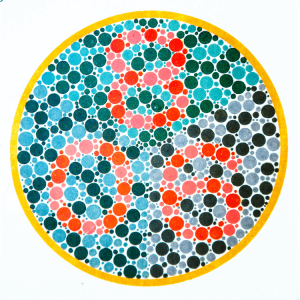
Fortunately, eye color blindness can be diagnosed with specific tests designed to detect abnormalities in the eye that could cause CVD.
The most common test to diagnose eye color blindness is the Ishihara Color Test. This test uses a series of plates with different colored numbers in circles surrounded by different colored backgrounds. Patients are asked to look at each plate and identify the number that appears. If the patient is unable to correctly identify one or more of the numbers, then eye color blindness is suspected.
Other tests used to diagnose eye color blindness include the Farnsworth-Munsell 100 Hue Test (FM-100), the Anomaloscope, and the Optec 900 Color Vision Test. These tests involve looking at different colored dots on a screen or paper and matching them to standard colors. If eye color blindness is present, the patient will be unable to match the colors correctly.
Once eye color blindness has been diagnosed, it’s important to take steps to manage the condition and reduce its impact on everyday life. There are a variety of eye-care products available that can help improve vision.
Lifestyle changes to reduce eye strain
Eye color blindness can have a significant impact on an individual’s life, making it difficult to perform everyday tasks and activities. One of the most effective ways of managing eye color blindness is to make certain lifestyle changes that can reduce eye strain.
The first step in reducing eye strain is to ensure that you are getting adequate rest. Many eye color blind people find it difficult to sleep well, as they are often more sensitive to bright light. Therefore, eye-care professionals recommend that eye color blind individuals try to create a dark and comfortable sleeping environment. Additionally, taking regular breaks during the day can help reduce eye strain.
It is also important for eye color blind individuals to take steps to limit eye exposure to bright lights and screens. Excessive exposure to bright light can worsen eye strain and make it more difficult for eye color blind individuals to see clearly.
To limit eye exposure, eye-care specialists recommend wearing sunglasses when out in direct sunlight and using a computer monitor filter when working on a computer.
Additionally, eye color blind individuals should take frequent breaks from looking at screens and try to dim the lights in their homes or workplaces if possible.
Finally, eye-care professionals recommend that eye color blind individuals practice relaxation techniques such as meditation or yoga to reduce eye strain.
Strategies for coping with eye color blindness
While eye color blindness can be mild and manageable, it can also cause problems with daily activities such as reading, driving and participating in sports.
Fortunately, there are a number of strategies for coping with eye color blindness that can help improve quality of life. Here are 10 of the best strategies for managing eye color blindness:
1. Get an eye exam:
Visiting an eye doctor for regular eye exams is essential for eye color blindness. An eye doctor can diagnose eye color blindness and provide the right treatment plan, which could include the use of eye-care products such as glasses or contact lenses to improve vision.
2. Wear protective eyewear:
Wearing protective eyewear is important for eye health, especially when participating in activities that involve eye strain, such as reading or computer work. Protective eyewear can help reduce eye strain and shield the eyes from direct light.
3. Adjust lighting:
Making adjustments to the lighting in your home or office can help reduce eye strain caused by eye color blindness. Dimming lights and using natural light whenever possible can be beneficial for eye health.
4. Take breaks:
If you spend a lot of time in front of screens, it is important to take regular eye breaks throughout the day. This can help reduce eye strain and improve eye health.
5. Choose the right lenses:
When choosing eyeglasses or contact lenses, it is important to select lenses that are designed to help with eye color blindness. For example, blue-blocking lenses can help reduce eye strain caused by bright light and glare.
6. Exercise:
Regular exercise is important for eye health, as it helps increase blood flow to the eyes. Moderate aerobic activities such as walking or biking can be beneficial for eye health and vision.
7. Eat eye-healthy foods:
Eating eye-healthy foods can help improve eye health and vision. Foods such as carrots, spinach, salmon, and eggs are high in nutrients that are essential for eye health.
8. Reduce eye strain:
Reducing eye strain caused by activities such as reading or computer use can help improve eye health. This can include taking regular eye breaks, adjusting lighting to reduce glare, and using magnification tools to help with small text.
9. Get enough sleep:
Getting adequate sleep is important for eye health. Lack of sleep can cause eye strain and fatigue, so it is important to get at least 7-8 hours of sleep each night.
10. Increase awareness:
Increasing eye color blindness awareness is important in order to promote better understanding and care for those affected. This can include participating in eye color blindness events, spreading the word through social media, or talking with friends and family about eye color blindness.
By following these strategies, individuals with eye color blindness can take steps to improve eye health, reduce eye strain, and manage their condition on a daily basis. If you have eye color blindness, it is important to speak with an eye doctor in order to get the best treatment plan for your particular situation.
Promoting better understanding and care for those affected by eye color blindness
In order to promote better understanding and care for eye color blindness sufferers, it is important to increase awareness about the condition and its effects. Public education programs can help spread knowledge about eye color blindness, as well as provide support networks for those affected. Additionally, eye-care professionals should be well informed about eye color blindness and its diagnosis and treatment so that they can help patients understand the condition and provide appropriate care.
For those living with eye color blindness, there are a number of strategies for coping with the condition. Special eye-care products such as colored glasses can help improve eye color vision, and lifestyle changes such as reducing eye strain can also be beneficial. Additionally, it is important for those with eye color blindness to practice safe eye habits, such as wearing protective eyewear when outdoors and avoiding bright lights.
By increasing public awareness about eye color blindness, we can ensure that those affected receive the support and care they need. Awareness campaigns, education programs, and eye-care products can all help to improve the lives of eye color blindness sufferers and provide a better understanding of eye health for everyone. With these strategies in place, eye color blindness sufferers will have access to the resources they need to lead active, healthy lives.
FAQ’s For Eye Color Blindness
How early can you tell if someone is color blind?
You can tell if someone is color blind from a very early age. In fact, most infants and toddlers can typically be tested for colorblindness by the age of four.
Does color blindness count as a disability?
Yes, color blindness certainly counts as a disability. Depending on the type of color blindness someone has, their vision can be affected in various ways. For example, some people with total color blindness don’t have any ability to distinguish colors at all and rely solely on brightness and hue for contrast when making decisions about colors. Other people with partial color blindness may only be able to distinguish a few colors from others or even just shades of grey.
Can people who are color blind drive?
Yes, absolutely! People who are color blind can drive. The fact is, driving doesn’t rely on an individual’s color vision – which might be impaired in people with color blindness – but rather on noticing and correctly interpreting various shapes, symbols and lights. With this in mind, as long as a driver has functional vision that allows them to adequately perceive the roadway and recognize traffic signs properly, they should be able to operate a vehicle safely and securely.
Of course, people with color blindness may still have difficulty spotting certain things at night or during inclement weather (like fog or rain), so it could be wise for them to practice caution.
Can color blindness get worse with age?
As we age, our eyes change. We may experience a decrease in visual acuity and color vision can be affected as well. While there is no evidence to suggest that color blindness itself will get worse with age, there can be additional changes in your ability to perceive colors accurately over time.
While there is generally no increase in severity when it comes to color blindness over time, it’s possible older adults may notice less vividness due to a combination of factors such as overall decreased acuity due to aging and cataracts (clouding of the eye lens).
What are the 3 types of color blindness?
Thank you to Demystifying Medicine McMaster for letting us share the video.
Color blindness is a condition in which individuals are unable to distinguish certain colors due to defects in the cones of their eyes. There are three main types of color blindness:
1. Protanopia (red-green color blind): People with this type cannot detect red and green, making these colors appear washed out or muted. The majority of people who are colorblind have this form.
2. Deuteranopia (green-blind): This type also affects the ability to differentiate between red and green, however it tends to manifest more in shades known as yellow-greens and blue-greens, rather than just pure reds and greens like protanopia does.
3. Tritanomaly (blue–yellow color blind): Individuals with tritanomaly have difficulty distinguishing blues from yellows – for example, they may find it hard to tell the difference between navy blue and dark purple or between bright teal and yellowish green..
Of course, there can be combinations of these three main subtypes as well, having both deuteronimia & tritanomaly is called “dichromacy”, while someone with all 3 forms is known as “trichromat”. Additionally, some people may also experience partial color blindness instead of full spectrum – this can make it more difficult for them identify specific nuances within their range that they still can see.
Final Thoughts
Eye color blindness is a condition that affects millions of people worldwide and can have a significant impact on quality of life for those affected. Fortunately, there are many strategies available to help manage eye color blindness, from eye-care products to lifestyle changes.
Increasing awareness about eye color blindness will also go a long way in providing better understanding and care for those who suffer from this condition. We hope that our article has provided some valuable insight into the 10 best strategies for coping with eye color blindness so you can take charge of your vision health and live an active life despite any challenges posed by this condition.
Thank you for reading and for sure take good care of those eyes!


