


Thank you to EyeSmart for letting us share this video.
Do you suffer from dry eyes in the morning?
If so, you’re not alone. Many people experience this issue. In this blog post, we will discuss the causes of dry eyes in the morning and how to overcome them. We will also provide some tips on how to keep your eyes healthy and hydrated!
To give you a better understanding of dry eye, you first need to know the purpose tears. The three components of tears are:
Water, Oil, and Mucus.
Each one plays an important role in maintaining a healthy eye surface.
- The water component keeps the surface of your eye lubricated.
- The oil component prevents evaporation of the tear film.
- The mucus component coats the surface of your eye and traps foreign particles.
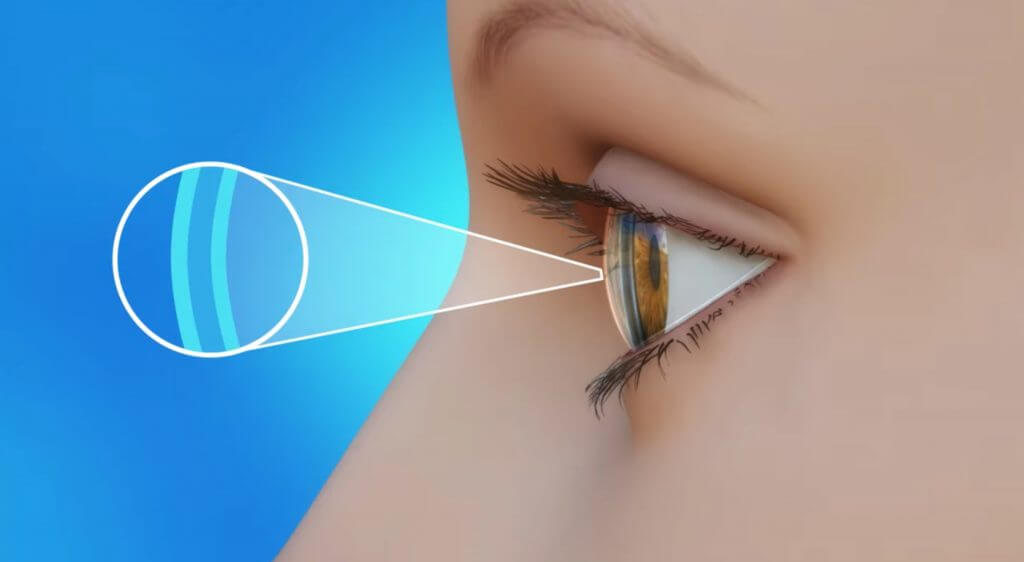
Here Are Some Reasons You May Have Dry Eyes in the Morning
Lack of sleep
When you don’t get enough sleep, your body doesn’t produce enough tears to keep your eyes lubricated. This can cause your eyes to feel dry, irritated, and even painful.
There are a few things you can do to help reduce the symptoms of dry eyes in the morning:
– Use a humidifier in your bedroom at night to help add moisture to the air.
– Blink frequently during activities such as reading or using a computer screen. This will help keep your eyes lubricated
Allergies
Are a common cause of dry eyes in the morning. Allergies can cause your eyes to become itchy, red, and teary. If you have allergies, you may be more likely to experience dry eyes in the morning.
There are a few things you can do to help reduce the symptoms of allergies and dry eyes.
– Avoiding triggers: One of the best ways to reduce symptoms is to avoid the things that trigger your allergies. If you know what your triggers are, try to avoid them as much as possible.
– Use artificial tears: Artificial tears can help to lubricate your eyes and relieve some of the discomfort caused by dryness.
Dry air
Cold weather and low humidity levels can contribute to dry air. Heating your home or office can also dry out the air and make your eyes feel dry. If you suffer from dry eyes, there are a few things you can do to help ease the symptoms.
First, try using a humidifier in your home or office. This will help add moisture to the air and help keep your eyes hydrated. You can also try using artificial tears or eye drops to help lubricate your eyes. Be sure to follow the instructions on the bottle and only use as directed.
If you wear contact lenses, be sure to clean them regularly and replace them as often as recommended
Poor vision
If you wake up with dry eyes, it’s likely because your vision is poor. There are a few things you can do to improve your vision and reduce the risk of dry eyes in the morning:
– Get an eye exam: If you haven’t had an eye exam in a while, now is a good time to schedule one. Your doctor can check for any underlying conditions that may be causing your poor vision.
– Adjust your sleep schedule: If you’re not getting enough sleep, your body isn’t able to produce enough tears to keep your eyes lubricated. Try going to bed earlier or taking a nap during the day to help improve your sleep quality.
– Use artificial tears: Over-the-counter artificial tears can help to lubricate your eyes and relieve dryness. Be sure to read the instructions carefully and use them as directed.
Autoimmune Conditions
There are many treatments available that can help you overcome this condition and get relief from your dry eyes.
If you suffer from Autoimmune Conditions, there are a few things you can do to help ease your symptoms and get relief from your dry eyes. One thing you can do is to take an over-the-counter antihistamine. This will help to reduce the inflammation in your eyes and will also help to reduce the amount of tears you produce.
Another thing you can do is to use artificial tears. These can be found at most pharmacies and they can help to lubricate your eyes and prevent them from becoming too dry. Be sure to follow the directions on the package carefully
Medications
If you’re taking any kind of medication and you think it is to blame, be sure to ask your doctor if it could be causing your dry eyes.
There are a few things you can do to help relieve the symptoms of dry eyes.
- Try using artificial tears or eye drops.
- You can also try using a humidifier in your home to help keep the air moist.
- If you still have problems with dry eyes, be sure to talk to your doctor about other treatment options.
Eye Fatigue
It is caused by overusing your eyes, or by not getting enough sleep. If you are suffering from eye fatigue, there are a few things that you can do to help improve the condition.
First, make sure that you are getting enough sleep each night. This will help to rested and rejuvenated in the morning. Secondly, take breaks during the day to give your eyes a rest. Every 20 minutes or so, look away from your screen and focus on something else for at least 20 seconds. This will help to reduce eye strain and fatigue.
Finally, make sure that you are blink often enough. When we stare at screens, we tend to blink less than normal, which can lead to dry eyes. Try to blink every few seconds to keep your eyes lubricated and healthy.
If you follow these tips, you should start to see a reduction in your eye fatigue and dryness.
Blepharitis
is a common and chronic inflammation of the eyelids that can contribute to dry eyes. The inflammation is caused by bacteria that build up on the eyelashes and Eyelid margin. Blepharitis can be treated with a number of methods, including:
-Warm compresses: Applying a warm, wet compress to the affected eye for five minutes several times a day can help loosen and remove debris from the lashes.
-Cleansing: Gently cleaning the lash line with a cotton swab soaked in baby shampoo or an over-the-counter eyelid cleanser can also help reduce symptoms. Be sure to rinse thoroughly afterwards.
If home remedies don’t seem to be improving your blepharitis, or if it is causing significant discomfort, you may need to see an eye doctor for treatment. Severe cases may require antibiotics or other medications. With proper treatment, blepharitis can be controlled and dry eye symptoms should improve.
Thyroid-Related Eye Symptoms
can be caused by several different things. It is important to see your doctor if you think you may have Thyroid-Related Eye Symptoms. Some common causes of Thyroid-Related Eye Symptoms are:
- A family history of Thyroid-Related Eye Symptoms
- Dry eye syndrome
- Blephariti
- Meibomian gland dysfunction
- Ocular rosacea
- Contact lens wear
If you are suffering from any of these conditions, there are a few things that you can do to help relieve the symptoms of Thyroid-Related Eye Symptoms. Some treatments for Thyroid-Related Eye Symptoms include: artificial tears, ointments, gels, or creams. You can also use warm compresses
Aging
is the most common cause of dry eyes in the morning. tears naturally decrease with age, which can lead to dryness and irritation. There are a few things you can do to help combat this problem.
First, try using an artificial tears solution. This can help lubricate your eyes and prevent them from drying out overnight. Make sure to use a sterile product that is safe for your eyes.
Second, try using a humidifier in your bedroom. This will add moisture to the air and help keep your eyes from drying out as you sleep.
Third, make sure to blink often during the day. This will help keep your eyes lubricated and prevent them from drying out.
Fourth, avoid using fans or other sources of dry, moving air. This can further dry out your eyes and make the problem worse.
Finally, see your doctor if the problem persists. They can help you find the cause of the problem and treat it accordingly. Dry eyes in the morning can be a nuisance, but there are ways to combat it. Try these tips and see what works best for you!
Aging is one of the most common cause of dry eyes in the morning, but also the leading cause of vision problems and blindness in older adults according to The American Academy of Ophthalmology (AAO). With age, tears naturally decrease which leads to dryness and irritation.
Computer Use Before Bedtime
If you’re one of the millions of people who use computers regularly, you may be causing dry eyes in the morning. Computer use before bedtime can lead to dry eyes in the morning, because the light from the screen can interfere with your natural sleep cycle.
To avoid this, try to take breaks every 20 minutes or so to give your eyes a rest. You should also blink frequently during extended periods of computer use to keep your eyes lubricated. And be sure to position your screen so that you’re looking down at it, rather than up. This will help prevent dry eyes in the morning.
Dehydration
When you sleep, your body loses water and your tears evaporate. This can leave your eyes feeling dry and irritated when you wake up.
To help prevent dry eyes in the morning, drink plenty of fluids before bed and during the day. Try to avoid caffeine and alcohol, which can dehydrate your body. Also, use a humidifier in your bedroom to add moisture to the air.
If you still have dry eyes in the morning after trying these tips, there are several over-the-counter treatments that can help relieve your symptoms. artificial tears or eye drops can help lubricate your eyes and reduce irritation. You may also need to use a mild steroid cream if your symptoms are severe.
Vitamin Deficiency
Vitamin A is essential for maintaining healthy tears and vision. The best way to get Vitamin A is through diet or supplements. Vitamin deficiency can also be caused by a lack of sleep, dehydration, or smoking.
If you are deficient in Vitamin A, you may experience dryness, itching, redness, or burning eyes. You may also have trouble seeing at night or in dim lighting.
To prevent Vitamin Deficiency, eat a balanced diet that includes plenty of fruits and vegetables.
Also, take a multivitamin every day and drink plenty of water. If you smoke, quit as soon as possible to avoid further damage to your eyesight. Finally, get enough sleep every night to help your body
Air Conditioning and Heating Units
Most people experience dry eyes when they wake up in the morning, due to the lack of moisture in the air. Air conditioning and heating units can further contribute to this problem by drying out the air inside your home.
There are a few things you can do to combat this problem. First, try using a humidifier in your home, which will add moisture to the air and help keep your eyes from drying out. You can also try using eye drops or artificial tears to lubricate your eyes and prevent them from drying out. Finally, make sure to blink often throughout the day, as this will help keep your eyes moist and prevent them from drying out as well.
If you follow these tips, you should be able to overcome dry eyes in the morning and keep your eyes healthy and moist throughout the day. Air conditioning and heating units are a necessary evil, but with a little bit of effort, you can make sure they don’t cause problems for your eyes.
Dry Eyes In The Morning FAQ’s
Many people suffer from dry eyes in the morning, but don’t know how to address the problem.
Millions of people wake up every day with dry eyes, which can be incredibly uncomfortable and make it difficult to focus throughout the day.
We’ve compiled a list of the most frequently asked questions about dry eyes in the morning so that you can find a solution that works for you.
How do you stop dry eyes in the morning?
In most cases, dry eyes in the morning are caused by a lack of tears during the night. Tears are necessary to keep the eyes lubricated and moist. There are several things you can do to help reduce the symptoms of morning dry eyes:
1. Drink plenty of water throughout the day. dehydration can lead to a lack of tears.
2. Avoid caffeine and alcohol, which can dehydrate you.
3. Make sure you blink often, especially when reading or using the computer. Blinking helps spread tears around the eye.
4. Use artificial tears or moisture drops to help lubricate your eyes throughout the day.
How do you prevent dry eyes while sleeping?
– Try using a humidifier in your bedroom. This will add moisture to the air and help keep your eyes lubricated.
– Close your eyelids with tape or bandages before going to bed. This will help keep them closed while you sleep.
– Use eye drops or ointment before going to bed. This will help lubricate your eyes and keep them moist throughout the night.
What is the treatment for very dry eyes?
There are a few things that can help with very dry eyes.
One is to increase the humidity in the air, either by using a humidifier or by staying in a climate with high humidity.
Another is to blink more often, which will spread the tears around your eyes better.
You can also use artificial tears or lacrimal plugs to help lubricate your eyes.
If you have severe dry eyes, your doctor may prescribe medication or surgery.
Is dry eyes serious?
Yes. Although dry eyes is a relatively common condition, it can be serious if left untreated. Untreated dry eyes can lead to vision loss and even blindness in some cases.
Can stress cause dry eyes?
Yes. Stress can cause dry eyes because it drains the body of fluids, including tears.
Tears are necessary for maintaining good eye health because they wash away dust and debris, lubricate the eyes, and protect them from infection. When there isn’t enough fluid to produce tears, they evaporate quickly, which can cause irritation and discomfort.
There are several ways to relieve stress and help prevent dry eyes, such as meditation or yoga, deep breathing exercises, listening to calming music, or spending time in nature. Nutrition and lifestyle also play a big role in keeping stress levels under control. Eating a healthy diet and getting enough exercise are key, as is getting adequate sleep.
Can dry eyes cause blindness?
Yes, it is possible for dry eyes to cause blindness. The lack of tears can lead to a condition called keratoconjunctivitis sicca, which is a form of conjunctivitis (inflammation of the eye). If left untreated, this condition can eventually lead to blindness.
Does crying help dry eyes?
Yes, crying helps to dry eyes by releasing the tears that help to clean and lubricate the eyes. Tears are composed of water, oil, and mucus. The water in tears evaporates quickly, which helps to dry the eyes. The oil in tears helps to spread the tears evenly over the surface of the eye, and the mucus in tears helps to keep the tear film stable.
What is the best home remedy for dry eyes?
A home remedy for dry eyes is to use a humidifier in your home. The humidity will help to keep your eyes from becoming dry and irritated. You can also try blinking more often, especially when you’re working on the computer or reading. This will help to spread the tears around your eyes more evenly.
If your dry eyes are caused by a lack of tears, you can try using eye drops or ointment to help lubricate your eyes and make them feel better. You may also want to avoid using contact lenses if you have dry eyes, and try giving your eyes a break from time to time by wearing glasses instead. If none of these remedies work, you may want to see an optometrist for further treatment
Conclusion
In conclusion, if you are experiencing dry eyes in the morning, there are several things that you can do to help. First and foremost, make sure to drink plenty of water and keep your body hydrated. You may also want to try using a humidifier in your bedroom at night. Additionally, be sure to use a quality eye cream and make sure that your computer screen is not too close to your face. Finally, don’t forget to blink frequently! By following these tips, you can help improve the condition of your dry eyes and enjoy better eye health overall.
If you may know someone that is experiencing myopia then you can tell them to check this article out.
Thanks for reading!


