


Thank you to Ryan Taylor for letting us share this video.
Are you looking for the best foods for eye health to help protect your eyesight and keep your vision sharp?
You’re in luck! There are many nutritious, delicious foods that can help promote eye health. From leafy greens to fatty fish, there are plenty of options that provide essential vitamins and minerals needed for optimal vision. In this blog post, we’ll explore 16 of the best foods for eye health and discuss how they can reduce the risk of age-related macular degeneration, cataracts and other conditions that can damage eyesight. Plus, we’ll give you some tips on how to incorporate these superfoods into your daily diet for maximum benefit.
Eating a balanced diet with these nutrient-rich ingredients will not only improve your overall health but also help maintain healthy eyesight as you age. Let’s keep those peepers peep’n.
Keep reading now to discover which 13 superfoods should be part of your daily diet if you want healthy eyes!
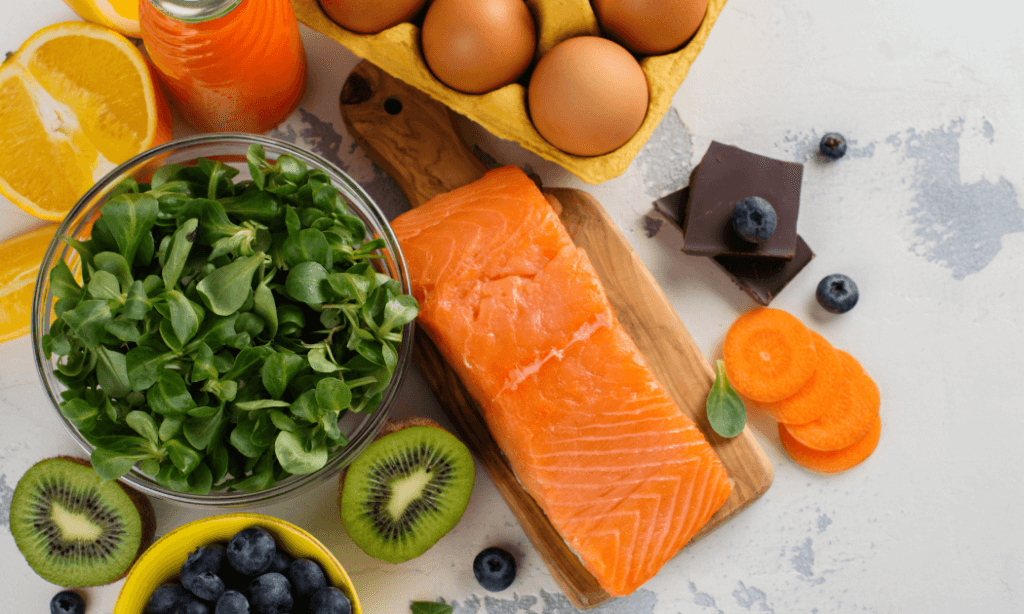
Leafy Greens and Their Benefits
Leafy greens are one of the best foods you can consume for eye health. Not only are they incredibly nutritious, but they also contain many vitamins and minerals that are essential for maintaining healthy vision. There are a variety of green leafy vegetables available, including spinach, kale, collard greens, romaine lettuce, Swiss chard, and more.
Each of these leafy greens is packed with essential nutrients such as vitamins A, C, and E, along with lutein and zeaxanthin which are beneficial for eye health. These carotenoids act as antioxidants in the eye to protect against damage from free radicals and reduce your risk of developing age-related macular degeneration and cataracts.
Eating leafy greens also provides other benefits for eye health, such as preventing inflammation and promoting better blood flow to the eyes, which can reduce puffiness and dark circles around the eyes. Adding these foods to your diet is a great way to keep your vision healthy!
Fatty Fish and Their Benefits
Fatty fish such as salmon, mackerel, herring, sardines and anchovies are quite possibly the best foods for eye health you can eat. Rich in omega-3 fatty acids, including docosahexaenoic acid (DHA) and eicosapentaenoic acid (EPA), these fish provide essential nutrients that support eye health and help reduce the risk of age-related vision decline.
These fatty acids are important for forming a healthy membrane around each cell in your eyes, including those in the lens and retina. They also help protect against dry eye syndrome and macular degeneration, two leading causes of vision loss in older adults.
Eating fatty fish several times a week can help ensure you’re getting enough of these vital nutrients for eye health. So, start adding them to your menu today!
Vitamin A Rich Foods and Their Benefits
Good eye health is essential for maintaining a good quality of life. Fortunately, there are a variety of foods that can help to keep your eyes healthy and functioning properly. Vitamin A-rich foods, in particular, are known to be beneficial for protecting your vision.
Vitamin A is an essential nutrient that helps to maintain the cornea, which is the clear layer on the outside of your eye. It also helps to create proteins that protect your eyes from diseases like night blindness and cataracts. Vitamin A-rich foods include carrots, pumpkin, sweet potatoes, spinach, kale, cantaloupe and mangoes. All of these are a great way to get the vitamin A your eyes need.
Carrots are one of the best foods for eye health, as they are packed with vitamins and minerals that can help reduce the risk of cataracts and other vision issues. Vitamin A is an especially powerful antioxidant, which helps protect the eyes from UV rays and other environmental damage.
Studies have shown that consuming carrots regularly can reduce the risk of developing cataracts, as well as reduce the risk of age-related macular degeneration. Carrots are also a great source of lutein and zeaxanthin, two other powerful antioxidants that help protect the eyes from oxidative stress. Eating carrots will not only help you maintain your vision but can also improve your overall health, making them a great addition to any diet. So, make sure you add carrots to your diet and reap the benefits that they have to offer!
Pumpkin is also an excellent source of vitamin A and other antioxidants to help improve your eyesight. It is a great addition to salads and soups, as well as smoothies and muffins. Sweet potatoes are another eye-friendly food that contain lutein, which plays an important role in maintaining the health of your eyes.
Spinach is packed with antioxidants and vitamin A, as well as folate, which is essential for maintaining eye health. Kale is also full of vitamins and minerals that can help to protect your vision, particularly lutein and zeaxanthin, which are carotenoids that can reduce the risk of cataracts.
Cantaloupe is high in vitamin A and other antioxidants like beta-carotene, which can help to protect your eyes from harmful UV rays. Mango is a great source of vitamins C, E and A, as well as zeaxanthin, all of which can be beneficial for eye health.
Eating a diet rich in vitamin A-rich foods can help to keep your eyes healthy and functioning properly. Including these foods in your daily meals is a great way to get the vitamins and minerals you need for optimal eye health.
Citrus Fruits High in Vitamin C, Antioxidants and Their Benefits
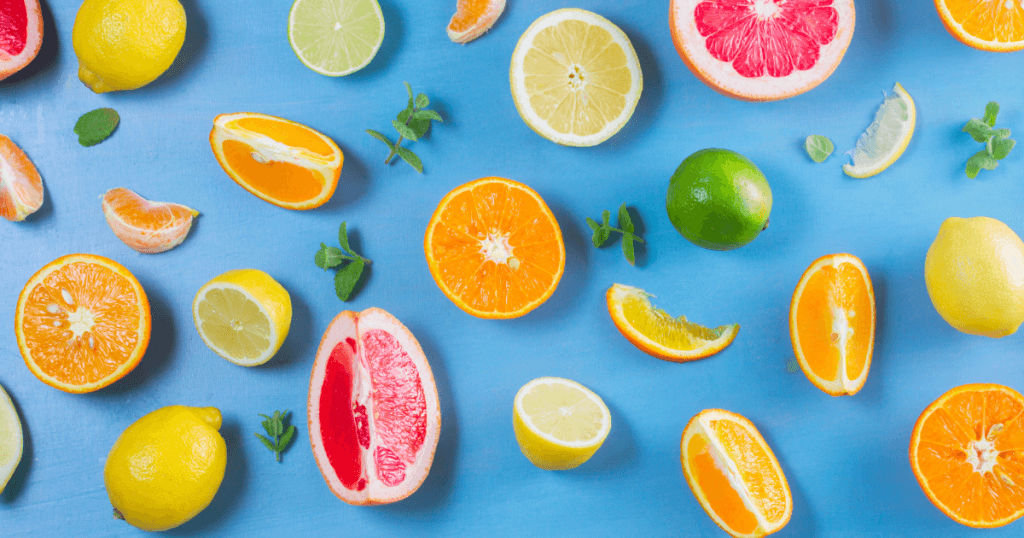
Eye health is an important part of overall wellness, and there are many foods that can help improve your vision and keep your eyes healthy. Fruits high in vitamin C are among the best foods for eye health because they contain essential vitamins, minerals and antioxidants that can protect against age-related eye conditions and slow down the deterioration of vision.
These vitamins can improve vision, reduce the risk of cataracts, and even slow the progression of macular degeneration.
These citrus fruits that are high in vitamin C also play a crucial role in helping to reduce the risk of developing serious eye diseases such as glaucoma.
Oranges, grapefruits, lemons, limes and other citrus fruits are some of the best sources of vitamin C for eye health. They contain high levels of antioxidants that can help protect against free radicals, which can damage delicate eye tissues. Vitamin C helps form a protective coating on the eyes and prevent the breakdown of collagen, which is essential for maintaining healthy vision.
Berries such as strawberries, blueberries and raspberries are also rich in vitamin C and other antioxidants that can help protect against age-related macular degeneration. Eating a handful of these fruits every day can reduce inflammation in the eyes, boost your immune system and even help improve night vision.
Kiwi fruits are another great source of vitamin C that can help protect against eye disease. Eating kiwis regularly can also promote healthy cell growth, which aids in cellular regeneration and helps keep the eyes in good condition.
Not only are all these citrus fruits a great source of essential antioxidants, but they also taste delicious too! So the next time you’re in the grocery store, pick up some oranges, grapefruits or lemons and start protecting your eyes today!
Nuts, Seeds, & Legumes with Essential Omegas 3s & 6s and Their Benefits
Nuts, seeds and legumes are essential components of a healthy diet, providing essential omegas 3s & 6s that can help protect against chronic disease. Omega fatty acids are known to promote eye health, reduce inflammation and improve the quality of life.
Nuts are a great source of omegas 3s & 6s. Almonds, walnuts, and peanuts are all excellent sources of essential fatty acids that can help keep your eyes healthy. Walnuts also contain zinc which is important for healthy vision.
Seeds such as flaxseed, pumpkin seeds, and sunflower seeds are a great source of omega-3 fatty acids as well. Flaxseed also contains lutein and zeaxanthin, which are important for eye health.
Legumes such as chickpeas, lentils, and beans provide a great source of protein and omegas 3s & 6s. They contain essential vitamins and minerals that help keep your eyes healthy.
Eating a diet rich in nuts, seeds, and legumes is an easy way to get your daily dose of essential omega fatty acids. These foods are packed with nutrients that can help keep your eyes healthy and promote overall well-being. Try adding them to your meals today!
Whole Grains to Improve Vision Functioning and Their Benefits
Good vision is essential for everyday life, and eating certain foods can help maintain or even improve vision functioning. Whole grains are among the best foods for eye health as they provide a variety of nutrients that are beneficial for the eyes.
Whole grains are packed with vitamins, minerals, proteins and complex carbohydrates that are essential for eye health. Vitamin A, zinc, and lutein are especially beneficial for eye health and can be found in whole grain foods. Vitamin A helps protect the cornea from damage caused by UV light, while zinc is essential for proper functioning of the retina – both of which help maintain good vision. Lutein helps reduce oxidative stress on the lens and macula, helping to protect against age-related vision problems.
Whole grains are also high in fiber, which helps reduce the risk of developing chronic diseases such as diabetes, heart disease and stroke – all of which can weaken eye health. Eating whole grain foods can help keep blood sugar levels stable, reducing the risk of these conditions. Additionally, fiber can help reduce cholesterol levels, which is important for reducing the risk of artery disease.
Eating whole grains can also help maintain a healthy weight, which is beneficial for eye health. Being overweight or obese increases the risk of developing conditions such as glaucoma and cataracts that can lead to vision problems. Eating foods like oatmeal, barley, quinoa, and brown rice helps provide a steady source of energy without overloading the body with excess carbohydrates.
Whole grains are among the best foods for eye health, providing essential nutrients to help maintain or even improve vision functioning. Try to include whole grain foods into your diet each day to ensure that you are getting the most out of your eye health. Your eyes will thank you!
Eggs as a Source of Lutein & Zeaxanthin and Their Benefits

Eggs are one of the best sources of lutein and zeaxanthin, two nutrients that are essential for maintaining good eye health. Lutein and zeaxanthin are carotenoids – plant pigments found in many colorful fruits and vegetables – that act as powerful antioxidants in the human body. They help protect the eyes from damage caused by ultraviolet radiation, and both have been linked to a reduced risk of age-related macular degeneration. Also, lutein has been found to improve visual acuity and contrast sensitivity.
Egg yolks are particularly rich in lutein and zeaxanthin – one large egg provides about 10% of the daily recommended intake. Therefore, eggs have been touted as a great food for eye health. Eating one or two eggs every day can help protect your eyes from damage and improve vision over time. So if you’re looking to maintain healthy eyesight, adding eggs to your diet is a smart choice!
Broccoli for Vitamins E & K and Their Benefits
Broccoli is a powerhouse vegetable, packed with vitamins E and K that are essential for good eye health. Vitamin E is an antioxidant that can help protect the eyes from the damaging effects of free radicals, while vitamin K helps to maintain healthy blood vessels in the eyes.
Eating plenty of broccoli can help ensure you get your recommended daily dose of these vitamins, as just one cup of cooked broccoli contains more than 100% of the daily recommended allowance for vitamin E and almost 200% of the daily recommendation for vitamin K. Eating broccoli can help stave off age-related macular degeneration and other vision related issues.
Additionally, broccoli is a great source of lutein and zeaxanthin, two antioxidants that can help reduce the risk of eye diseases such as cataracts. So make sure to add plenty of broccoli to your diet for optimal eye health!
Sweet Potatoes for Beta-Carotene and Their Benefits
One of the best foods for eye health is sweet potatoes, which are an excellent source of beta-carotene. Beta-carotene is a powerful antioxidant that helps protect our eyes from oxidative damage and can reduce the risk of age-related diseases such as macular degeneration.
Studies have shown that people who eat a diet high in beta-carotene have a lower risk of developing eye diseases. Sweet potatoes are also high in vitamin A, which is essential for maintaining healthy vision. Vitamin A helps to convert light into signals that travel to the brain, allowing us to see clearly and sharply.
Eating sweet potatoes can also help improve night vision as they contain a good amount of rhodopsin, a pigment which helps to absorb light in dimly lit conditions. Sweet potatoes are also rich in lutein and zeaxanthin, two carotenoids that help protect the eyes from damage caused by blue light exposure and macular degeneration.
In addition to their numerous eye-health benefits, sweet potatoes are also a great source of fiber and are low in calories, making them an excellent addition to any healthy diet. So if you’re looking for a tasty snack or side dish that will help keep your eyes healthy and bright, look no further than the humble sweet potato!
Dark Chocolate for its Polyphenols and Their Benefits

Dark chocolate is one of the best foods for eye health, thanks to its high levels of polyphenols. Polyphenols are powerful antioxidants that have been found to protect against oxidative damage, inflammation, and cell death in the eyes.
Studies have shown that these natural compounds can help protect the retina from age-related macular degeneration and glaucoma, two of the leading causes of vision loss. The polyphenols in dark chocolate also help improve blood flow to the eyes, providing essential nutrients and oxygen for eye health.
Best of all, you don’t have to worry about overindulging; just a few squares a day can make a big difference! So next time you reach for a snack, why not choose dark chocolate for its polyphenols and their benefits? Your eyes will thank you!
Water – Benefits of drinking enough water and how it can help protect your eyes
Drinking enough water is one of the most important things you can do to protect your eyes. According to the Centers for Disease Control and Prevention (CDC), adults should drink at least eight 8-ounce glasses of water per day. While this amount may vary depending on a person’s size and activity level, it is essential that you stay hydrated.
Water is an essential part of the human body, and it helps to maintain eye health by providing lubrication, flushing out unwanted waste materials and helping to keep eyesight sharp. Water can help prevent dehydration, which can lead to redness and dryness of the eyes. It is also important for proper functioning of the cornea, lens, and other parts of the eye. Additionally, water helps to keep the blood vessels that supply oxygen to the eyes healthy, which can delay age-related vision problems such as macular degeneration and cataracts.
Tips on How to Incorporate These Superfoods into Your Diet
One of the best ways to incorporate the superfoods mentioned into your diet is by adding them to smoothies. Smoothies are a great way to get an extra boost of vitamins and minerals, while also providing a delicious and nutritious snack. Start by adding in citrus fruits such as oranges, grapefruits, and lemons. These provide a great source of Vitamin C and antioxidants, which are essential for maintaining good eye health. You can also add in dark chocolate and water to your smoothie for an extra burst of polyphenols and hydration.
Another way to incorporate the superfoods mentioned into your diet is by adding them to salads. Citrus fruits such as oranges and grapefruits can be sliced up and added to salads for a delicious and nutritious addition to your meal. Dark chocolate can also be used in salads, either as crumpled up pieces or melted chips. Finally, make sure that you’re drinking enough water throughout the day! Not only will it keep you hydrated, but it can also help protect your eyes from age-related vision problems.
By incorporating these superfoods into your diet, you can give your eyes the nutrients they need to stay healthy and protected. So start adding them to your meals today and watch as your eye health improves!

How can I improve my vision in 7 days?
Improving your vision in just 7 days might seem like a tall order, but it is possible. After all, human eyesight has been known to improve with effort and natural remedies. Here are some tips to help you get started:
1. Eat a Healthy and Balanced Diet – Eating healthy foods rich in vitamins A, C and E as well as zinc can help protect eye health.
2. Exercise Regularly – Physical activity helps increase circulation throughout the body which includes the eyes!
3. Wear Sunglasses – Wearing sunglasses when outside helps protect against UVA & UVB radiation exposure every day.
4. Take Breaks from Technology Screens – Staring at screens for long periods of time is huge strain on our eyes!
5. Get Plenty Of Sleep And Rest – Lack of sleep can lead to eyestrain which increases risks of developing short sightedness (myopia) later in life.
What foods hydrate eyes?
Eating foods that are rich in water can be beneficial for the health of your eyes. Foods like celery, cucumbers, and citrus fruits are all high in water content and can help keep your eyes hydrated.
Is peanut butter good for eyes?
Absolutely! Peanut butter is a great source of zinc, which is an important mineral for eye health. Zinc helps to protect the eyes by preventing the accumulation of damaging toxins and can even help repair damage done by existing toxins. Studies have shown that consuming adequate amounts of zinc may reduce your risk for cataracts and help maintain healthy vision into old age.
Is honey healthy for eyes?
Yes, honey can be beneficial for eye health! Honey is full of essential vitamins and minerals like vitamin C, B-vitamins, magnesium, potassium and zinc. It also contains a high concentration of flavonoids – plant compounds with antioxidant properties which have been linked to several health benefits.
Studies show that regular consumption of honey can reduce the risk of many eye disease such as glaucoma, cataracts and macular degeneration.
What is a natural eye lubricant?
The first option is vegetable oils like olive oil or coconut oil. These oils are both gentle on the eyes and packed with nourishing vitamins and fatty acids which help to soothe dryness, itching, burning sensation when your eyes feel tired.
Another option is castor oil – this thick oil derived from castor beans contains ricinoleic acid which helps reduce redness while providing a soothing effect on dry irritated eyes.
Lastly, aloe vera gel or juice can also serve as an effective eye lubricant due its cooling sensation as well as its ability to restore moisture balance in the area around the eyelid margins making it perfect for those who suffer from blepharitis caused by inflammation of their eyelids.
What are the best herbs for eyes?
First of all, let’s talk about Ginkgo biloba. This amazing herb has been used for centuries in Chinese medicine as an effective treatment for numerous health issues related to the eyes, including glaucoma, poor circulation, and cataracts. Studies suggest that ginkgo may help improve vision by increasing blood flow to the optic nerve and retina and increasing the protective antioxidant activity around those areas.
Turmeric is another herb with powerful properties that have researchers raving about its potential benefits to our eyesight. It contains curcumin – a powerful antioxidant compound – which helps protect against age-related macular degeneration and night blindness caused by free radical damage in the eye’s photoreceptors.
Bilberry is another herb often used to support healthy vision because of its ability to increase circulation around capillaries located within the retina itself; this boosts nutrients going into cells located there which in turn helps them work more efficiently at providing sight clarity.
Finally, nettle leaf deserves special attention here since it is high on iron content , making it great for helping people suffering from iron deficiency anemia – a condition where insufficient oxygen reaches tissues around organs such as your eyes.
Is drinking olive oil good for eyes?
Absolutely! Studies have shown that drinking olive oil is packed with health benefits, including those for your eyes. It can help improve overall eye health, reduce eye strain and fatigue, and protect against age-related vision loss.
Olive oil contains a wealth of antioxidants that are thought to combat free radicals which can cause damage in the eyes. The components of olive oil like oleuropein, hydroxytyrosol and squalene are all believed to play a role in protecting the retina from oxidative stress.
Does turmeric help vision?
Yes, turmeric can help with vision in a variety of ways! A common folklore remedy for treating eye diseases is to regularly consume turmeric or even apply it topically near the eyes. This claim has been backed up by numerous studies which have found that curcumin, the active ingredient in turmeric, can be effective when used both internally and externally.
Closing Thoughts – The Best Way To Protect Your Eyesight!
Protecting your eyesight should be a top priority. Your eyes are some of the most sensitive organs in the body, and any damage to them can affect your vision for life. Fortunately, there are many easy steps you can take to protect your eyes and keep them healthy.
First and foremost, practice good eye hygiene by avoiding contact lenses or cosmetics that may irritate your eyes. Wear appropriate protective eyewear when engaging in activities such as sports, gardening or working with chemicals or dust. And lastly, make sure you are eating foods that are rich in nutrients to support healthy vision. Those are leafy green vegetables, eggs, fish, nuts and seeds are some of the best foods for eye health.
By taking good care of your eyes now, you will be able to ensure that your vision remains clear and healthy for years to come. Best of luck on your journey to better eye health!
Best of luck on your journey to better eye health!


