


Thank you to Lenskart for letting us share this video.
Are you worried about your vision health?
Have you ever wondered what foods are worst for your eyesight? We’ve done the research and compiled a list of 7 of the worst foods for eye health that can harm our vision. From processed meats to sugary drinks, we’ll discuss why these worst foods are bad for our eye health and how they can lead to nutritional deficiencies.
You don’t have to give up all the food you love in order to maintain good eye health. We will provide advice on which foods should be avoided, as well as alternatives that will help support healthy vision.
Read this now and learn more about the worst foods for eye health!
The worst foods for eye health and why they are bad for our vision
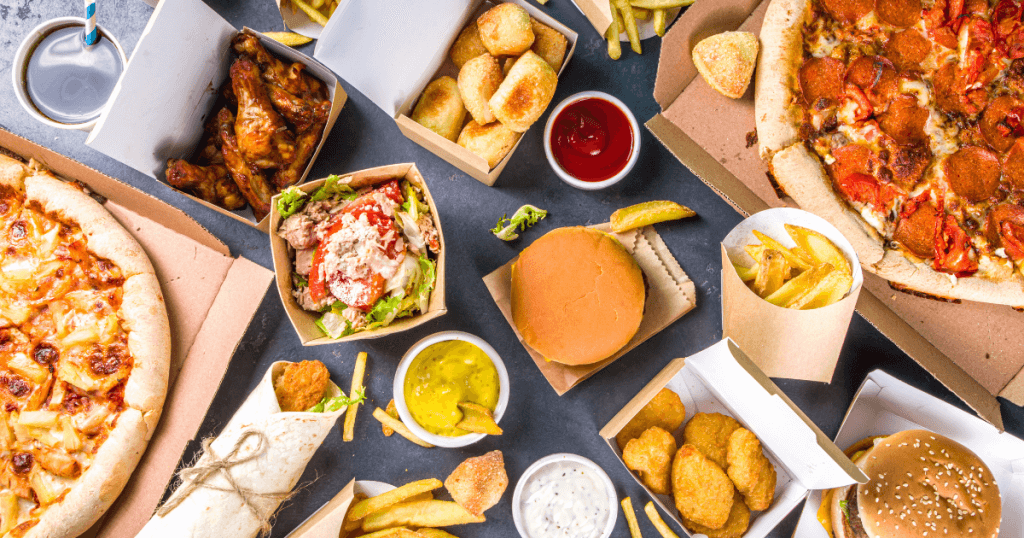
Good eye health is essential to maintaining clear vision, and what we eat can have a significant impact on our eyesight. Unfortunately, there are some worst foods for eye health that can contribute to nutritional deficiencies and impair vision over time. These worst foods include processed meats, fried or sugary snacks, artificial sweeteners, white breads and pastas, refined grains, trans fats and saturated fats.
All of these worst foods for eye health lack the necessary vitamins and minerals needed to support good vision. Eating too much of them can lead to vitamin deficiencies such as Vitamin A deficiency which has been linked with night blindness; Vitamin C deficiency which increases risk of cataracts; or B-vitamins deficiency which causes dry eyes. Therefore it is important to be aware of the worst foods for eye health in order to maintain optimal visual acuity throughout life.
How processed meats can lead to nutritional deficiencies and harm our eyesight
Processed meats such as bacon, ham, sausages, hot dogs, and salami are some of the worst foods for our eyesight. These processed meats are loaded with preservatives like nitrites and nitrates which can lead to oxidative stress in the body. Oxidative stress can damage cells in the eyes, leading to age-related macular degeneration, cataracts, and other vision issues. In addition, processed meats are usually high in saturated fat and sodium which can lead to hypertension and other cardiovascular problems that can cause damage to the blood vessels of the eyes.
Nutritionally, processed meats lack essential vitamins and minerals needed for healthy vision. They are not a good source of antioxidants, such as Vitamin A and C, which are essential for protecting the eyes from oxidative stress. They also contain no omega-3 fatty acids which can help reduce inflammation in the eyes and improve eye health.
To keep your eyes healthy, it is best to avoid processed meats altogether. Instead, opt for lean proteins such as fish, chicken and turkey which can provide essential nutrients for vision health. Vegetarian sources of protein such as beans, lentils and nuts are also healthier alternatives that can help support eye health. Eating a variety of fruits and vegetables is another great way to get the antioxidants your eyes need for good vision.
The effects of sugary drinks on eye health, including diabetes and cataracts
Sugary drinks are among the worst foods for eye health and can have serious consequences for our vision. Consuming sugary drinks on a regular basis has been linked to a number of different issues, including diabetes, cataracts, blurred vision, and more.
The main problem with sugary drinks is that they contain large amounts of empty calories and little to no nutritional value. Consuming them can lead to an imbalance in your body’s glucose levels, which can cause diabetes – a serious disease that affects the eyes. Diabetes is associated with cataracts, glaucoma, and retinopathy. It can also damage the blood vessels in the retina, leading to blurred vision and other vision problems.
To protect your eyesight, it’s best to avoid sugary drinks as much as possible or limit them to occasional treats. Instead, fill up on healthy alternatives such as water, unsweetened tea and coffee, low-fat milk, and natural fruit juices.
How refined grains can cause nutrient deficiencies that affect our vision

Refined grains are a type of worst food for eye health because they lack important dietary nutrients that are necessary for maintaining proper vision. Refined grains typically have had their germ and bran removed, which eliminates many of the beneficial vitamins, minerals, and fiber that can be found in whole grains. As a result of this process, refined grains are stripped of essential nutrients such as vitamins A, C, and E, all of which play a role in maintaining healthy vision. Additionally, refined grains lack the zinc and antioxidants that are necessary for proper eye health. This can lead to nutritional deficiencies that can harm our eyesight over time.
Therefore, it is important to limit your intake of refined grains and focus on consuming whole grains instead. Whole grains are an excellent source of dietary fiber, vitamins, minerals, and antioxidants that can help to protect our eyes from damage and keep them healthy. Additionally, whole grain foods provide a good source of energy to help maintain proper vision function.
How trans fats increase inflammation in the body which can damage the eyes
Trans Fats are one of the worst foods for eye health and can have a devastating effect on our vision. Trans fats, also known as partially hydrogenated oils, are usually found in processed food products such as cakes, biscuits, and fried foods. Consuming trans fats can lead to a number of negative health issues, including damaging eyesight.
These worst foods for eye health are particularly harmful because they can increase inflammation in the body, which can lead to damage of the eyes’ delicate structures. Trans fats have been linked to age-related macular degeneration (AMD), a leading cause of vision loss among older Americans.
It is important to be aware of trans fats in our diets and to avoid them if possible. Instead, opt for foods that are rich in omega-3 fatty acids (such as salmon or flax seeds) which have been linked to better vision health. Eating a balanced diet full of fresh fruits and vegetables is also important, as it can help ensure that your body gets the nutrients it needs to maintain healthy eyesight.
By avoiding worst foods for eye health, such as trans fats, and instead eating a diet rich in nutritious fruits and vegetables, you can help protect your vision and enjoy optimal eye health.
How fried foods can contribute to high cholesterol levels, leading to poor circulation in the eyes
Fried foods are one of the worst foods for eye health, as they can contribute to high cholesterol levels, leading to poor circulation in the eyes. Eating fried foods on a regular basis can cause an increase in unhealthy LDL cholesterol and a decrease in protective HDL cholesterol. This can lead to fatty deposits being formed on the walls of your arteries, which reduces the circulation of oxygen and nutrients in the eyes. Without proper nourishment, the cells in our eyes can’t receive adequate nutrition, leading to vision problems such as macular degeneration and glaucoma. To avoid these issues, it’s important to minimize fried foods from your diet and opt for healthier options such as grilled or baked foods.
How alcohol consumption affects eye health by causing dehydration and blurred vision

Alcoholic Beverages are one of the worst foods for eye health, as they can cause dehydration and blurred vision. Alcohol is a diuretic, meaning it has the effect of increasing urine production, leading to dehydration. Dehydration can cause blurred vision, dry eyes and irritation. Over time, alcohol consumption can also lead to problems with the retina, which can lead to retinal damage. In addition, alcohol consumption can also increase your risk for certain eye diseases and conditions such as cataracts and age-related macular degeneration.
It’s best to limit the amount of alcoholic beverages you consume in order to maintain good eye health. Drinking plenty of water and making sure you get enough sleep can also help maintain eye health. By making healthier lifestyle choices and consuming nutritious foods, you can ensure that your eyes remain healthy for years to come.
Some great alternatives to alcoholic beverages are homemade smoothies or juices made with fresh fruits and vegetables. These drinks are a good source of vitamins and minerals that will provide your eyes with nourishment and help support vision health. You can also drink plenty of water throughout the day, as it helps keep your eyes hydrated and reduces the risk of dehydration.
Which foods should be avoided, as well as alternatives that will help support healthy vision
When it comes to maintaining good eye health, one of the key components is making sure we’re eating the right foods. There are a number of worst foods for eye health that can cause nutritional deficiencies and ultimately harm our vision. Some of the worst offenders include sugary beverages, processed or deep-fried foods, white flour products, and foods high in unhealthy fats.
These worst foods can cause nutrient deficiencies that can actually reduce the amount of oxygen getting to our eyes and weaken our vision over time. Even worse, some of these worst foods contain additives or preservatives that can be damaging to eye health.
In order to maintain good eye health, it’s important to avoid these worst foods. Instead, we should focus on eating foods that support eye health, such as leafy greens, fruits and vegetables rich in antioxidants, omega-3 fatty acids, and zinc. All of these will help to protect our eyes from damage caused by free radicals or UV light exposure.
In addition to making sure you’re getting the proper nutrients for eye health, it’s also important to make sure you’re getting enough rest and drinking plenty of water. This will help keep your eyes hydrated and reduce the risk of dryness, which can lead to eye strain and fatigue.
Key points about worst foods for eye health and their effect on our vision
In summary, the worst foods for eye health can have a detrimental effect on our vision by causing nutritional deficiencies that can lead to serious problems such as macular degeneration, cataracts, and glaucoma. It is important to understand which foods are worst for our eyesight and why they are bad for us so that we can make better dietary choices to support our vision health.
To avoid the worst foods for eye health, it is important to limit processed and junk food consumption, as well as those high in fats, sugars and salt. Additionally, opt for those that are rich in vitamins like A, C, E and lutein. Include a variety of colourful fruits and vegetables, nuts and seeds, dairy products, fish and lean meats in your diet to provide the essential vitamins and minerals necessary for good eye health. By making better dietary choices and avoiding worst foods for eye health, we can help protect our vision for many years to come.
Worst Foods For Eye Health FAQ’s
What foods can make you blind?
When it comes to foods that can cause blindness, there are a few you should be aware of. The first is Vitamin A deficiency. Not getting enough vitamin A in your diet can cause a condition called xerophthalmia, which is caused by an inflammation of the cornea and eventually leads to blindness if not treated properly. Symptoms include dry eyes, night-blindness (difficulty seeing at night or in dimly lit areas), and a decrease in vision over time.
Another food that can cause blindness is high-mercury seafood such as sharks, tuna, and swordfish. Too much mercury intake over time can damage nerve cells within the eye affecting sight and may even lead to permanent loss of vision if left untreated. It’s important to limit how much high-mercury seafood you consume for this reason.
A third food that could potentially lead to blindness is eating raw honey without proper purification steps taken beforehand because honeybees might have accidentally contaminated their honey with certain types of bacteria like Clostridium botulinum the bacteria responsible for botulism poisoning. Which has been linked with deteriorating vision or even complete loss of sight when consumed by humans due lack their immune systems being unable to protect them from the toxin produced by this type of bacteria in our bodies.
To avoid consuming contaminated honey always ensure you buy pure products from reliable sources with appropriate processing done already on them before consumption!
What foods cause blurry vision?
Excessive salt intake has been linked with poor visual performance because sodium affects how fluid is distributed around our bodies including our eyes; higher sodium intakes are associated with increased risk for glaucoma and even cataracts later in life so limiting salt intakes should not be overlooked either!
Eating a nutritious diet full of vitamins C & E + omega 3 fatty acids found in fish oil will provide all the nutrients needed for good vision maintenance over time. So make sure you’re consuming plenty of fresh fruit & veggies along with lean proteins sources like eggs & Greek yogurt!
What foods cause eye floaters?
Eye floaters are a common visual phenomena caused by small particles or ‘cobwebs’ that float freely within the vitreous humour of your eyes. Although they may seem worrying, they are usually harmless and don’t pose any threat to your vision.
So what foods can cause eye floaters? Studies suggest that certain dietary choices can increase one’s risk of developing these pesky little spots in their vision, such as consuming large amounts of refined carbohydrates, trans fats, and processed sugars. When we consume too much sugar, it causes our blood sugar levels to rise rapidly and then fall drastically once all the glucose is used up as energy.
This fluctuation impacts the proteins found in our vitreous humour which play a role in maintaining healthy cells throughout the body – including those in our eyes – causing them to unravel and form clumps which appear as eye floaters.
Additionally, eating high concentrations of chemical additives like MSG have been shown to increase inflammation in sensitive individuals (including those with optic nerve damage) leading to an increased risk for both existing and new floater formations.
Do eggs affect your eyesight?
Eggs have been shown to have a number of beneficial effects on your vision. Studies suggest that lutein and zeaxanthin, two powerful antioxidants found in eggs, can help filter out harmful blue light from reaching the eyes and protect against retinal damage that may lead to age-related macular degeneration.
Eggs are also an excellent source of zinc, which helps keep the retina healthy and strengthens visual acuity. Zinc also assists Vitamin A in its role as a antioxidant for eye health; Vitamin A is important for maintaining proper night vision by producing the light sensitive pigment known as rhodopsin in the rods within our eyes.
Along with this, Vitamin B12 plays a role in preventing anemia which can contribute to sight problems such as blurred vision or poor color perception.
Is Oatmeal good for your eyes?
Eggs are a powerhouse of nutrients, with the ability to positively affect your eyesight. The yolk of an egg contains lutein and zeaxanthin, two carotenoid antioxidants that are extremely beneficial for eye health. Studies have shown that consuming enough dietary lutein and zeaxanthin can lower the risk of age-related macular degeneration (ARMD), which is one of the leading causes of blindness in individuals over 60 years old.
Is Avocado good for eyes?
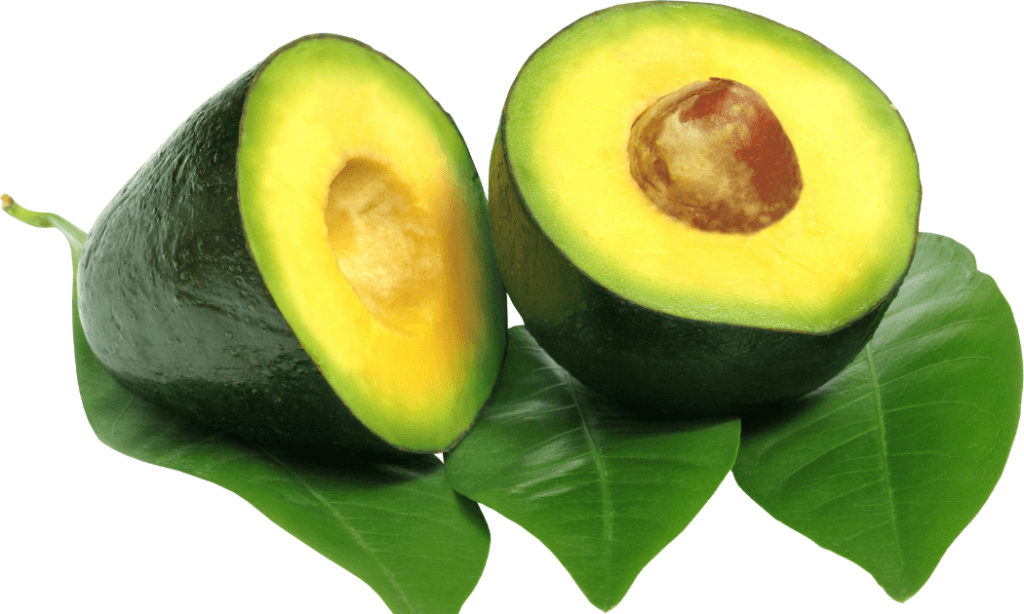
Absolutely! Avocado is a great source of carotenoids and other key nutrients that are beneficial for eye health. The high levels of lutein and zeaxanthin in avocado can help minimize the risk of developing age-related macular degeneration (AMD) while also providing protection against harsh light exposure, including blue light from screens. Additionally, avocados contain Vitamin C which helps prevent cataracts and vision loss related to aging.
Overall, adding avocado to your diet may be a great way to keep your eyes healthy over time as it contains essential vitamins and phytochemicals that promote ocular health. You can enjoy this amazing fruit in so many different ways such as on toast or salads; you can even make a delicious guacamole dip out of it with just some salt, lime juice, cilantro, onion, and tomato!
Does yogurt help eyesight?
Yes, yogurt can definitely help improve eyesight! Eating yogurt is a great way to make sure you’re getting enough of the vitamins and minerals your eyes need.
Studies have shown that regular consumption of probiotic yogurt has positive effects on vision in particular. Probiotics are live bacteria, which are beneficial for eye health because they can fight inflammation caused by environmental factors such as smog and dust.
Studies have demonstrated that these probiotics can reduce the risk of dry eye syndrome and other conditions related to poor vision health.
Additionally, some studies suggest that probiotic yogurts may even reduce the risk of more serious conditions like glaucoma and cataracts.
Yogurt is also packed with many essential nutrients for overall eye health including vitamin A, lutein & zeaxanthin (carotenoids), omega-3 fatty acids, zinc magnesium & selenium all essential for optimal visual performance. Vitamin A helps protect against night blindness while lutein & zeaxanthine support healthy macular pigment which delivers sharp central vision. Omega-3 fatty acids play an important role in preventing macular degeneration while zinc helps transport vitamin A from liver to retina.
Eating just one cup a day amounts to up to 30% of our daily recommended intake!
Final Thoughts
We hope this article has been a helpful source of information for those looking to maintain good eye health and avoid the worst foods for our vision. While it’s important to recognize what not-so-great options are out there, don’t forget that there are plenty of amazing alternatives available too.
Eating healthy is always going to be one of the best ways you can support your eyesight – so make sure you’re stocking up on fruits, vegetables, whole grains and proteins! With these simple tips in mind, you’ll have no problem keeping your eyes as sharp as ever. So go ahead – take control over your own vision health with smart food choices today and stay away from the worst foods for eye health!
Thank you for reading and keep your eyes healthy!


