



Have you ever walked out of a movie theater after catching the latest blockbuster and your eyes are on fire.
Maybe you take a quick break outside to get some fresh air, only to find yourself blinking away tears after just a few minutes. If this sounds familiar, then you may be suffering from light sensitivity. Here are 8 easy-to-implement ways to reduce light sensitivity for eyes and make life a little easier.
Wear Sunglasses
This is probably the most obvious solution but it’s also one of the most effective. Make sure you invest in a good pair that blocks both UVA and UVB rays. A wide-brimmed hat can also provide additional protection from the sun’s rays.
Wear Polarized Lenses
Polarized lenses reduce glare by filtering out horizontal light waves which can be especially helpful if you spend time outdoors during sunny days or near reflective surfaces, such as water or snow. This type of lens offers better protection than non-polarized lenses and can help reduce eye strain associated with light sensitivity.
Use Photochromic Glasses or Lenses
Photochromic lenses are designed to darken when exposed to sunlight, providing an extra layer of protection from bright lights and reducing eyestrain from prolonged periods in sunlight. These types of lenses come in both prescription and nonprescription forms, so they’re perfect for those who don’t need corrective glasses but still want an extra layer of protection from bright lights.
Use Blue Light Blocking Glasses
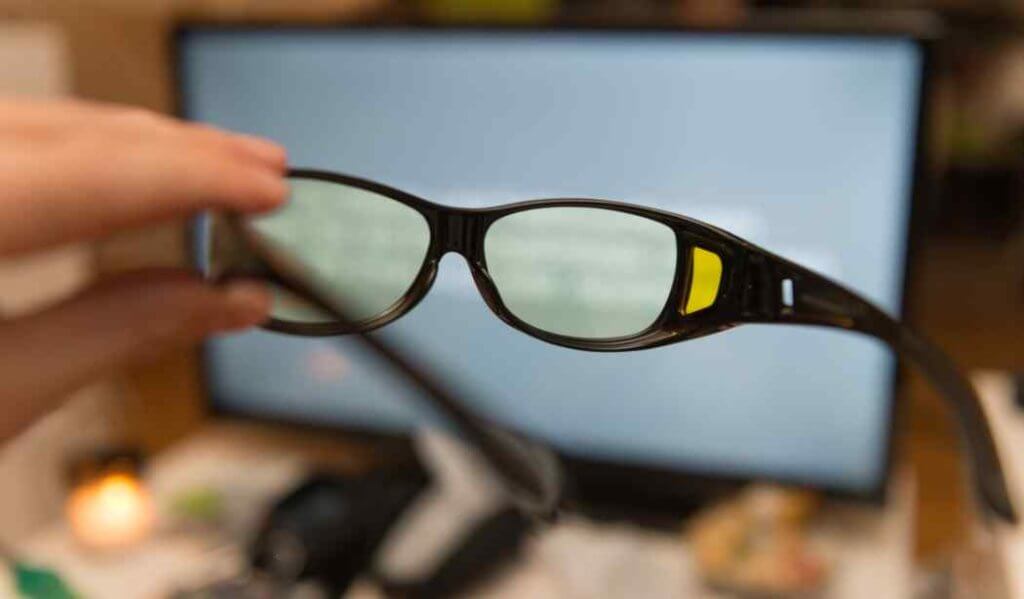
Blue light blocking glasses have become increasingly popular as people spend more time looking at screens such as smartphones and computers throughout the day. The lenses filter out blue light which helps reduce eye strain associated with long hours in front of digital screens, making them ideal for anyone who spends extended periods in front of digital devices each day.
Take Breaks From Bright Lights
Taking regular breaks throughout the day can help reduce symptoms associated with light sensitivity by giving your eyes a chance to rest and recover from exposure to bright lights, or screens for long periods of time without interruption. When taking these breaks, make sure you look away from any source of bright light or digital screen and give your eyes some time away from direct exposure before returning to work or other activities involving bright lights or screens again.
Use Eye Drops
Eye drops designed specifically for dry eyes can help relieve symptoms associated with light sensitivity such as redness and irritation caused by prolonged exposure to bright lights or digital screens without rest periods throughout the day. Eye drops should be used sparingly however since overuse can cause further irritation in already sensitive eyes.
Take Supplements
Certain supplements such as omega-3 fatty acids have been found to be beneficial for reducing symptoms associated with dry eye syndrome which is commonly linked with light sensitivity due to reduced tear production in the eyes, which leads to increased irritation from bright lights or digital screens over time without proper rest periods between exposures.
Wear Computer Glasses
Wearing computer glasses specifically designed for use with computers, laptops, tablets etc… Can help reduce eye strain caused by prolonged exposure to digital screens which is common among those who suffer from light sensitivity due to its effects on tear production leading to dryness in the eyes over time without proper rest periods.
Light Sensitivity For Eyes FAQ’s
Can light sensitivity for eyes get worse?
Yes, light sensitivity for eyes can definitely get worse over time. It may feel like sunlight and fluorescent lights are getting brighter and more painful as the years roll by.
Does light sensitivity make you tired?
Yes, light sensitivity can definitely make you feel tired. But that’s not the only symptom of this condition – far from it!
Light sensitivity for eyes also affects how well we sleep—exposure to strong lights close to bedtime (from electronic devices like phones/tablets) significantly delays melatonin production in our bodies and disrupts our circadian rhythms which have an immense influence on how much energy we feel throughout each day once we wake up from a restful nights’ sleep. That’s why people with severe light sensitivity often find themselves feeling sleepy during the day as their body is struggling against its natural rhythm when there’s too much stimulation from bright sources of lights.
What can you do about it? Pay attention to the type of lighting sources around you—are they low-intensity LEDs or compact fluorescent lamps instead of those super-bright halogen bulbs? Also try avoiding device screens close before bedtime (anti blue-light glasses are also helpful here), if possible lower down all window shades at night– this will ensure uninterrupted melatonin production during nighttime hours without any disturbances from artificial light sources outside your home/room space as well giving yourself an important break away from digital devices every once in awhile.
Does eye sensitivity go away?
Yes, eye sensitivity can go away. It depends on the cause though – some conditions may be short-lived and temporary, while others may require more persistent treatment or lifestyle changes to resolve.
Eye irritation and discomfort can be caused by a variety of environmental or medical conditions, ranging from allergies to dry eyes to glaucoma. If you’re experiencing any kind of pain or burning sensations in your eyes, it’s important to consult your optometrist or ophthalmologist as soon as possible.
Is light sensitivity permanent?
Light sensitivity, also known as photophobia, is an issue that affects many individuals. It can be temporary, short-lived, or even permanent depending on its cause.
Can light sensitivity for your eyes cause anxiety?
Absolutely! Light sensitivity, or photophobia as it’s more commonly known in medical circles, can cause a variety of physical and emotional issues. Anxiety is definitely one of them.
Light sensitivity itself is an umbrella term used to describe any type of discomfort felt when exposed to light, be it natural sunlight or artificial light. Common symptoms range from headaches and eye strain to nausea, dizziness and even feeling faint. While these physical sensations may be unpleasant on their own, they can also contribute to feelings of anxiety if left unchecked.
Do people with light sensitive eyes see better in the dark?
It really depends on the person! Some people with light sensitive eyes do in fact see better in the dark, while others may be less able to adjust to low light.
The reason why some people with light sensitive eyes can see better in the dark is because our pupils open up wide when it’s dark. This allows more light into our eye, which enables us to make out shapes and objects around us more clearly. Since those with light sensitive eyes have wider than average pupils, they benefit from this extra brightness a bit more than most people would.
How do you test light sensitivity for eyes?
Testing your light sensitivity can be a tricky thing, no two people are the same and everyone’s vision needs differ. Generally speaking, there are three main tests that most people use to determine light sensitivity in their eyes:
1) The Visual Acuity Test. This basic test measures how well you can distinguish images from a distance. With this test, you stand or sit behind an eye chart, which is covered with symbols or letters of varying sizes. Your doctor will ask you to read out the letters that appear on the chart, if your vision is blurry at certain distances, it could indicate light sensitivity issues.
2) The Slit-Lamp Exam or Ophthalmoscopy Test. During this examination, your doctor looks into each of your eyes with a specialized microscope called a slit-lamp exam (or “slit-light”). He/she uses different lenses and angles to measure eyeball size and shape as well as evaluate eye movement in order to properly assess any potential light sensitive areas near the retina or optic nerve head area.
3) The Pupil Reaction Test: This simple yet effective test requires very little physical activity by yourself! It simply involves allowing bright lights to be shined directly onto either side of each eye while looking straight ahead – thereby testing how quickly they react when exposed to sudden changes in lighting conditions (which can indicate lighter sensitivities).
Regardless of what method used for testing light sensitivity for eyes, it’s important that you talk openly with your optometrist about any concerns that you have regarding potentially sensitive areas in/around your eye.
Final Thoughts
Light sensitivity for your eyes doesn’t have to mean living life in fear of stepping into direct sunlight or spending too much time staring at computer screens, there are plenty of ways that you can protect your vision while still enjoying outdoor activities or working on digital devices throughout the day. With these 8 powerful ways to reduce light sensitivity for eyes, you will be able to make life easier while reducing annoying symptoms associated with light sensitivity like redness and irritation, no matter what activities you participate in each day.
Thank you for reading and keep those eyes good!


