


Thank you to Bright Side for letting us share this video.
Are you dealing with low vision and you want to improve your eyesight?
Well, low vision can be a difficult condition to live with, making everyday tasks like reading or driving more complicated. But it doesn’t have to be that way! With the right tips and strategies, you can improve your low vision and start living life to its fullest.
In this blog post I’m going to share 8 of the best tips to improve low vision, including exercises to improve eye health, eating healthy foods, lifestyle changes to improve vision, and using adaptive technology and tools.
So if you’re looking for ways to improve your low vision then read on. These tips will help you get back in control of your sight.
Low Vision and its Challenges
Low vision is generally divided into two categories: near vision and far vision. Near vision is the ability to focus on a close up object, while far vision is the ability to focus on an object in the distance. People with low vision often have difficulty with one or both of these categories, making everyday activities such as reading, driving, or navigating public spaces more difficult.
Low vision is a common vision impairment among seniors, but it can affect people of all ages. In addition to reducing the quality of life, low vision can also be a source of anxiety and stress. Fortunately, there are a range of strategies and tools available to improve low vision.
Exercises to Improve Eye Health
Eye exercises are a great way to improve vision and sharpen the eyes’ focus. One common exercise is to look at an object for a few seconds, then close your eyes and try to visualize it in detail. This exercise helps improve concentrative ability and focus, as well as eye-body coordination. You can also improve your eye health by doing eye-tracking exercises, such as following a pen or pencil with your eyes. This helps improve eye muscle strength and coordination.
Eye yoga is another great way to improve vision. This includes gently rolling the eyes in circles and side-to-side, and focusing on different objects at varying distances. Eye yoga can help improve depth perception, eye coordination, and the ability to focus.
Finally, it’s important to remember to take regular breaks from looking at screens. Staring at a screen for too long can cause eye fatigue and strain. Taking regular breaks will give your eyes some much-needed rest and improve vision.
By doing these exercises regularly, you can improve low vision and make everyday tasks easier. With just a few simple steps, you can improve your eye health and vision. So why not give them a try today.
Eating Healthy Foods for Improved Low Vision
Eating healthy foods is one of the best ways to improve low vision. A diet rich in dark leafy greens, fruits, and omega-3 fatty acids can improve eye health, making it easier for those with low vision to perform everyday tasks like reading or driving. Dark green leafy vegetables are packed with lutein and zeaxanthin, two antioxidant carotenoids that improve vision health. Fruits like oranges and strawberries are rich in vitamin C and beta-carotene, both of which improve night vision. Omega-3 fatty acids found in fish oil can help improve eye health and reduce inflammation. Eating a balanced diet is one of the best ways to improve low vision and maintain healthy eyes.
It’s important to stay hydrated. Drinking plenty of water helps keep your body and eyes well-hydrated, which can improve vision health. Dehydration can cause blurred vision and dryness, so be sure to get your daily recommended intake of water for optimal eye health.
Lifestyle Changes that Help Improve Low Vision
Here are 8 lifestyle changes that can improve low vision and provide relief from the hardships associated with low vision:
1. Get Enough Sleep: It is important to get at least 7-8 hours of quality sleep each night, as this can improve your vision and overall health.
2. Quit Smoking: Smoking has been linked to eye diseases that can contribute to vision loss. Quitting smoking is one of the best things you can do for your eyesight.
3. Wear Sunglasses: Wearing sunglasses helps protect your eyes from the sun’s harmful UV rays. Make sure to wear sunglasses with full coverage and UVA/UVB protection when you’re outdoors.
4. Exercise Regularly: Regular exercise can improve circulation, which is important for eye health. Exercise also helps improve overall bodily functions and improve vision by strengthening the muscles around the eyes.
5. Eat Healthy Foods: Eating a balanced diet that includes plenty of fruits and vegetables can improve your vision and overall health. Omega-3 fatty acids such as salmon, tuna, and flaxseed oil are especially important for eye health.
6. Manage Stress: High levels of stress can negatively affect vision and overall health. Try to keep stress levels in check by taking time for yourself, getting enough sleep, exercising regularly, and meditating.
7. Limit Screen Time: Spending too much time looking at screens can cause eye strain and fatigue. Make sure to take regular breaks from screens throughout the day.
8. Use Adaptive Technology and Tools: There are many tools and adaptive technologies available to help improve the lives of those with low vision. These include magnifying lenses, large-print books and documents, audio books, and screen readers.
By following these simple lifestyle changes, you can improve your vision and live a more comfortable life with low vision. Make sure to talk to your eye doctor about any changes you can make to improve your vision.
Adaptive Technology and Tools to Aid in Visual Tasks
Adaptive technology and tools can improve the lives of individuals with low vision by making everyday tasks easier. Adaptive technology refers to devices or software designed to improve a person’s ability to perform visual tasks, such as reading, writing and navigating. For those who are visually impaired or have low vision, adaptive technology can be a valuable resource in increasing independence and improving quality of life.
Assistive technology can improve reading, writing, navigation, and communication for those with low vision. Some examples are electronic magnifiers to enlarge text on a page or computer monitor, handheld video magnifiers that use cameras to enhance images, computer programs that read aloud text on a page, and digital voice recorders.
Adaptive tools can also improve navigation and safety for people with low vision. Some examples are long white canes to detect obstacles, wheelchairs equipped with reflective tape, laser pointers to improve depth perception, and telescopic glasses that allow users to see farther away.
It is important for individuals with low vision to find the right adaptive technology and tools that work best for them. A physician, vision rehabilitation therapist, or low-vision specialist can help to identify the most beneficial products for an individual’s needs. With the right tools and resources, people can improve low vision with their ability to perform everyday tasks and improve their quality of life.
Tips for Making Reading Easier with Low Vision
Low vision is a difficult condition to live with, especially when it comes to reading. Reading can become a challenge due to the loss of clarity and contrast that comes with impaired vision. Fortunately, there are some tips, strategies and adaptive technologies that can improve low vision and make reading easier.
The first tip for making reading easier with low vision is to improve your eye health. Exercise is a great way to improve the health of your eyes and improve your vision. Regularly exercising the muscles around your eyes – such as rolling them, focusing on distant objects and covering one eye while reading can help improve eye coordination and strengthen the muscles around them. Additionally, eating healthy foods like dark leafy greens, fish, eggs and nuts can improve eye health and improve vision.
The next tip is to make lifestyle changes that improve vision. This includes getting enough rest, wearing sunglasses to protect your eyes from UV rays and avoiding prolonged exposure to bright screens or lights. Additionally, reducing stress levels through relaxation techniques like yoga can also help improve vision.
Thirdly, it’s important to use adaptive technology and tools that improve low vision. Special magnifying glasses, digital screens with adjustable contrast settings, text-to-speech programs and large print fonts can all improve reading for people with low vision.
Finally, it’s important to find a comfortable lighting environment for reading. Bright overhead lights can be too harsh for people with low vision, so using indirect or natural light sources can improve reading visibility and clarity. Additionally, placing lamps on either side of the page you are reading will improve contrast and make letters and words easier to see.
Strategies for Driving with Low Vision
Living with low vision can be difficult and make everyday activities like driving more complicated. Low vision can cause difficulty with seeing details, recognizing faces, reading signs, and more. However, there are tips and strategies that can improve low vision and help those with the condition stay safe while behind the wheel.
One of the most important tips for driving with low vision is to make sure you are able to see clearly. Make an appointment with your optician to get your eyesight tested and find out what type of glasses or contact lenses will improve your vision. It’s also a good idea to get regular eye exams to check for any changes in your vision.
In addition to improving your vision, there are a few other strategies that can help improve low vision while driving. Increasing the brightness of vehicle lights and dashboards may make it easier for you to see objects and signs on the road. You should also practice safe driving habits such as avoiding distractions, controlling your speed, and scanning ahead to anticipate potential risks on the road.
Adaptive technologies can provide additional help for those with limited vision. Talk to your optician about special lenses or glasses that improve night vision, or consider investing in a GPS system that reads signs aloud while you drive. With proper preparation and the right tools, low vision doesn’t have to prevent you from driving safely and confidently.
How to Find Support Groups and Resources for People Living with Low Vision

There are many resources available to help improve your quality of life, from support groups to technology-driven tools and more. Here are 8 of the best tips for finding support groups and resources for living with low vision:
1. Ask your doctor or ophthalmologist for recommendations. They should be able to provide you with information on local support groups and resources that may be helpful in managing your condition.
2. Talk to friends and family members who may have experienced the same struggles as you, and ask them if they know of any organizations or services that could help.
3. Reach out to your local hospitals and clinics for information about support groups or resources specific to people with low vision.
4. Take advantage of technology, such as online forums and communities specifically created for those living with vision impairments.
5. Check out the Low Vision Alliance website to find a list of resources for people living with low vision.
6. Find a local organization or charity that specifically focuses on providing support to those with vision impairments, such as the Foundation Fighting Blindness.
7. Utilize community programs and services offered by your state or city government that assist those living with low vision.
8. Consider joining a low vision rehabilitation program to improve your independence and quality of life.
These are just some of the ways you can find support groups and resources for people living with low vision. With the right support, it is possible to improve your quality of life and manage your condition more effectively. Good luck!
Improve Low Vision FAQ’s
What is the lowest vision score?
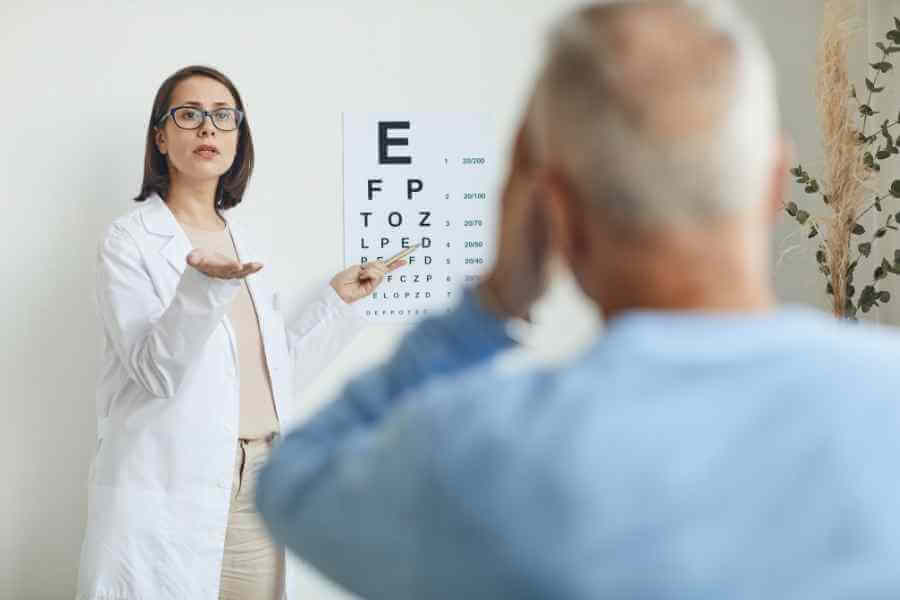
The lowest vision score is 20/200 to 20/400 is considered severe visual impairment, or severe low vision. This means that a person with this level of vision can only see at 20 feet, that someone with perfect vision would be able to see from 400 feet away. 20/500 to 20/1000 is considered profound visual impairment, or profound low vision. Less than 20/1000 is considered near-total visual impairment, or near total blindness.
It is important to note that there are degrees of visual impairment and each individual’s experience may vary greatly. For example, some individuals who have such low scores may still be able to read large print books or identify faces from close distances, while others may not even be able to detect any light.
Is low vision a disability?
Yes, low vision is a disability that impacts people ability to see normally, either due to the absence of an eye or other visual disorder.
Low vision limits an individual’s ability to participate in activities such as driving, reading books and newspapers, watching television and communicating with others. It also affects their job prospects since they may not be able to do certain task related activities as required in some professions.
Can low vision get worse?
Yes, it is possible for an individual with low vision to experience further deterioration in vision. This can be due to a number of possible causes, such as ageing, the progression of an existing eye condition or trauma.
Is low vision genetic?
The short answer to your question is: it depends. Low vision can be caused by a variety of factors, and genetics can certainly play a role.
In many cases, low vision is caused by inherited eye diseases like macular degeneration, glaucoma, and even cataracts. Most of these genetic conditions are passed down from parents to their children; however certain other illnesses or interventions may also lead to low vision in some individuals.
What causes low vision in adults?
Low vision in adults can be caused by a number of different factors, including age-related macular degeneration (AMD), an age-related disease that affects the central portion of the visual field. Diabetic retinopathy, glaucoma, cataracts, retinitis pigmentosa (RP), and other eye diseases. It can also be caused by hereditary disorders such as albinism or nystagmus. In some cases, low vision is an acquired condition that results from trauma to the eye.
Can low vision affect the brain?
Absolutely! Low vision can have a significant effect on the brain’s functioning, particularly in terms of cognitive performance. Studies have found that individuals with low vision tend to register lower scores on tasks regarding problem solving and cognition compared to their peers without low vision.
low vision can also impact mental health as well. People who suffer from low vision often experience feelings of depression, anxiety, or overall decreased quality of life due to reduced participation in certain activities they may no longer be able to do with their limited eyesight.
Final Thoughts
Living with low vision can be a difficult and frustrating experience, but there are strategies you can use to improve your quality of life. From eating healthy foods that contain essential vitamins and minerals for eye health, to participating in exercises designed specifically for improving vision, these tips should help make living with low vision easier. Additionally, using adaptive technologies such as magnifiers or special readers may also improve how well you’re able to see.
Don’t forget about lifestyle changes too; getting enough restful sleep every night and reducing stress levels all go a long way towards helping improve your eyesight. With the right combination of techniques tailored just for you, it is possible to significantly improve your low vision. We wish you the best on this journey towards better sight and improved quality of life!
Thank you for reading and good luck to improve low vision with your eyesight!


