


As people age, many of their body functions, including their eyesight, can deteriorate. For seniors, the risk of developing eye problems increases significantly, which can affect their daily activities and overall quality of life.
Fortunately, there are several ways to help seniors maintain their visual health, and one of the most promising methods is grounding. In this article, we will explore how grounding can improve vision in seniors and what steps they can take to incorporate grounding into their daily routines.
Grounding, also known as earthing, is the practice of connecting your body directly to the earth’s surface. This can be done by walking barefoot, sitting or standing on the ground, or using grounding mats or sheets that are plugged into the ground. The idea behind grounding is that the earth’s surface contains a natural electrical charge that can help to balance the electrical charge in your body.

The Science of Vision
How Vision Works
Our eyes are complex organs that allow us to perceive the world around us. Light enters the eye through the cornea, which bends it and sends it through the lens. The lens further focuses the light onto the retina, where light-sensitive cells called photoreceptors convert the light into electrical signals. These signals travel through the optic nerve to the brain, which processes the information and creates the images we see.
Age-Related Vision Changes
As we age, our eyes undergo several changes that can impact vision. These changes include a decrease in the number of photoreceptors, a significant reduction in the elasticity of the lens, and a decline in the overall health of the eye. These factors contribute to common age-related vision issues such as presbyopia, cataracts, glaucoma, and age-related macular degeneration.
The Benefits of Grounding for Vision
Grounding has been found to provide various health benefits, some of which can positively impact and grounding can improve vision in seniors. These benefits include:
Grounding and Inflammation Reduction
This connection is believed to have a variety of health benefits, including reducing chronic inflammation and improving overall well-being. One area that grounding may impact is vision, primarily through its potential effect on inflammation reduction.
Inflammation is an immune response the system in response that can cause swelling, redness, and pain. It is a normal part of the body’s defense mechanism against injury and the immune system in response to infection. However, when inflammation becomes chronic or excessive, it can contribute to various health issues, including vision problems.
Several vision-related conditions are associated with inflammation, such as autoimmune diseases such as:
- Age-related macular degeneration (AMD): Inflammation is believed to play a role in the development and progression of AMD, which is a leading cause of vision loss in older adults.
- Diabetic retinopathy: Chronic inflammation can cause damage to the blood vessels in the retina, leading to vision loss in people with diabetes.
- Uveitis: This is an inflammatory condition affecting the middle layer of the eye, which can cause pain, redness, and vision problems.
- Dry eye syndrome: Inflammation can contribute to the development of dry eye syndrome, a common condition that causes irritation and vision problems.
Grounding has been suggested to reduce inflammation by neutralizing free radicals in the body. Free radicals are unstable molecules that can cause oxidative stress and damage to cells, including those in the eyes and nervous systems.
When the body and immune system are grounded, it is believed to absorb electrons from the Earth’s surface, which can neutralize these free radicals and reduce inflammation.
While there is some evidence supporting the potential benefits of grounding on inflammation, more research is needed to confirm its efficacy, specifically in relation to vision improvement.
It is essential to consult with a healthcare professional before starting any new health practice, including grounding, to ensure it is safe and appropriate for your individual needs.
In addition to grounding healthy tissue, maintaining a healthy lifestyle, including regular exercise, a balanced diet, and proper eye care, can also help promote good vision and overall eye health.
Enhanced Circulation
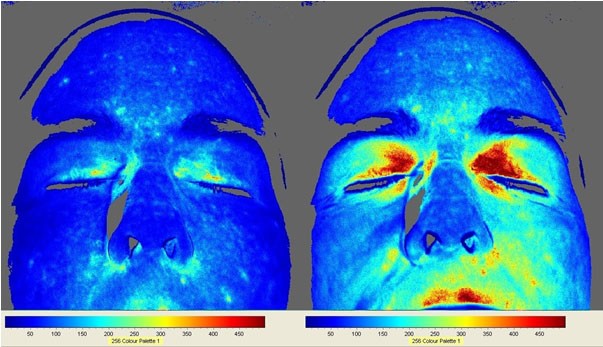
Grounding, or earthing, has been proposed as a way to improve vision through enhanced blood circulation. By connecting the human body directly to the Earth’s surface, grounding is thought to have various health benefits, including improved blood flow and circulation. Improved circulation could potentially contribute to better vision and overall eye health. Here’s how:
- Nutrient delivery: Good circulation ensures that essential nutrients and oxygen are efficiently delivered to the cells throughout the body, including those in the eyes. Proper nutrient delivery can support the overall health and function of the eyes, which can contribute to better vision.
- Waste removal: Efficient circulation also aids in the removal of waste products and toxins from the cells. This process is particularly important in the eyes, as a buildup of waste products can lead to vision problems and eye diseases.
- Vascular health: Grounding has been suggested to improve vascular health by reducing blood viscosity, which can improve blood flow. A healthy vascular system is essential for maintaining good vision, as it supports the blood vessels in the retina and the optic nerve.
- Reduced inflammation: As previously mentioned, grounding may help reduce inflammation by neutralizing free radicals in the body. Inflammation can impair blood flow and contribute to vision problems, so reducing inflammation through grounding may lead to improved circulation and better vision.
While the idea of grounding and electrical potential in improving vision through enhanced circulation is intriguing, it is important to note that at present moment, scientific research on the health implications of this topic is limited. More studies are needed to confirm the effectiveness of grounding in the body systems improving circulation and its impact on vision.
In addition to grounding, other factors that can improve circulation and promote better vision include a healthy lifestyle, regular exercise, proper hydration, and a balanced diet rich in antioxidants and essential nutrients for eye health. Consult with a healthcare professional before starting any new health practices to ensure they are safe and suitable for your individual needs.

Reduced Stress and Anxiety
Grounding is believed to have benefits such as reduced stress and anxiety. Stress and anxiety are known to impact overall health, and they can also have negative effects on vision. The idea that grounding can improve vision by reducing chronic diseases, chronic stress, and anxiety is based on the following concepts:
- Relaxation response: Grounding may induce a relaxation response in the body, helping to alleviate stress and anxiety. This relaxation response is associated with a reduction in cortisol levels, which is the primary stress hormone. High levels of cortisol can negatively affect various aspects of health, including vision.
- Improved sleep: Grounding has been suggested to improve sleep quality by regulating the sleep-wake cycle and promoting relaxation. Adequate, restful sleep is essential for maintaining good vision and overall eye health, as it allows the eyes to repair and recover from daily strain.
- Reduced muscle tension: Stress and anxiety can lead to increased muscle tension, including the muscles surrounding the eyes. Grounding may help reduce muscle tension and promote relaxation, which could potentially alleviate eye strain and improve vision.
- Impact on the autonomic nervous system: Grounding has been proposed to have a positive effect on the autonomic nervous system, which plays a role in regulating various physiological processes, including blood flow and pupil dilation. A well-regulated autonomic nervous system may contribute to better vision.
In addition to grounding, other stress-reduction techniques, such as deep breathing exercises, meditation, and yoga, can also contribute to better vision by reducing cortisol levels and reducing stress hormones to promote relaxation and overall well-being. Maintaining a healthy lifestyle, including regular exercise, a balanced diet, and proper eye care, can further down stress hormones and support good vision and eye health.
Grounding Techniques for Seniors
Grounding techniques can be helpful for seniors to reduce pain levels and stress levels, improve overall well-being, and potentially promote better vision and health.
These techniques are designed to help individuals connect with the Earth’s surface and experience the potential benefits of grounding.
Here are some simple grounding techniques that seniors can incorporate into their daily routines:
Walking Barefoot Outdoors
- Walking barefoot outdoors: Encourage seniors to walk barefoot on natural surfaces, such as grass, sand, or soil, for at least 30 minutes a day. This can help them connect with the Earth and reap the benefits of grounding. Make sure the area is safe, free of hazards, and comfortable for walking.
- Sitting or lying down outside: Seniors can also enjoy grounding by sitting or lying down on a natural surface, like grass or sand, with their bare skin in direct contact with the Earth. They can read, meditate, or simply relax while experiencing the grounding benefits.
- Gardening: Gardening can be a great grounding activity for seniors. Encourage them to use their hands to dig in the soil and plant seeds or tend to their garden while barefoot. This will allow them to connect with the Earth while engaging in a rewarding and therapeutic activity.
- Grounding mats or sheets: If walking barefoot outdoors is not feasible for seniors due to mobility issues or unsafe terrain, they can use grounding mats or sheets indoors. These devices are designed to mimic the Earth’s natural electrical charge and can be used while sitting, lying down, or sleeping. Always follow the manufacturer’s instructions for proper use.
- Yoga or gentle stretching outdoors: Practicing yoga or gentle stretching exercises on a natural surface, like grass or sand, can help seniors experience the benefits of grounding while also promoting flexibility and relaxation.
- Deep breathing exercises: Seniors can enhance their grounding experience by incorporating deep breathing exercises while walking barefoot, sitting, or lying down outdoors. Deep breathing can help increase relaxation, reduce stress, and improve overall well-being.

Using Grounding Mats
For seniors who have limited mobility or find it difficult to go outdoors, using grounding mats can be an effective way to experience the benefits of grounding indoors. Here’s how seniors can incorporate grounding mats into their daily routine:
- Choose a grounding mat: Purchase a high-quality grounding mat designed specifically for indoor use. These mats are designed to mimic the Earth’s natural electrical charge and can be connected to a grounded outlet or grounding rod. Make sure to read and follow the manufacturer’s instructions for proper use and maintenance.
- Placement: Place the grounding mat in an area where the senior spends a significant amount of time, such as under their desk, on their favorite chair, or on the floor next to their bed. This will ensure that they can easily access the mat and incorporate grounding into their daily routine.
- Bare skin contact: Encourage the senior to make direct contact with the grounding mat using their bare skin. This can be achieved by placing their feet or hands on the mat, sitting on it, or even lying down on a larger mat. The goal is to establish a connection between the body and the grounding mat to experience the benefits of grounding.
- Duration: Ideally, the senior should aim for at least 30 minutes of grounding per day, but they can gradually increase the duration over time as they become more comfortable with the practice. They can use the grounding mat while watching TV, reading, working on a computer, or resting.
- Incorporate relaxation techniques: Seniors can enhance their grounding experience by incorporating relaxation techniques, such as deep breathing exercises or meditation while using the grounding mat. This can help to further reduce stress and promote overall well-being.
- Regular cleaning and maintenance: To ensure the effectiveness and longevity of the grounding mat, follow the manufacturer’s instructions for cleaning and maintenance. This may include wiping the mat with a damp cloth or washing it as needed.
Make sure to follow the manufacturer’s guidelines for the proper use and care of the grounding mat.

Grounding While Sleeping
One effective way for seniors to experience the benefits of grounding is by grounding themselves while sleeping. This can be achieved by using grounding sheets, pillowcases, or mattress pads. Here’s how seniors can incorporate grounding into their sleep routine:
- Choose grounding sleep products: Purchase high-quality grounding sheets, pillowcases, or mattress pads designed specifically for grounding during sleep. These products are made with conductive materials, such as silver or carbon fibers, that help connect the body to the Earth’s natural electrical charge. Make sure to read and follow the manufacturer’s instructions for proper use and maintenance.
- Set up the grounding sleep products: Set up the grounding sheets, pillowcases, or mattress pads on the senior’s bed according to the manufacturer’s instructions. This may involve connecting the product to a grounded outlet or grounding rod to ensure proper grounding.
- Sleep with bare skin contact: Encourage the senior to sleep with their bare skin in direct contact with the grounding sleep product. This can be achieved by sleeping directly on the grounding sheet or pillowcase, or by using a grounding mattress pad under the fitted sheet. The goal is to establish a connection between the body and the grounding sleep product to experience the benefits of grounding.
- Duration: Ideally, the senior should aim for a full night’s sleep (7-9 hours) with the grounding sleep product to maximize the potential benefits. Grounding while sleeping can help improve sleep quality, reduce stress, and promote overall well-being.
- Regular cleaning and maintenance: To ensure the effectiveness and longevity of the grounding sleep products, follow the manufacturer’s instructions for cleaning and maintenance. This may include washing the grounding sheets or pillowcases regularly and cleaning the grounding mattress pad as needed.
Make sure to follow the manufacturer’s guidelines for the proper use and care of the grounding sleep products.

Precautions and Recommendations
Before incorporating grounding into their routine, seniors should consider the following precautions and recommendations:
Consulting a Healthcare Professional
Seniors with pre-existing health conditions or concerns should consult their healthcare professional before starting any grounding practice. This ensures that the practice is safe and appropriate for their specific needs.
Safety Considerations
When grounding outdoors, seniors should avoid areas with potential hazards, such as rocky or uneven terrain and cold water, and be mindful of any nearby electrical equipment or wires. When using grounding products, always follow the manufacturer’s instructions and ensure the products are properly connected to a grounded outlet or a grounding wire or rod.
The benefits of grounding for seniors
Seniors, in particular, may find grounding helpful for several reasons:
- Reduced inflammation: Grounding is suggested to help reduce inflammation by neutralizing free radicals in the body. Inflammation is associated with various age-related health issues, including arthritis, heart disease, and age-related macular degeneration. Reducing inflammation may help alleviate pain, improve mobility, and promote overall health in seniors.
- Improved sleep: Grounding has been associated with better sleep quality and the regulation of the sleep-wake cycle. As seniors often experience sleep disturbances, grounding may help improve their sleep quality and, in turn, contribute to better overall health and well-being.
- Reduced stress and anxiety: Grounding is believed to induce a relaxation response, which can help alleviate stress and anxiety. Lower stress levels may contribute to better mental health, improved immune function, and a reduced risk of stress-related health issues.
- Enhanced circulation: Grounding is thought to improve circulation by reducing blood viscosity and promoting vascular health. Improved circulation can benefit seniors by ensuring efficient nutrient delivery, waste removal, and oxygen supply to the body, including the eyes and brain.
- Pain relief: Grounding may help alleviate chronic pain by reducing inflammation and promoting relaxation. Seniors suffering from chronic pain conditions, such as arthritis or fibromyalgia, may find grounding beneficial for managing their pain.
- Faster wound healing: Some studies suggest that grounding may help accelerate wound healing by reducing inflammation and improving circulation. Seniors, who often experience slower healing due to age-related factors, may benefit from grounding in this regard.
- Increased energy and vitality: Grounding is believed to help balance the body’s natural electrical charge, which may contribute to increased energy levels and overall vitality. Seniors may find grounding beneficial for boosting their energy and improving their quality of life.
Other tips for maintaining good vision in seniors
In addition to grounding, these are in addition to the grounding exercises, there are other things seniors can do to improve balance and maintain good vision:
Regular eye exams
Regular eye exams are important for catching eye problems early and preventing further damage. Seniors should have their eyes checked at least once a year, or more often if they have a history of eye disease or other health conditions.
Eating a healthy diet
Eating a healthy diet can help to protect the eyes from age-related damage. Seniors should eat a variety of fruits and vegetables, whole grains, lean protein, and healthy fats. Foods that are high in natural antioxidants, such as blueberries, spinach, and salmon, can be especially beneficial for the eyes.
Protecting your eyes from UV rays and blue light
UV rays and blue light can cause damage to the eyes over time. Seniors should wear sunglasses that block UV rays and blue light when they are outside during the day. They can also use blue light-blocking glasses or screen protectors when using electronic devices.
Final Thoughts
Maintaining a good vision is important for seniors to stay active and independent. Grounding is a simple and effective way to improve visual health by using stress hormones to reduce inflammation and oxidative stress, increase blood flow and circulation, improve sleep quality, and boost melatonin production. Seniors can also maintain good vision by getting regular eye exams, eating a healthy diet, and protecting their eyes from UV rays and blue light.
FAQs – How Grounding Can Improve Vision in Seniors
How long does it take to see the benefits of grounding?
The benefits of grounding can vary from person to person, but some people may notice improvements in sleep, pain, and mood within a few days of starting grounding.
Can grounding cure eye diseases?
Grounding cannot cure eye diseases, but it can help to keep pain levels and reduce inflammation and oxidative stress in the eyes, which may help to slow the progression of age-related eye diseases.
Can grounding replace traditional vision treatments or therapies?
No, grounding should not replace any prescribed treatments or therapies for vision problems. It should be considered a complementary practice to support overall eye health.
How long does it take to see improvements in vision after starting grounding?
The timeframe for experiencing improvements in vision can vary from person to person. Some individuals may notice benefits within a few weeks, or a few moments, while others may take several months or longer to observe noticeable changes in blurry vision.
Are there any side effects or risks associated with grounding?
Grounding is generally considered safe for most individuals. However, if you have a pre-existing health condition or are using electrical medical devices, consult your healthcare professional before starting grounding.
Can grounding help with other age-related health issues?
Yes, grounding has been linked to various health benefits, such as improved sleep, reduced pain, and increased energy levels, a few moments which can contribute to overall well-being in seniors.
Thank you for reading and take the next step that grounding can improve vision in seniors.


