


Diabetic Retinopathy is a common complication of diabetes that can lead to vision loss!
It occurs when high blood sugar levels damage the small blood vessels in the retina, leading to swelling and leaky vessels. If you or someone you know has diabetes, it’s important to be aware of diabetic retinopathy and take steps to prevent its onset or slow its progression.
In this blog post, we will discuss best 6 strategies for tackling diabetic retinopathy – from controlling your blood sugar levels to lifestyle changes and more. All aimed at preserving your vision and preventing further complications. So if you want to keep your eyes healthy, read on!
How Diabetic Retinopathy is caused by high blood sugar levels
High blood sugar levels can cause damage to the small vessels in the retina, leading to this eye disease. The condition can cause swelling of the retina and leaking of these blood vessels which can impair vision. Usually occurs gradually over time and is more common in people with long-term uncontrolled diabetes.
It is important for people with diabetes to closely monitor their blood sugar levels and practice regular eye exams in order to help detect diabetic retinopathy early.
Importance of controlling your blood sugar levels to prevent Diabetic Retinopathy
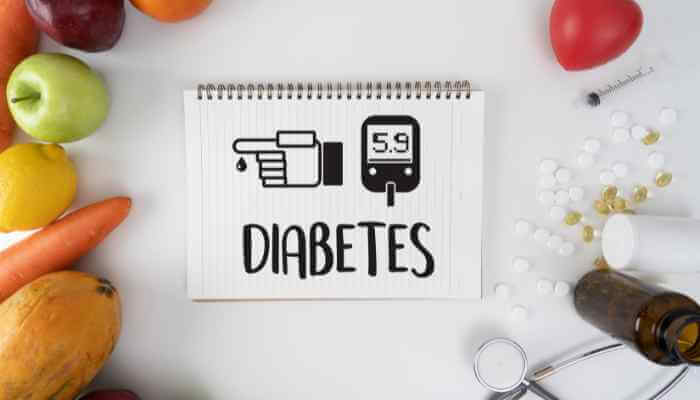
Controlling your blood sugar levels is essential for preventing this terrible eye disease. It is important to keep your blood sugar levels under control. This means maintaining diet and exercise habits that help you maintain a healthy weight and lifestyle, as well as taking medication if prescribed by your doctor. It is also important to monitor your blood sugar levels on a regular basis using a blood glucose meter, and to inform your doctor when numbers are high. Taking these steps can significantly reduce the risk of diabetic retinopathy and preserve your vision.
In addition to controlling your blood sugar levels, it is also important to have regular eye exams. This eye disease often goes undetected until it has already caused significant damage, so it is important to have your eyes examined on a regular basis. During these exams, your eye doctor will be able to detect diabetic retinopathy early and take the necessary steps to preserve your vision.
Lifestyle changes that can help reduce the risk of Diabetic Retinopathy
There are a variety of lifestyle changes that can help reduce the risk and slow its progression.
Some lifestyle changes that can help reduce the risk of getting include:
1) Eating a Healthy Diet: A balanced diet with whole foods, low in sugar and simple carbohydrates, can help manage blood sugar levels and keep them within target ranges. Foods high in fiber, protein, healthy fats, vitamins and minerals are recommended.
2) Regular Physical Activity: Exercise can help improve insulin sensitivity and control sugar levels, as well as reduce stress. Aim for at least 30 minutes of moderate exercise per day, five times a week.
3) Limiting Alcohol Intake: Too much alcohol is dangerous to your health in general, and can be especially risky for diabetic retinopathy.
4) Quitting Smoking: Smoking increases the risk of the condition, as well as other serious health problems. Quitting smoking can help reduce that risk and improve overall health.
By making changes to diet and lifestyle, diabetics can reduce the risk of the condition and preserve vision.
Medications available to reduce swelling in the eyes caused by diabetic retinopathy
Medications can be an effective way to reduce swelling in the eyes caused by diabetic retinopathy. Is a potential complication of diabetes that can cause damage to the small blood vessels in the retina, leading to vision loss. As such, early diagnosis and treatment are key to preserving vision. Medication is one of the ways to help control the condition and reduce the risk of further complications.
Common medications prescribed by doctors to treat the condition include steroid injections and anti-VEGF drugs. These medications can help reduce inflammation in the eyes, prevent new blood vessels from forming, and slow down progression. Diabetic patients should be sure to discuss any medication options with their doctor before starting any type of treatment.
It is also important to note that diabetic retinopathy can be managed through lifestyle changes and the use of medications alone may not always be sufficient.
Laser treatments that can be used for treating Diabetic Retinopathy
Laser treatments are an effective way of treating this condition. Laser treatment, also known as photocoagulation, is used to reduce the risk of vision loss from diabetic retinopathy. The procedure involves delivering a focused beam of light to the affected areas of the retina. This light helps seal off the leaking blood vessels and prevents further damage to the retina. It also reduces the risk of this rare progressing condition.
Laser treatment is safe, and there are minimal side effects associated with it. However, this procedure is not suitable for everyone, so it’s best to discuss your options with a doctor first.
Prevention Strategies for Diabetics at Risk of Developing Diabetic Retinopathy
This strategies people with diabetes can employ to reduce their chance of developing diabetic retinopathy and help preserve their vision.
The first strategy for diabetics is to monitor and control blood sugar levels. Diabetics should closely follow the guidelines of their doctor when it comes to maintaining healthy blood sugar levels. This may involve regular monitoring, diet changes, and/or medications in order to achieve the desired result.
Regular eye exams are also important for diabetics in order to monitor diabetic retinopathy. These examinations should be done every year or two, even if there are no current symptoms. During these visits, an ophthalmologist can detect any early signs, and take steps to treat and prevent further damage.
Lifestyle changes such as limiting alcohol and quitting smoking can also be beneficial for diabetics at risk of diabetic retinopathy. These lifestyle changes can help reduce the strain on the blood vessels in the eyes, thus reducing the chances of developing the rare condition.
FAQ’s For Diabetic Retinopathy
What is the earliest stage of diabetic retinopathy?
The earliest stage of diabetic retinopathy is known as mild non-proliferative diabetic retinopathy (NPDR). This early stage can cause microaneurysms, generalized retinal nerve fiber layer thinning, soft exudates, and intraretinal hemorrhage.
At this point the patient often doesn’t experience any symptoms or vision loss because the damage is small and confined to just a few blood vessels. However, it still requires medical attention to prevent further progression of the disease.
Some of the most effective treatments for NPDR are lifestyle modification (including diet changes) and glycemic control through improved blood sugar management. So if you have diabetes it’s important to stay on top of your numbers! That way you can nip any potential problems in the bud before they become bigger issues down the line.
What are the warning signs of diabetic retinopathy?

Diabetes can be a very tricky condition to manage, and it’s important to be aware of the warning signs. Unfortunately, many times these warnings are overlooked due to them not being visible right away. Here’s a quick breakdown:
1. Blurred vision.
2. Fluctuations in Vision.
3. Seeing Spots or Floaters in your vision.
4. Painless Blindness.
5. Vision Loss.
6. Dark or empty areas in your vision.
Who is at the highest risk for diabetic retinopathy?
While anyone with diabetes is at risk of developing diabetic retinopathy, there are certain factors that can increase one’s risk. People over the age of 40, pregnant women, individuals with poorly controlled blood sugar levels (due to an inability to access or adhere to treatments) and people who have had diabetes for longer than 20 years are all more likely to develop this eye condition.
In addition, research shows that ethnic minorities may also be at a higher risk. African Americans and Hispanics experience greater rates of DR when compared with non-Hispanic Whites. This suggests that systemic healthcare disparities could be contributing factors in the development of DR among certain groups.
It’s important for everyone managing diabetes to speak regularly with their healthcare provider about potential interventions and treatments from lifestyle changes and dietary adjustments to frequent retina screenings as early identification is key for controlling any potential vision loss.
What age does diabetes retinopathy start?
Diabetes retinopathy can start at any age, but it’s most commonly seen in people with type 1 or type 2 diabetes who are 40 and older, they have a higher prevalence and more severe grades of diabetic retinopathy, than those diagnosed later. This is likely due to the fact that this condition occurs as a result of prolonged exposure to elevated blood sugar levels which, in many cases, take years for that damage to accumulate.
It’s important to note though, that if left untreated or poorly managed, diabetes retinopathy can occur even earlier in life. That’s why regular monitoring for those who have been diagnosed with diabetes (especially at youth) is so critically important, early detection and proper treatment can help reduce the risk of long-term vision problems associated with this condition.
What are the four stages of diabetic retinopathy?
The four stages of diabetic retinopathy are:
1) Mild Nonproliferative Retinopathy (MNR): During this stage, small areas of balloon-like swelling occur in the tiny blood vessels on the retina’s surface. This might cause mild vision changes and lead to some leaking from these damaged vessels into nearby areas of your eye.
2) Moderate Nonproliferative Retinopathy (MNR): At this point, many more areas will show leakage from these swollen vessels, including growths called “exudates.” MNR often causes moderate vision changes as well as blurred or distorted vision known as “metamorphopsia”.
3) Severe Nonproliferative Retinopathy (SNR): With SNR, more damage to smaller retinal veins occurs causing a decrease in oxygen flow to several areas within the eye. Your doctor may see signs that look like cotton wool spotting on your retina’s surface during this stage which often leads to serious visual distortions or permanent loss if untreated.
4) Proliferative Diabetic Retinopathy (PDR): PDR is marked by weakened blood vessel walls which then become blocked by new formation of abnormal vessels called neo-vascularization,” which then quickly die off due to lack of oxygen flow from severely damaged veins and arteries deep within your eye tissue.
Leading eventually towards scarring and detachment from the internal wall structure inside your eyes, potentially resulting in full or partial blindness without timely intervention. So early detection and treatment for PDR is critical for prevention against blindness.
How does retinopathy affect daily life?
Retinopathy can have a major impact on daily life depending on the severity of the condition. At its mildest, retinopathy may cause minor vision difficulty with tasks like reading small print or recognizing colors. In more extreme cases, it can lead to blindness which can affect a person’s ability to drive, especially at night. Take part in activities requiring visual acuity such as sports, or even navigate a building safely.
But it isn’t all doom and gloom. Many people living with retinopathy do their best to maintain independent living by investing in low-vision aids like magnifiers and night-vision glasses. These tools help bridge the gap between impaired eyesight and regular vision. And with advancements in medical technology and research being made every day they are helping people facing vision impairment get back to doing what they love.
What foods are good for retinopathy?
Eating a diet that is rich in eye-healthy vitamins and minerals can help reduce the risk of developing retinopathy or slow its progression. To keep your eyes healthy, prioritize dark leafy greens such as spinach, kale, and collard greens as they are full of powerful antioxidants like lutein and zeaxanthin which help protect against free radical damage to cells in the eyes.
They also provide essential nutrients like zinc, vitamin A, and omega-3 fatty acids which may play a role in reducing inflammation.
Fruits such as oranges, grapefruits, kiwis and papayas are also beneficial for retinopathy because they contain high amounts of Vitamin C, which has been linked to preventing age-related vision impairment, and bioflavonoids which can improve circulation within the tiny capillaries that feed our retina.
Salmon is another excellent choice for those looking to lower their risk of retinopathy due to its high content of Omega 3 Fatty Acids EPA & DHA, these fats have been proven to lessen inflammatory responses from stressors common within diabetes patients who suffer from all stages of retinopathy.
So while there’s no miracle food when it comes to treating retinopathy or promoting better eye health overall (that’s why we always recommend consulting with your doctor first!), there’s certainly cause enough for optimism! Eating certain foods in combination with regular checkups could definitely help you on your way towards protecting yourself against unwanted complications caused by this condition.
Final Thoughts
Diabetic Retinopathy is a serious eye condition that can have significant impacts on your daily life, lead to blindness if not treated properly. Thankfully, there are strategies and lifestyle changes we can make to help preserve our vision and reduce the risk of diabetic retinopathy.
Eating foods high in antioxidants, vitamins, minerals, omega-3 fatty acids and other nutrients will boost your overall health as well as protect against DR. Additionally, regular check-ups with your doctor are essential for monitoring any potential symptoms or signs of this disease.
Thank you for reading and taking the necessary steps now may save you from future complications down the road!


