


Astigmatism is a refractive error in the eye that affects the way light is focused. It can cause blurred vision, eye strain, headaches, and other discomforts. While it can’t be corrected with prescription eyeglasses alone, contact lenses, or eye surgery itself, there are also natural remedies that may help alleviate the symptoms. In this article, we will discuss six amazing natural remedies for astigmatism that you need to try.
What is Astigmatism?
Astigmatism is a common eye condition in which the eyes’ lenses are not evenly curved, causing distorted vision. The condition can be corrected with eyeglasses or corrective lenses, but in rare cases, some people who treat astigmatism choose to use natural remedies.
Some of the most popular natural remedies for astigmatism include using a soft cloth over the affected eye at night to reduce surface tension and improve the elasticity of the skin, applying warm olive oil to the area around the eyes every day, taking vitamins, vitamin C, and vitamin E, and using a topical eye strain reliever such as Restasis.

Types of Astigmatism
There are many types of astigmatism, but one direction the most common is called accommodative astigmatism. This means that the cornea (the clear front part of your eye) in poor vision is not in perfect shape, so when you look at an object close up, it appears blurry. If you have this type of astigmatism, all sorts of things can make the blurry vision problem even worse, like wearing glasses or contacts that are too strong.
Some people are born with a specific type of astigmatism called keratoconus. This is a condition where the cornea becomes very thin and starts to curve inward. It can cause vision problems, especially if left untreated.
- Corneal astigmatism: This is the most common type of astigmatism and occurs when the cornea (the clear front surface of the eye) is irregularly shaped. It can be further classified as with-the-rule astigmatism (where the cornea is more curved vertically than horizontally) or against-the-rule astigmatism (where the cornea is more curved horizontally than vertically).
- Lenticular astigmatism: This type of astigmatism occurs when the lens inside the eye is irregularly shaped. It is less common than corneal astigmatism and may occur in conjunction with it.
- Mixed astigmatism: This occurs when both the cornea and lens are irregularly shaped, causing light to focus unevenly on the retina.
Symptoms of Astigmatism
Some other common symptoms of astigmatism include:
- Blurred vision
- Headaches
- Eye strain
- Squinting
- Difficulty seeing at night
- Distorted or wavy vision
6 Natural Remedies for Astigmatism
Here are six other factors and amazing natural remedies that you can try to help alleviate the symptoms of astigmatism, The Natural Remedies for Astigmatism are:
1. Eye Exercises
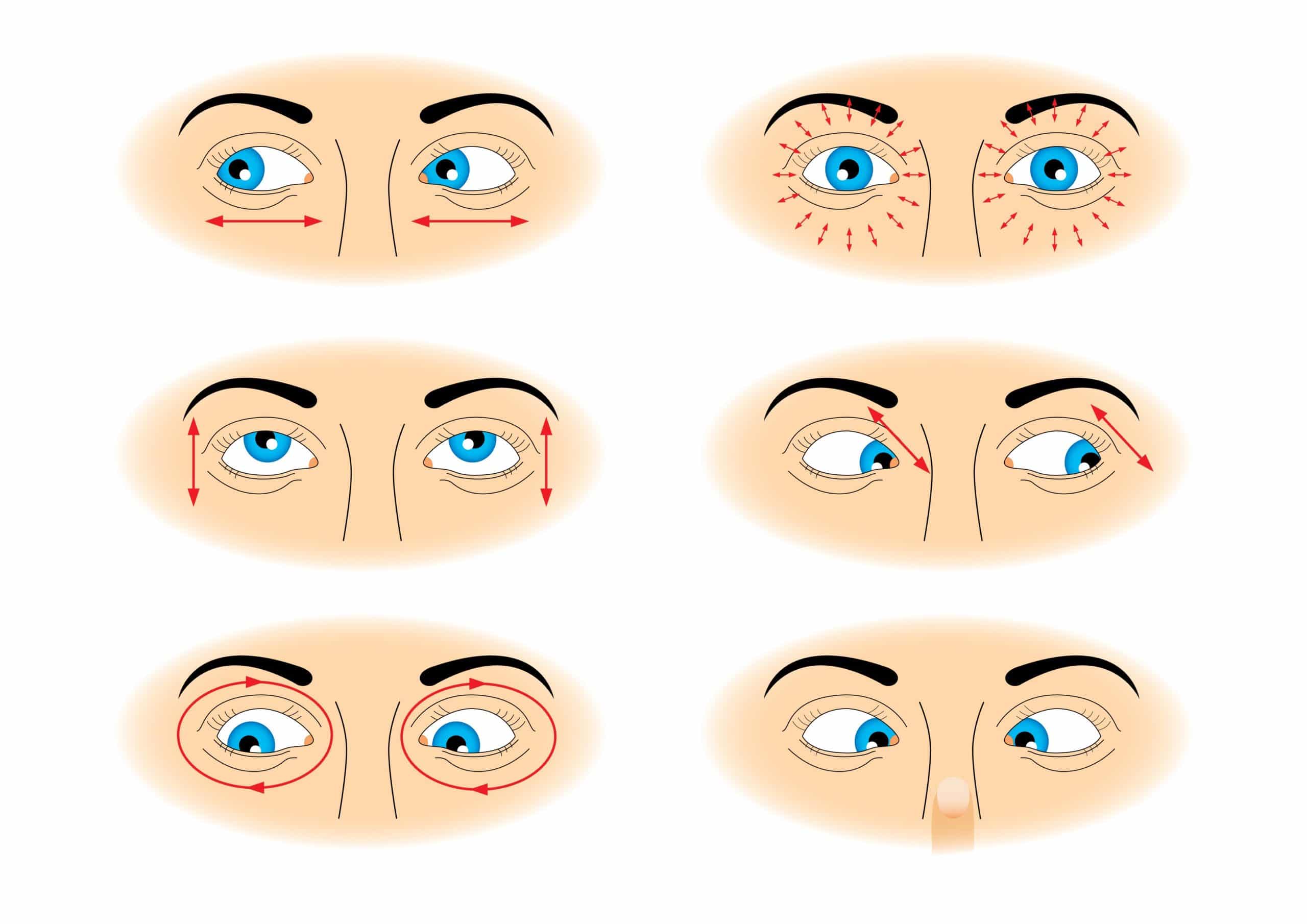
Eye exercises can help improve the flexibility of eye function and strength of the eye muscles, which can help improve vision. Some of the eye exercises that can be done to get vision improved to help other vision problems along distant vision along with astigmatism include:
- Blinking exercises
- Eye focusing exercises
- Eye rotation exercises
- Eye massage
Astigmatism is a common eye condition that can cause either blurry, vision problems or distorted vision. While there is no known cure for astigmatism, there are natural remedies that can help improve your vision and reduce your symptoms.
One natural remedy for astigmatism is eye exercises. Eye exercises can help improve the strength and flexibility of the muscles in your eyes, which can help reduce astigmatism-related symptoms such as eye strain and blurred vision. Here are some eye exercises you can try:
Blinking: Blinking helps to moisten and refresh the eyes, which can reduce eye strain and improve focus. To perform this exercise, blink rapidly for a few seconds and then close your eyes and relax.
Palming: Palming is a relaxation technique that can help reduce eye strain and improve focus. To perform this exercise, sit in a comfortable position and place your palms over your eyes, making sure to cup your palms so that they don’t touch your eyes. Close your eyes and breathe deeply for a few minutes.
Focusing: Focusing exercises can help improve your ability to focus and reduce eye strain. To perform this exercise, hold your finger in front of your face and focus on it. Slowly move your finger away from your face, maintaining focus, and then slowly move it back towards your face. Repeat this exercise several times.
While eyeglasses, contact lenses, and exercises may not cure astigmatism, they can help improve your vision and reduce your symptoms. However, it is always a good idea to consult with your eye doctor before trying any new treatments or exercises. If you already wear glasses for another vision problem (such as nearsightedness or farsightedness) then ideally your contact lenses will also be corrected for your astigmatism. Wear contact lenses to overcome peripheral vision problems and double vision problems.
2. Diet
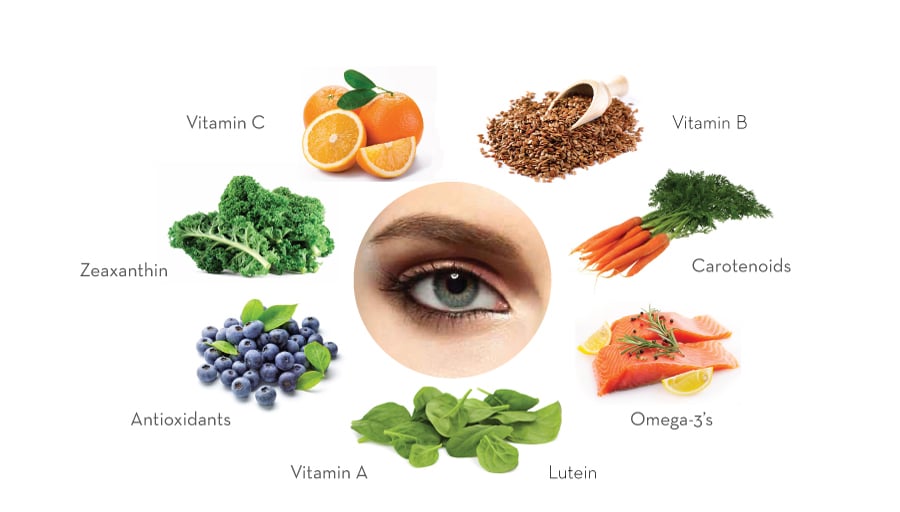
A healthy diet rich in vitamins and minerals can help maintain good eye health. Some of eye vitamins and foods that are beneficial for the eyes include:
- Leafy greens
- Carrots
- Berries
- Nuts
- Fish
In addition to eye exercises, diet can also play a role in managing astigmatism. Here are some dietary tips that may help:
- Eat a balanced diet: Eating a balanced diet rich in nutrients, vitamins, and minerals can help keep your eyes healthy and reduce the risk of eye-related problems, including astigmatism. Include plenty of fruits, vegetables, whole grains, lean protein, and healthy fats in your diet.
- Increase your intake of vitamins A, C, and E: These are important for eye health and may help reduce the risk of developing astigmatism. Foods rich in these vitamins include carrots, sweet potatoes, spinach, oranges, kiwi, nuts, seeds, and vegetable oils.
- Increase your intake of omega-3 fatty acids: Omega-3 fatty acids are important for eye health and may help reduce the risk of developing astigmatism. Foods that are rich in omega-3 fatty acids include fatty fish such as salmon, tuna, and sardines, as well as flaxseed, chia seeds, and walnuts.
- Avoid processed foods and sugary drinks: Processed foods and sugary drinks can contribute to inflammation in the body, which can affect eye health. Instead, opt for whole, unprocessed foods and drink plenty of water.
- Limit alcohol and caffeine: Alcohol and caffeine can dehydrate the body, which can affect eye health. Limit your intake of these substances and drink plenty of water to stay hydrated.
While diet can be an important factor in managing astigmatism, it is always a good idea to consult with your doctor or a registered dietitian to create a personalized nutrition plan that meets your individual needs. There are many benefits of fasting for better eyesight.
3. Yoga
Yoga can help improve circulation, reduce stress, and improve overall health, which can help improve vision. Some of the yoga poses that can be beneficial for the eyes include:
- Eye rotations
- Downward-facing dog
- Seated forward bend
- Child’s pose
- Eagle pose
Yoga is a holistic practice that can benefit both the mind and body in natural ways, including the eyes. Here are some yoga pose details that may help reduce astigmatism and vision-related symptoms:
Eye rotations: Eye rotations can help improve the flexibility and strength of the muscles in your eyes. To perform this exercise, sit in a comfortable position and look up as far as you can. Then, slowly rotate your eyes clockwise and then counterclockwise. Repeat this exercise several times.
Downward-facing dog: Downward-facing dog is a yoga pose that can help improve circulation and reduce eye strain. To perform this pose, start on your hands and knees, with your hands shoulder-width apart and your knees hip-width apart. Exhale and lift your knees off the floor, straightening your legs and pushing your hips up towards the ceiling. Keep your head and neck relaxed, and gaze towards your belly button.
Child’s pose: A child’s pose is a relaxing yoga pose that can help reduce stress and tension in the body, including the eyes. To perform this pose, start on your hands and knees, and then lower your hips back towards your heels, stretching your arms out in front of you. Rest your forehead on the floor and breathe deeply.
Eagle pose: Eagle pose is a yoga pose that can help improve focus and reduce eye strain. To perform this pose, stand with your feet together and your arms by your sides. Bend your knees slightly and lift your left foot up, crossing it over your right thigh. Then, cross your right arm over your left arm, bending both elbows and bringing your palms together. Hold the pose for a few breaths, and then repeat on the other side.

4. Acupuncture
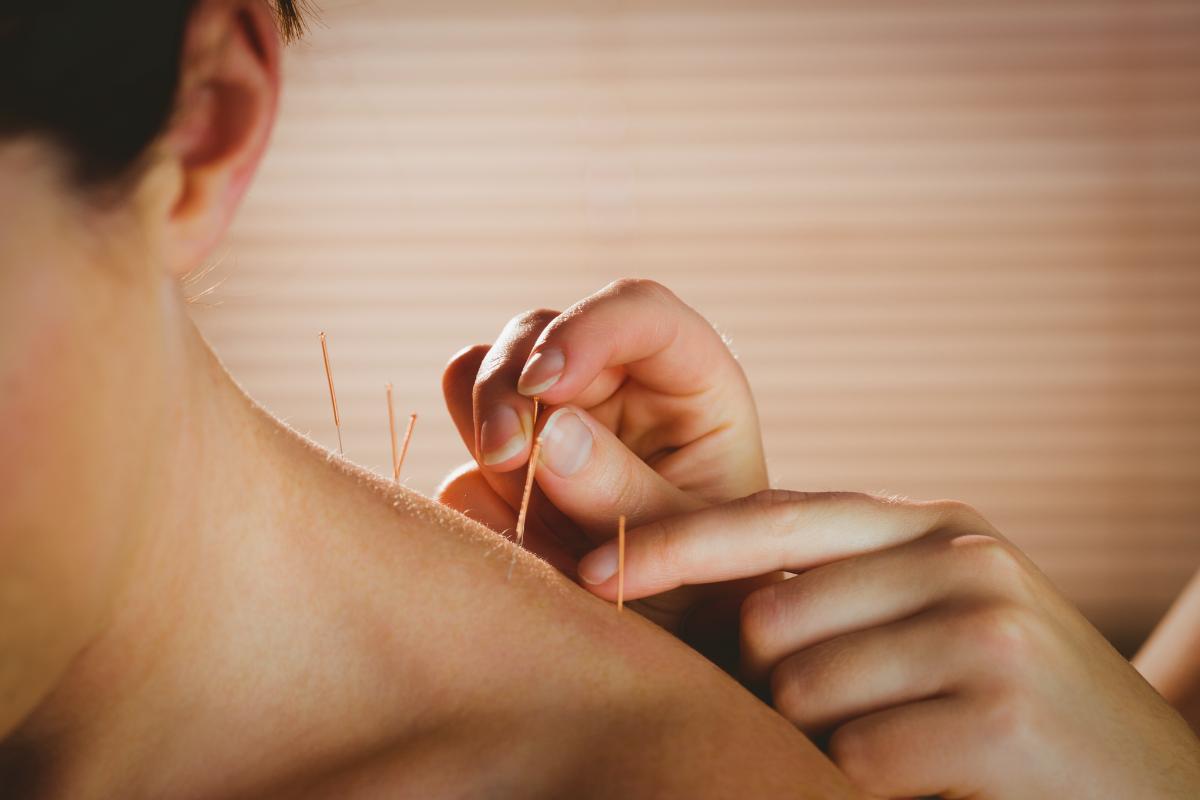
Acupuncture is a traditional Chinese medicine technique that involves the insertion of thin needles into specific points on the body to stimulate energy flow and promote healing. It has been used to treat a variety of health conditions, including astigmatism.
Acupuncture for astigmatism involves targeting specific points on the different objects of the eyes and face, head, and body to improve circulation and reduce tension in the muscles around the eyes. This can help to correct the uneven curvature of the cornea that causes astigmatism.
Research on the effectiveness of acupuncture for treating severe astigmatism only is limited, but some studies have shown promising results. One study published in the Journal of Traditional Chinese Medicine found that acupuncture was effective in improving visual acuity in patients with less severe cases of astigmatism only.
If you’re interested in trying acupuncture treatment for astigmatism, it’s important to find a licensed and experienced acupuncturist who can develop a treatment plan tailored to your eye exam-specific needs. You should also speak with your eye doctor before starting any new treatments for your astigmatism.
5. Aloe Vera
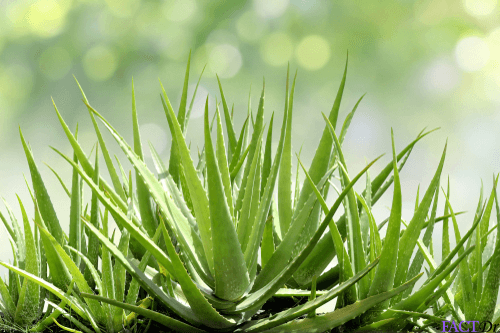
Aloe vera is a natural remedy that can help soothe and reduce inflammation in the eyes. It can be applied topically or consumed in the form of juice or supplements. Aloe vera is a plant that has been used for its medicinal properties for centuries. It contains a variety of beneficial compounds, including vitamins, minerals, and antioxidants, that can help to promote eye health and potentially improve astigmatism.
One of the ways that aloe vera may help with astigmatism is by reducing inflammation and irritation in the eyes. This can help to relieve some of the symptoms associated with younger patients with astigmatisms, such as eye strain and fatigue.
To use aloe vera for astigmatism, you can apply fresh aloe vera gel directly to your closed eyelids and massage gently. You can also mix aloe vera gel with distilled water and use it as an eye wash.
It’s important to note that while aloe vera is generally considered safe, it can cause serious eye irritation and allergic reactions in some people. If you experience an eye injury or any redness, swelling, or itching after using aloe vera on your eyes, discontinue use and speak with your doctor. Additionally, aloe vera should not be used as a substitute for proper medical treatment or eye surgery for astigmatism.
6. Bilberry
Bilberry is a fruit that is similar to blueberries and is known for its anti-inflammatory properties. It contains anthocyanins, which are antioxidants that can help improve vision. You can take bilberry supplements or eat the fruit itself.
One of the key benefits of bilberry is its ability to improve blood flow to the eyes, which can help to reduce inflammation and prevent damage to the retina. This is important for people with astigmatism because inflammation and damage to the retina can worsen the condition and lead to vision loss over time. It is ues as Natural Remedies for Astigmatism.
Bilberries may also help to improve night vision and reduce eye fatigue, which are common symptoms of astigmatism. Some studies have suggested that bilberry can improve the ability to adapt to darkness and reduce glare sensitivity, making it easier to see in low-light conditions.
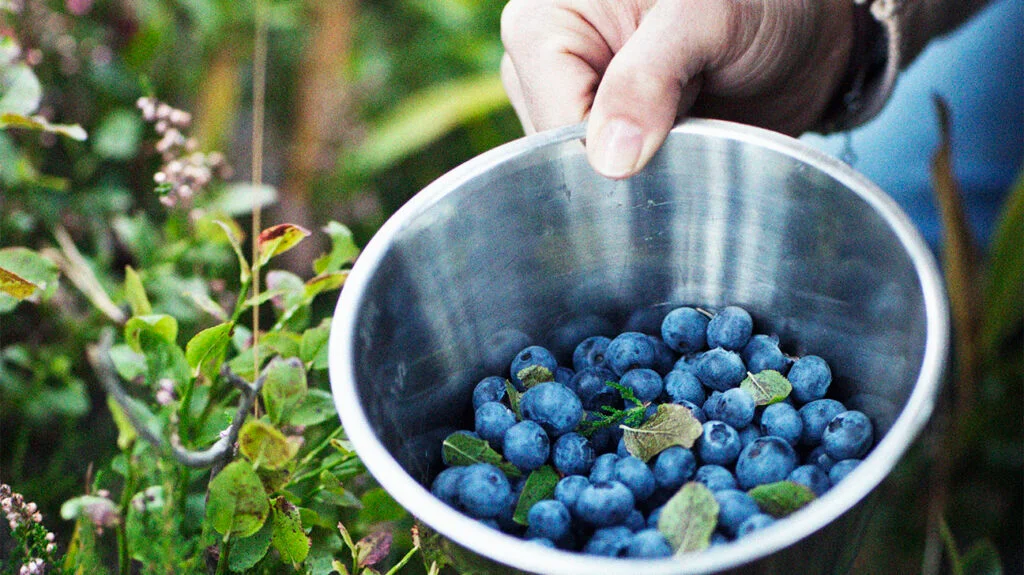
While bilberry is generally considered safe, it may interact with certain medications or cause side effects in some people. It’s important to speak with a healthcare provider before taking any new supplements or herbal remedies, especially if you have a medical condition or are taking prescription medications.
In addition to taking bilberry supplements, other natural remedies may help to alleviate the symptoms of astigmatism, such as practicing good eye hygiene, using warm compresses, and avoiding eye strain by taking frequent breaks when reading or using a computer.
Conclusion
Astigmatism can be a frustrating condition, but there are natural remedies that can help alleviate the symptoms. By incorporating these six natural remedies into your daily routine, you may be able to improve your vision and reduce discomfort. Overall, the natural remedies discussed in the blog post provide a non-invasive and potentially effective way to manage and treat astigmatism symptoms.
By incorporating these remedies into a regular eye care routine, individuals with astigmatism may be able to improve their vision and overall eye health. Astigmatism also has Laser surgery treatment. Laser surgery will use beams of light to reshape your cornea so you no longer have astigmatism. To have surgery to correct astigmatism, you will need special toric contact lenses, rather than standard contact lenses.
FAQs – Natural Remedies for Astigmatism
How can I reduce my eye astigmatism?
Eye astigmatism can be corrected with eyeglasses, contact lenses, or surgery. Consult with an eye doctor for personalized recommendations.
What is an alternative treatment for astigmatism?
Alternative treatments for astigmatism are not proven to be effective. Corrective lenses or surgery are the most commonly used treatments.
Is astigmatism curable naturally?
Astigmatism is not curable naturally, but its symptoms can be managed with corrective lenses or surgery.
What is the root cause of astigmatism?
Astigmatism is usually caused by an irregularly shaped cornea or lens, which leads to blurry or distorted vision.
Can astigmatism go away?
Astigmatism does not typically go away on its own, but it can be corrected with eyeglasses, contact lenses, or surgery.
Who is prone to astigmatism?
Astigmatism can occur in anyone, but it is more common in people with a family history of the condition or those with certain eye conditions such as keratoconus.
What do people with astigmatism see?
People with astigmatism see blurry or distorted images due to the irregular shape of their cornea or lens. They may experience eye strain, headaches, or difficulty focusing.
Thanks for reading about natural remedies for astigmatism and have an awesome day!


