


Thank you to Restorerpvision for letting us share this video.
Are you curious about the 4 most common eye problems?
Our eyesight is one of our most important senses and can easily be taken for granted. Unfortunately, many people suffer from eye problems that range from minor annoyances to serious conditions. If you’ve ever had any issues with your eyes, or know somebody who has, you may be curious about what causes these problems and how they can be treated. Here is a closer look at the four most common eye problems and what you can do about them.
Glaucoma
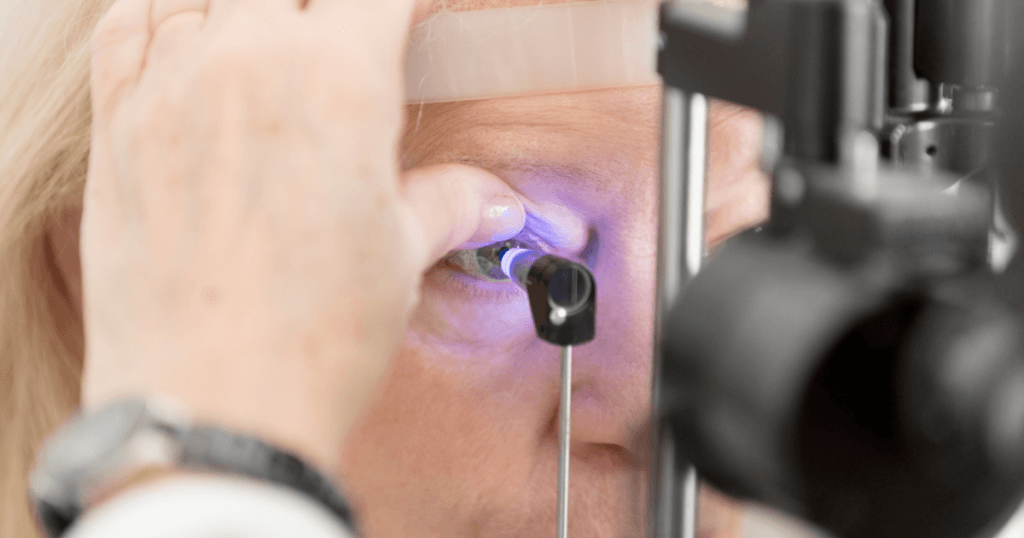
Glaucoma is the first of the 4 most common eye problems and is a condition in which pressure builds up inside of your eye, damaging the optic nerve. This condition is often caused by age-related changes in the drainage canals that are located within the eye, but it can also be genetic or due to other health conditions. Glaucoma usually only affects one eye at a time and can lead to vision loss if left untreated. There are several treatments available for glaucoma including medications, laser treatments, and surgery.
Cataracts
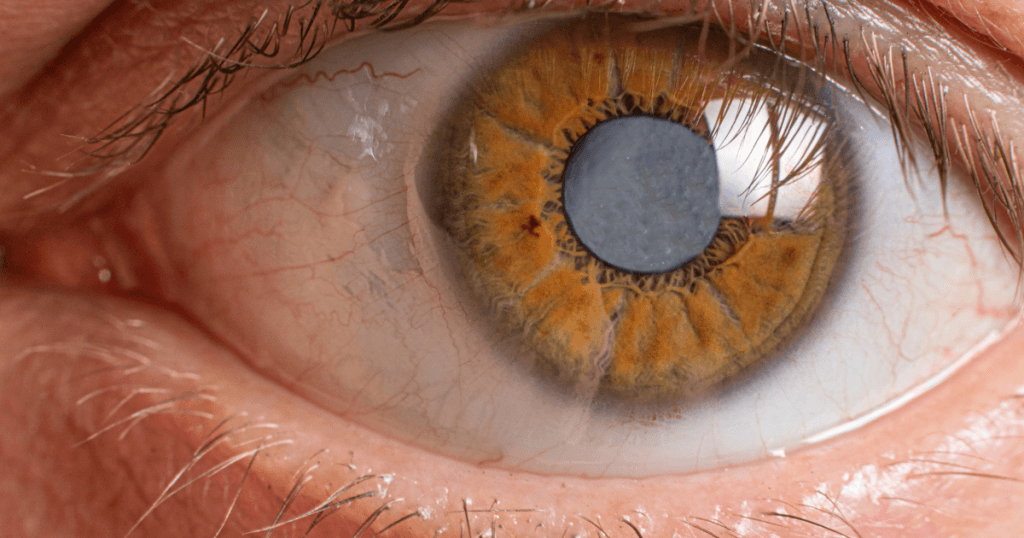
Cataracts is the second of the 4 most common eye problems and it occurs when proteins build up on your lens over time, eventually causing cloudiness in your vision. Cataracts are more commonly associated with aging but they can also occur due to certain medical conditions or even after an injury or surgery on the eye. Cataracts usually affect both eyes but don’t always have equal severity between both eyes. Treatment options include medication or surgery to remove the cloudy lens and replace it with a clear artificial lens implant.
Diabetic Retinopathy
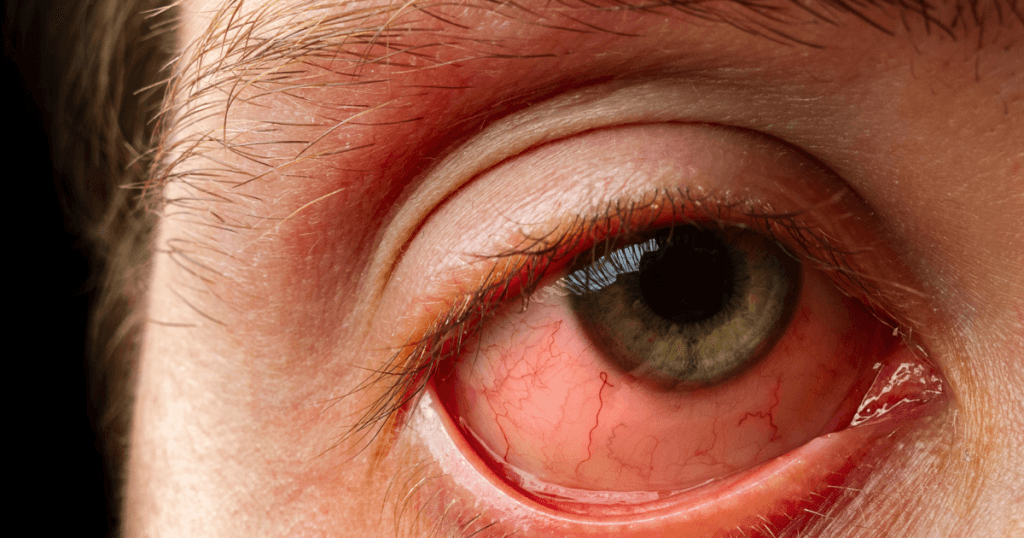
Diabetic Retinopathy is the third of the 4 most common eye problems and it occurs when diabetes causes damage to the blood vessels in the retina, which is located at the back of the eye. It affects both Type 1 and Type 2 diabetics, however it is more common in those with Type 1 diabetes. If left untreated, diabetic retinopathy can cause significant vision loss.
The early stages of the condition are often symptomless, so it is important for diabetics to have regular eye examinations to check for any damage that may be occurring in their eyes. Treatment options include laser surgery, intraocular injections, and vitrectomy (a surgery which removes the vitreous gel from the eye). With proper treatment, diabetic retinopathy can be managed and vision loss minimized.
Age-Related Macular Degeneration (AMD)

This is the fourth of the 4 most common eye problems and it occurs when there is damage to the macula an area near the center of your retina which helps us get clear central vision, leading to impaired central vision (but not complete blindness). Age-Related Macular Degeneration typically affects people over 60 years old but it can also affect younger individuals if there is a family history of this condition or if they have a pre-existing medical condition like diabetes which, increases their risk factor for this type of degenerative eye disease.
Treatment options vary depending on severity but may include special diet modifications (to reduce inflammation) vitamins /supplements as well as medications/injections, designed specifically for treating this condition.
FAQ’S For The 4 Most Common Eye Problems
How does eye damage affect your body?
Eye damage can have a profound effect on your body – both in terms of physical and psychological. Visually, an eye injury can cause decreased vision, reduced contrast sensitivity, a loss of depth perception, misaligned pupils, floaters or flashes of light that impair vision and sometimes even complete blindness.
On the physiological side of things, eye trauma may lead to painful headaches due to the pressure it places on surrounding nerve pathways. Furthermore, because our eyes are connected directly to our brains – via the optic nerves – any type of visual impairment from damaged eyes is likely to create disruption throughout other regions of the brain as well. It’s possible for this kind of disruption to be linked with mood swings and cognitive troubles (such as difficulty focusing) too.
Can your eyes heal from damage?
Absolutely! Our eyes are amazing and complex organs capable of healing from physical damage, up to a certain point. The healing process can take anywhere from a few days to several months depending on the severity of the injury.
When it comes to our eyes, the most common types of eye injuries include scratches or cuts on the surface of the cornea (the outermost layer of your eye), bruises (also known as contusions) that cause blood vessels in your eye to leak into its conjunctival sac, or worse – trauma resulting in nerve tissue damage.
If you’ve experienced any type of injury to your eye, it’s important not only to seek medical attention right away but also stay vigilant throughout the recovery period with regular check-ups and follow doctor’s orders closely.
What is eye power called as?
Eye power, also known as visual acuity or visual sharpness, is the metric used to measure how well your eyes can distinguish fine details and objects from a distance. It’s measured in diopters a unit of measurement for optical lens strength, and is often expressed as “20/20” vision. This means that someone with 20/20 visual acuity can see an object at 20 feet away with the same clarity as someone without any vision impairment could at 20 feet.
What protects the eye?
Ah, the eye! It’s such an amazing part of our bodies that most of us take for granted. Thankfully, there are a lot of different things that help protect this vital organ from harm.
The first line of defense for your eyes is the eyelids and eyelashes. The eyelids serve both as a physical barrier to keep dirt, dust, and other particles out of your eyes and also as a visual blindfold to block out bright light. Your eyelashes can even act like windshield wipers – when foreign objects strike them they quickly push them away from the eye ball so they don’t cause any damage.
We also have tear ducts, which secrete tears to lubricate our eyes and wash away any foreign particles or bacteria that manage to get in there. Tears contain proteins called lysozymes which breakdown germs on contact – impressive right? And speaking of impressive, did you know that everyone has unique fingerprints…your iris actually has it’s own unique pattern too! This helps ensure that no two people have exactly the same vision (no pun intended).
Final Thoughts About The 4 Most Common Eye Problems
From cataracts to age-related macular degeneration, understanding these four most common eye problems will help you better care for yourself and others around you, who might be suffering from them too. The good news is that treatment options exist for all four conditions so if you suspect that you may have one of these ailments then it’s best to speak with your optometrist right away, so they can diagnose it quickly and begin treatment immediately.
Thanks for reading and let’s make sure we keep our peepers healthy!


