


Have you ever wondered about some of the most studied eye diseases?
It’s easy to take eye health for granted, especially when it comes to the minor annoyances like eye strain from staring at a computer screen all day. But while these may be nothing more than an inconvenience, eye diseases can be a serious matter if not detected and treated in time.
That’s why it’s important to stay informed about the different eye diseases that exist, so you know what signs and symptoms to look out for, and how they can affect your vision. In this blog post, we’ll give you 20 must-see eye diseases with pictures along with descriptions of each disorder so you can better understand them. With this knowledge, hopefully you’ll be able to detect any concerning changes in your eyes early on and get the help you need before it’s too late!
Age-Related Macular Degeneration (AMD)

Age-related macular degeneration (AMD) is a eye disorder that affects central vision. It occurs when the macula, the small central area of the retina responsible for sharp vision, deteriorates. This deterioration can cause vision to become blurry and distorted.
Astigmatism
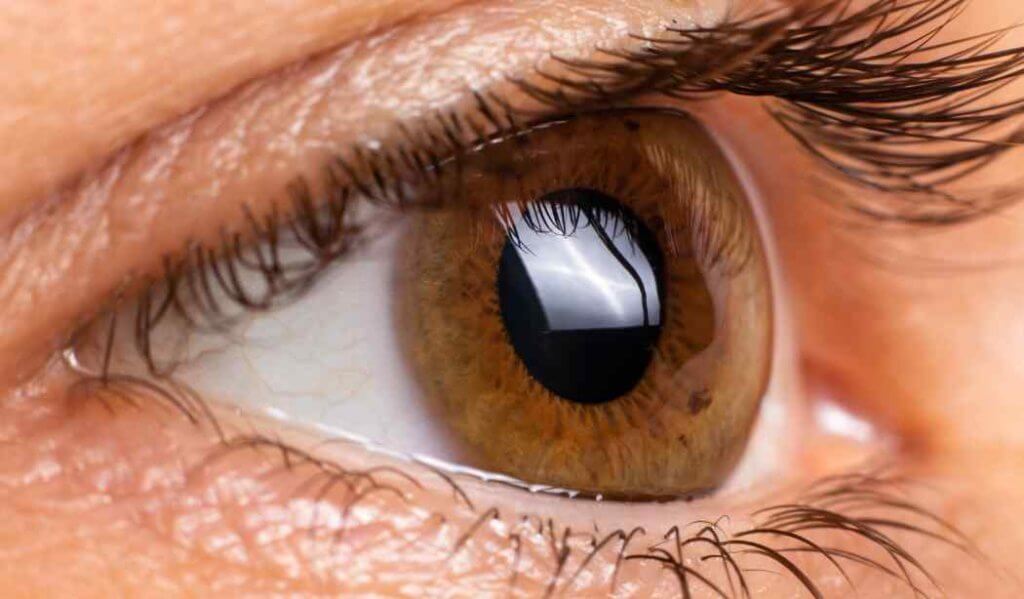
Astigmatism is a eye condition in which the eye’s cornea or lens is curved incorrectly, resulting in blurred vision. It is one of the most common eye diseases, affecting nearly one third of the population. Astigmatism can affect individuals at any age, but is more prevalent among young people and children. Symptoms of astigmatism include eye strain, headaches, and difficulty reading or seeing clearly at a distance. People with astigmatism may also experience eye pain or eye fatigue after long periods of close work.
Behçet’s Disease
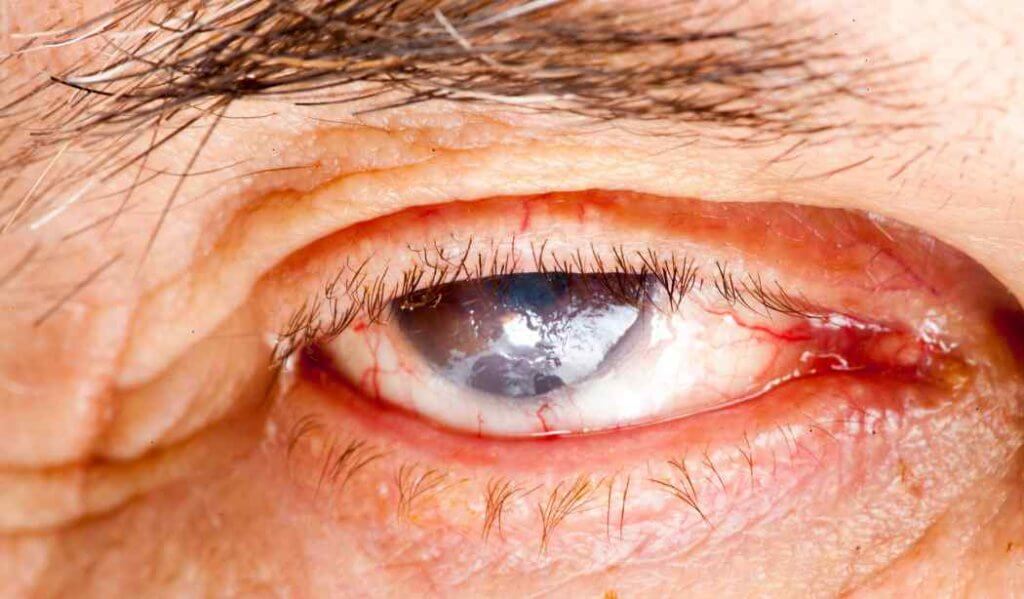
Behçet’s Disease is an eye disease characterized by recurrent eye inflammation, which can lead to vision loss. It is characterized by the presence of eye lesions and ulcers on the eye surface, often resulting in pain and redness. Additionally, Behçet’s Disease can cause complications such as cataracts, glaucoma and optic nerve damage. A diagnosis of Behçet’s Disease is made by eye doctors who look for signs of eye inflammation and eye lesions in the eye.
The most common symptoms associated with Behçet’s Disease are eye pain, eye redness, blurred vision and sensitivity to light. Other symptoms may include eye discharge, eye floaters and eye swelling. Treatment for Behçet’s Disease typically involves the use of steroids and other eye medications to reduce inflammation and prevent further eye damage. In more severe cases, surgery may be needed to improve vision if eye lesions cause significant damage.
Cataracts
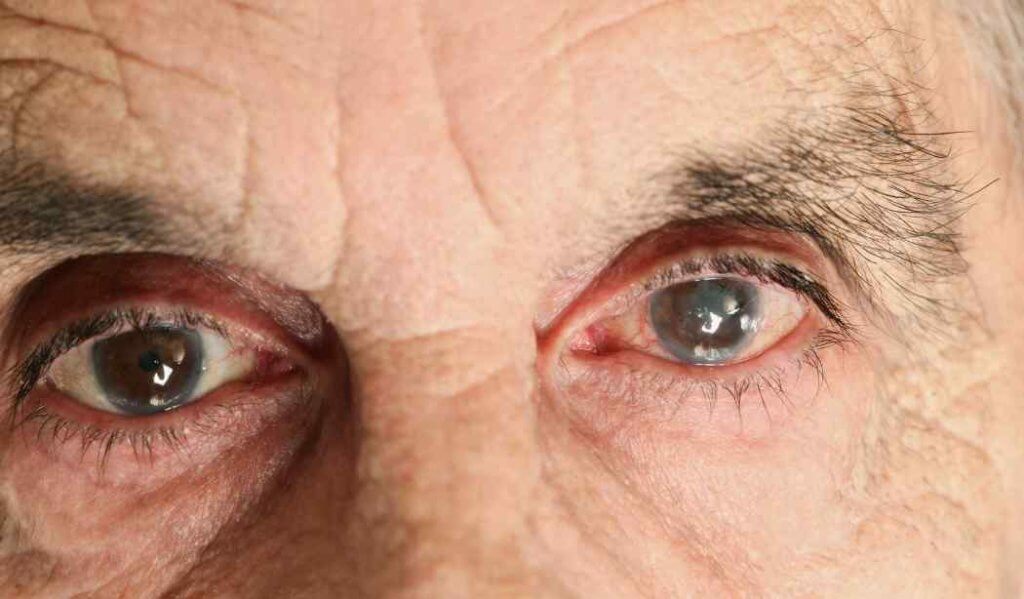
Cataracts are a common eye condition that can cause blurred vision and even blindness, if left untreated. In most cases, cataracts occur due to aging and the eye’s natural lens becoming clouded or opaque over time. A person with cataracts may experience blurry vision, increased sensitivity to light, poor night vision, double vision, and/or faded colors.
Cataracts can be diagnosed with a simple eye exam, and treatment includes eye drops, surgery, or a combination of the two. Surgery is generally considered to be the most effective form of treatment for cataracts. As you age, it’s important to get regular eye exams to make sure that any eye diseases, such as cataracts, are caught early. With proper treatment and care, you can help prevent vision loss from eye diseases and maintain good eye health.
Color Blindness
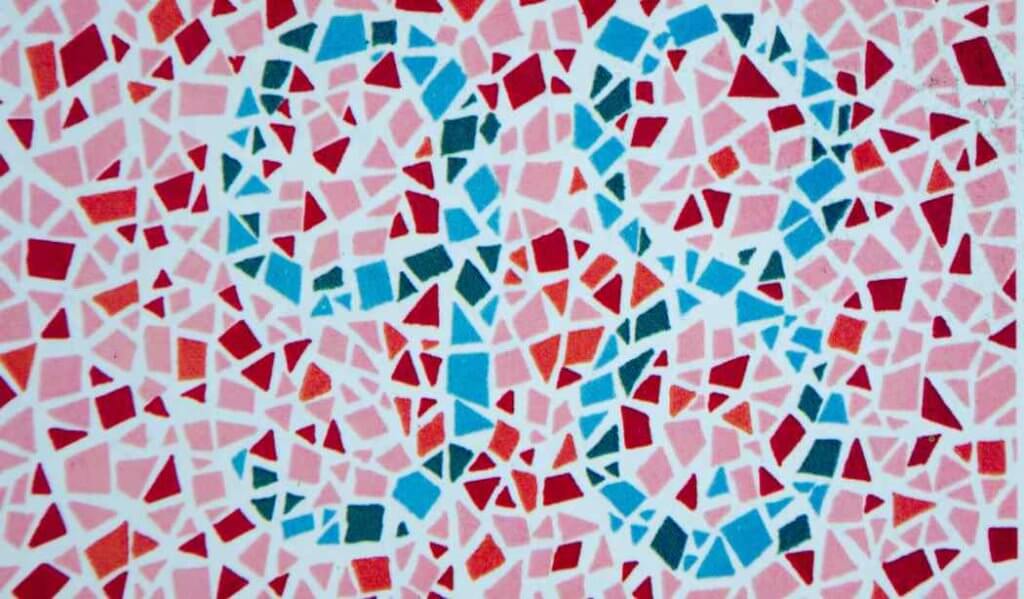
Color blindness is a condition that affects a person’s ability to perceive colors in the same way as someone with normal vision. It is usually caused by an inherited fault in one of the light-sensitive cells in the eye, which results in an impaired capability to distinguish red and green colors. Color blindness is not a form of complete blindness, since people who have this condition can still see shades of gray and distinguish between light and dark. However, they may have difficulty recognizing certain colors or distinguishing subtle differences in color.
Diabetic Retinopathy
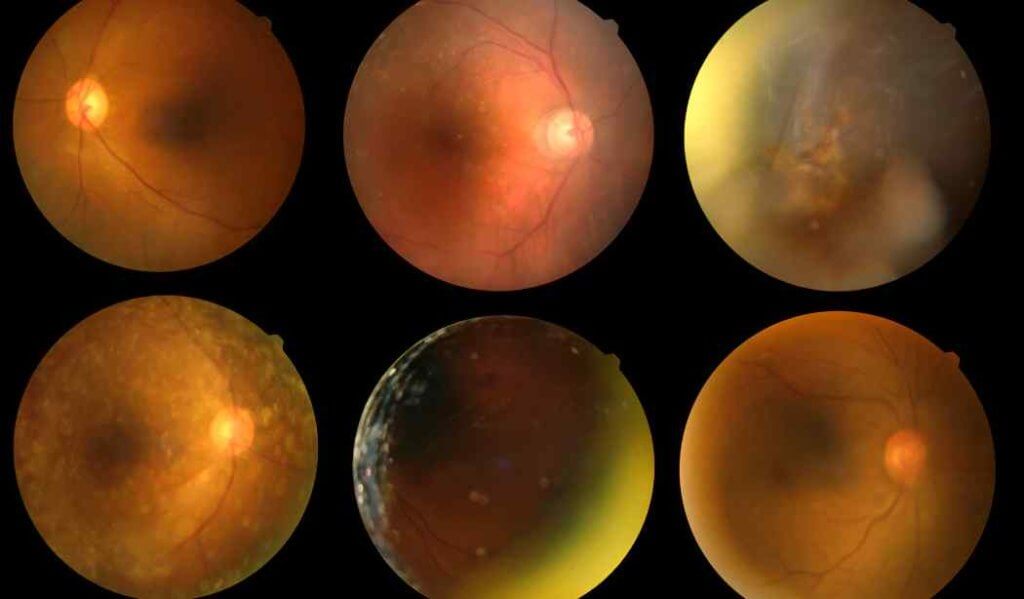
Diabetic Retinopathy is an eye disease that affects individuals with diabetes, and is one of the leading causes of blindness among adults. It is caused by changes in the blood vessels of the retina, which is the light-sensitive tissue that lines the back of the eye. These changes can lead to damage to the nerve cells in the eye, leading to vision problems. In severe cases, it can cause blindness.
The earliest signs of diabetic retinopathy are usually small areas of swelling and leaking blood vessels in the eye that affect central vision. As the disease progresses, these spots may become larger or more numerous, and new blood vessels may form on the retina’s surface.
Farsightedness (Hyperopia)
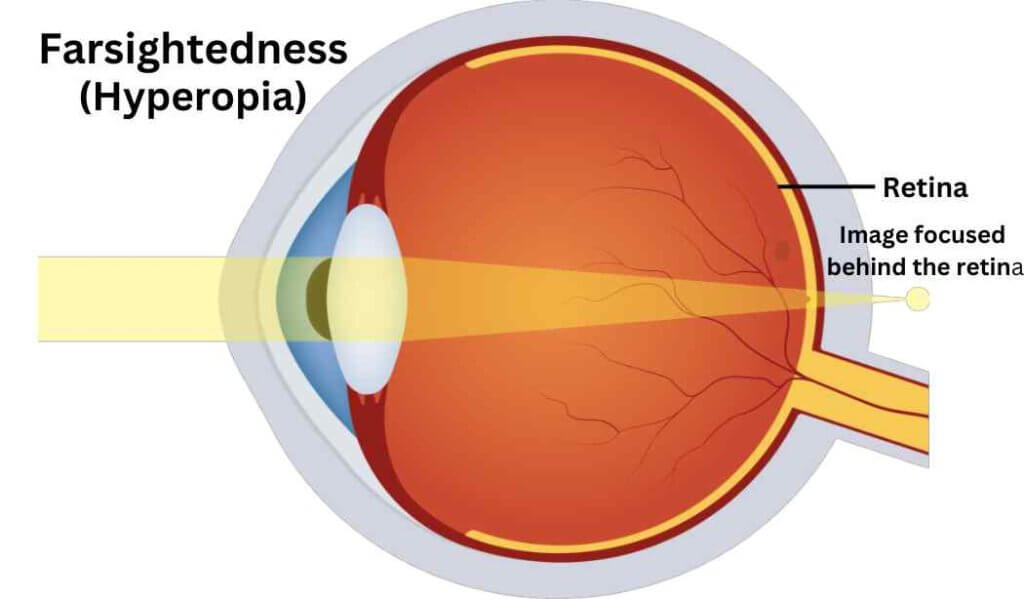
Farsightedness, or Hyperopia, is a refractive eye disorder that affects the vision of many people around the world. It occurs when the eye is not able to focus light correctly onto the retina and instead focuses it behind the retina. This can lead to blurred vision when looking at objects up close and can cause eye strain and eye fatigue while reading. People with farsightedness may also experience eye discomfort, eye twitching and headaches.
The cause of hyperopia is usually genetic, although it can sometimes be caused by eye trauma or eye injury. It is often diagnosed in childhood, though cases in adults are not uncommon. The severity of hyperopia can vary greatly, and people can have mild degrees of this eye disorder that often go undiagnosed.
Eye Floaters
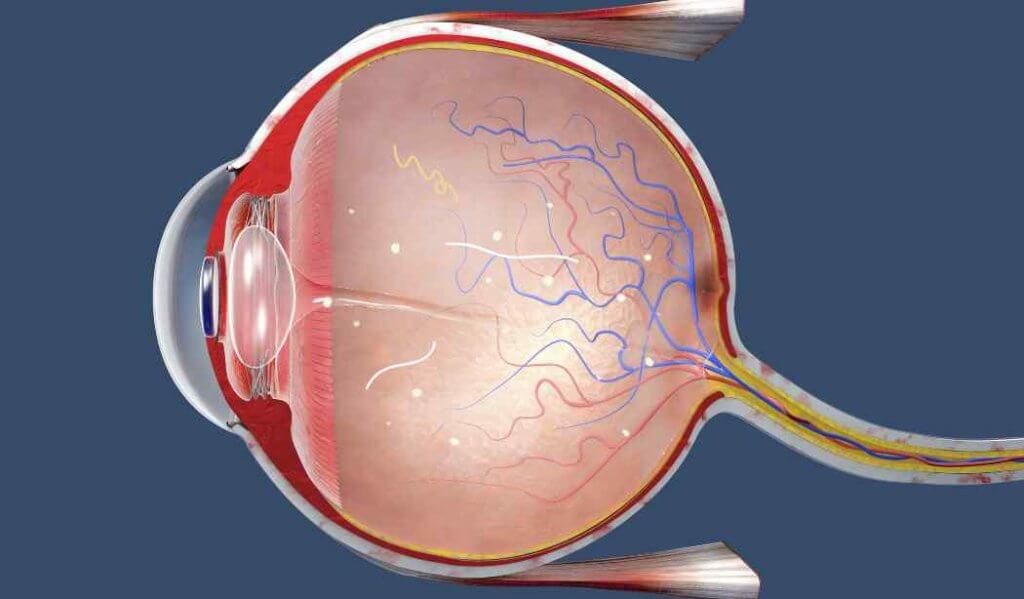
Floaters are eye conditions which involve small spots that appear to float in front of the eye. They may resemble dots, thread-like strands, cobwebs, or other shapes, and can typically be seen when looking at a bright background, such as white paper or a clear blue sky.
Floaters are usually harmless and do not require treatment, but in some cases they can be a symptom of eye diseases. It is important to visit an eye doctor if you are experiencing severe floaters or any other eye-related symptoms.
Floaters can look different depending on the person and their eye condition. Some people may experience them as small spots that appear to move around when looking at a bright background, while others may experience them as a large blob that blocks out their vision.
Glaucoma
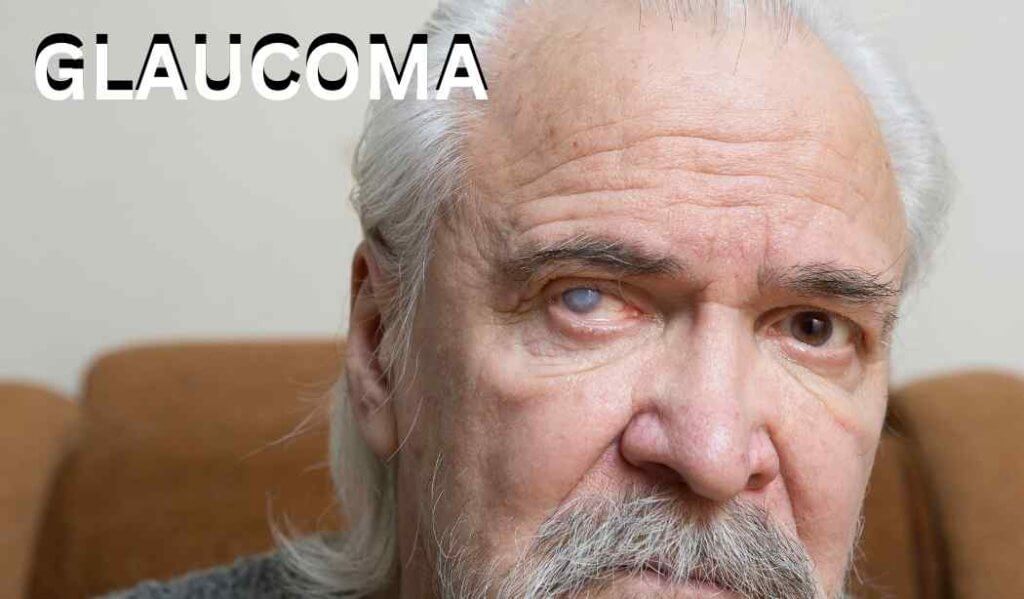
Glaucoma is an eye disease that affects millions of people worldwide, causing vision loss and often leading to blindness. It is caused by damage to the optic nerve due to a buildup of pressure inside the eye, usually from too much eye fluid or a blockage in the eye’s drainage system. While glaucoma cannot be cured, it can be controlled with medication or surgery. Early detection and treatment is important to preventing vision loss from glaucoma.
There are two main types of glaucoma: open-angle glaucoma and angle-closure glaucoma. Open-angle glaucoma, the more common type, is caused by a slow buildup of eye pressure. The other type, angle-closure glaucoma, occurs when the drainage system of the eye becomes blocked suddenly and eye pressure increases rapidly.
The symptoms of glaucoma are painless, which is why it’s so important to get regular eye exams to detect the disease early. The most common symptom is a gradual loss of peripheral vision, which can be seen in the eye’s visual field test. Other signs include eye pain, blurred vision and halos around bright lights.
Idiopathic Intracranial Hypertension

Idiopathic intracranial hypertension (IIH) is a condition that causes the pressure inside your skull to increase for no known reason. This extra pressure can damage your optic nerve, which is the nerve that connects your eye to your brain. IIH is also called pseudotumor cerebri (PTC) and benign intracranial hypertension.
Symptoms of IIH usually include eye pain, double vision, and headaches that are typically worse when you’re lying down. You might also experience temporary vision loss or changes in your eye’s appearance. These eye problems can cause permanent vision loss if left untreated. Fortunately, treatment for IIH typically involves taking medications to reduce the pressure inside your skull and prevent further damage to your optic nerve. In some cases, surgery may also be necessary.
Low Vision

Low vision is a condition that results in decreased visual acuity and field of vision, even with corrective eyewear or eye surgery. It is typically caused by eye diseases, such as macular degeneration, glaucoma, eye injury, or eye conditions like cataracts. Low Vision can make it difficult for those afflicted to perform everyday tasks, such as reading or driving. There are services and devices available to help people with low vision cope with their condition.
Macular Edema
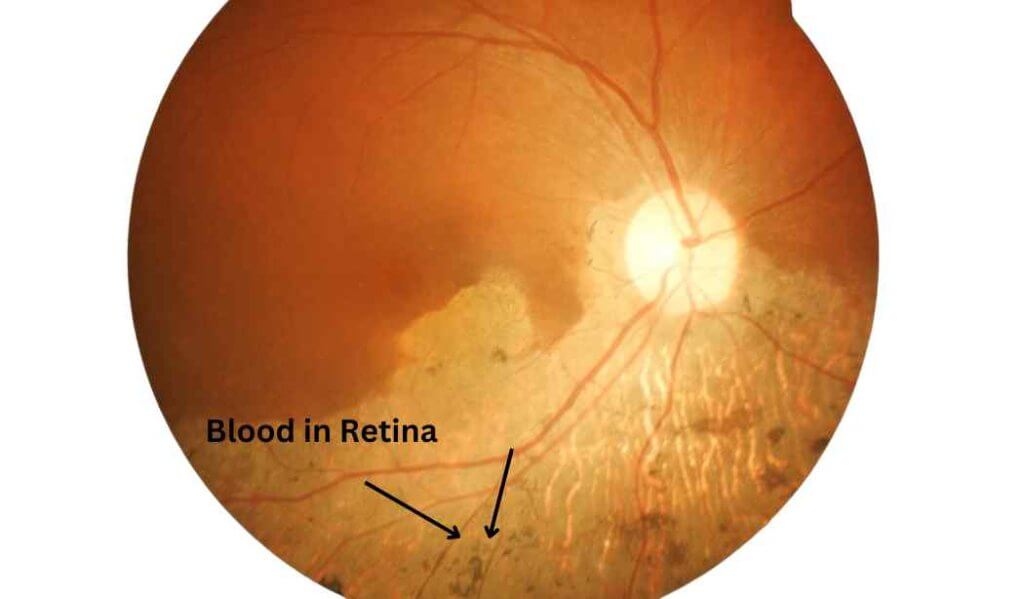
Macular edema is an eye disorder caused by swelling in the macula, a small area of the eye that controls central vision. It occurs when fluid accumulates in the eye, causing the eye tissue to thicken and distort vision. In some cases, macular edema can lead to permanent vision loss if left untreated. Symptoms may include blurred vision, eye redness and pain.
In some cases, a change in color perception may also occur. Treatment typically involves medications that reduce eye swelling and improve eye health. Some patients may require laser or surgical treatments to help restore vision. With early detection and treatment, macular edema can be successfully managed to prevent further vision loss.
Nearsightedness (Myopia)

Nearsightedness, also known as myopia, is a common eye disorder characterized by blurred vision when viewing distant objects. It usually begins during childhood and can worsen with age if left untreated. The eye’s cornea or lens may be too curved for the eye to focus light correctly on the back of the eye (retina), resulting in blurry vision. Myopia can be managed with corrective eyewear, contact lenses or eye surgery. To help protect your eyes from developing myopia, good eye care habits including regular eye exams are important.
Ocular Histoplasmosis Syndrome (OHS)

Ocular Histoplasmosis Syndrome, or OHS. This disease is caused by a fungus that lives in soil and is spread through the air. The spores of the fungus can enter the eye and cause an inflammation. Symptoms can include eye pain, blurry vision, and a decrease in night vision. In some cases, eye infections can develop or scarring of the retina can occur.
The best way to diagnose OHS is through an eye exam by a qualified eye doctor. Your eye doctor will look for signs such as the mild spots on the retina that are characteristic of the disease. If you have any of these symptoms, be sure to see your eye doctor for a proper diagnosis.
Presbyopia (Age-Related Farsightedness)

Presbyopia (age-related farsightedness) is a common eye condition that typically begins to affect people in their mid-40s. It is an age-related eye disorder that makes it difficult to focus on objects that are close up. In most cases, the eye’s natural lens hardens with age, making it difficult for the eye muscles to bend and flex the eye to bring near objects into focus.
A telltale sign of presbyopia is difficulty reading small print, such as text messages and menus. In more advanced cases, eye strain and headaches can occur when attempting close-up activities like sewing or computer work. Fortunately, eye exercises and corrective lenses can help manage the condition.
Retinitis Pigmentosa

Retinitis pigmentosa (RP) is a group of eye diseases that cause progressive degeneration of the retina, leading to severe vision impairment and sometimes complete blindness. It is a genetic disorder that affects approximately one in 4,000 people worldwide. Symptoms usually appear before the age of 20, but may be delayed until later in life.
Symptoms include decreased peripheral (side) vision, difficulty seeing in low light, and sometimes the inability to discern colors. The eye may also appear to have a “hazy” appearance due to loss of pigment along the back of the eye.
Retinopathy of Prematurity

Retinopathy of Prematurity (ROP) is an eye disorder that occurs primarily in premature babies born before 32 weeks of gestation. It is caused by abnormal blood vessel growth in the eye’s retina and results in permanent vision impairment. The condition is most common in infants who weigh 2.75 pounds or less at birth, though some babies born at a later gestational age can also be affected.
While ROP is not curable, it can be treated if caught early enough. Treatment typically involves laser eye surgery or other eye therapies, depending on the severity of the eye disorder. An eye exam should be given to all babies who are born prematurely in order to detect any signs of eye disease.
Stargardt Disease

Stargardt Disease is a rare eye disorder that typically affects children, teens, and young adults. It is an inherited eye disease that causes progressive degeneration of the light-sensitive cells in the macula, the part of the eye located at the center of the retina. This deterioration results in vision loss and sometimes complete blindness.
The most common symptom of Stargardt Disease is blurred vision or a decrease in central vision. Other symptoms include difficulty seeing colors and light sensitivity. In some cases, eye floaters or eye spots may be seen as well.
Uveitis
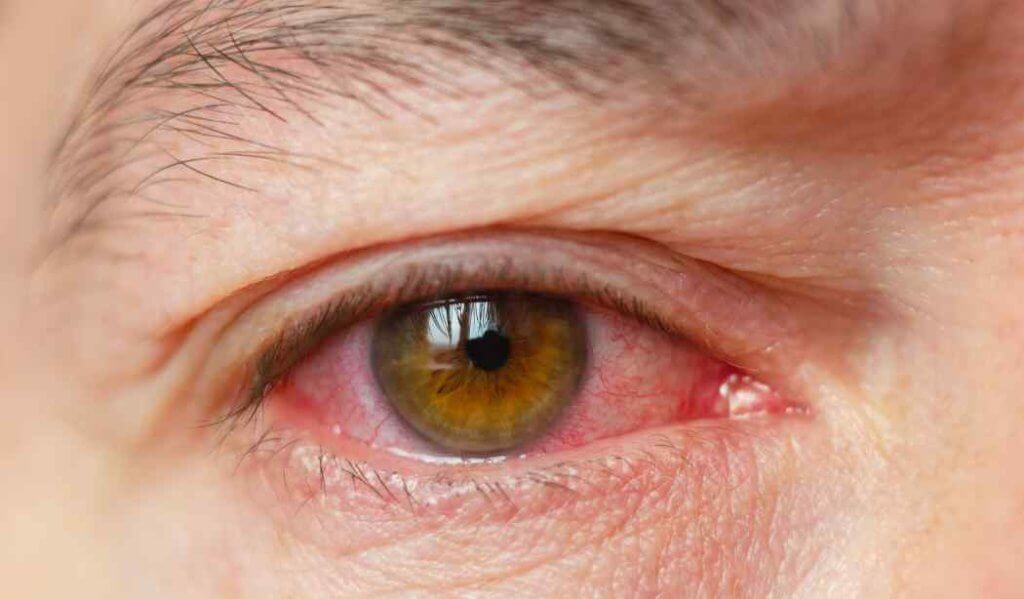
Uveitis is a form of eye disease that affects the uvea, which is the middle layer of the eye. It can cause inflammation, pain, and even vision loss if left untreated. In most cases, uveitis affects only one eye, but in some people, it can involve both eyes. Symptoms of uveitis can include eye pain, redness, blurred vision, and sensitivity to light. If you experience any of these symptoms, it’s important to seek medical attention right away.
Vitreous Detachment

Vitreous Detachment is a common eye condition that affects many people as they age. It occurs when the vitreous, a gel-like substance in the eye, begins to pull away from the retina. This detachment can cause flashes of light and floaters in your vision, similar to seeing spots or cobwebs. The condition itself is generally not serious, but it can be a sign of other eye diseases and should be monitored closely by an eye doctor. In some cases, surgery may be necessary to repair any damage caused by the detachment.
Final Thoughts
Now that you have seen these eye diseases with pictures it is essential to be aware of eye diseases, their symptoms and treatments. From presbyopia to retinitis pigmentosa, vitreous detachment and uveitis, these eye conditions can cause a range of vision impairments that require further medical attention. We hope this article has provided you with the necessary information on eye diseases so that if you or someone close to you ever experience any eye-related issues, they will know what steps need to be taken next.
Thank you for reading and remember your eyes are precious gifts—treat them with love and care!


