


Contact lenses are a popular alternative to eyeglasses for vision correction. They provide convenience, flexibility, and a better appearance. However, they require proper care and maintenance to prevent eye infections. Eye infections can lead to serious eye problems such as corneal ulcers, permanent vision loss, and even blindness. Therefore, following the proper steps to prevent eye infections from contact lenses is essential. In this article, we will discuss eight proven steps to prevent eye infections from contact lenses.
Understand the Risk Factors
Several risk factors can increase your chances of developing an eye infection from contact lenses. One of the most important is the type of contact lens you wear. Soft lenses are more permeable than hard lenses, which means they allow more oxygen to reach the eye and help keep it healthy. However, they are also more fragile and can tear more easily, allowing bacteria to enter the eye.
Another risk factor is how often you wear your lenses. The more often you wear them, the greater the chance of developing an infection. It is important to follow your doctor’s recommendations for how often to change your lenses.
You are also at increased risk if you don’t clean your lenses properly or if you don’t take care of them properly. Be sure to wash your hands before handling your lenses, and always clean them according to the manufacturer’s instructions.
Finally, certain medical conditions can make you more susceptible to developing an eye infection from contact lenses. If you have diabetes or a weakened immune system, you should talk to your doctor about whether contact lenses are right for you.

Choose the Right Contact Lenses
The first step to preventing eye infections from contact lenses is to choose the right type of lenses. There are various types of contact lenses available in the market, such as daily disposables, weekly disposables, and monthly disposables. It is essential to consult with an eye doctor or an optometrist to determine the best type of lenses that suit your lifestyle and needs. Additionally, make sure to buy lenses from a reputable source and avoid buying counterfeit or low-quality lenses.
Contact lenses are a safe and effective way to correct your vision, but they also come with a higher risk of eye infections. To help prevent eye infections from contact lenses, follow these tips:
- Only use contact lenses that have been prescribed by an eye care professional.
- Do not share your contact lenses with others.
- Clean and disinfect your contact lenses according to the manufacturer’s instructions.
- Do not wear your contact lenses while swimming or showering.
- Remove your contact lenses before going to bed.
- Always wash your hands before handling your contact lenses.
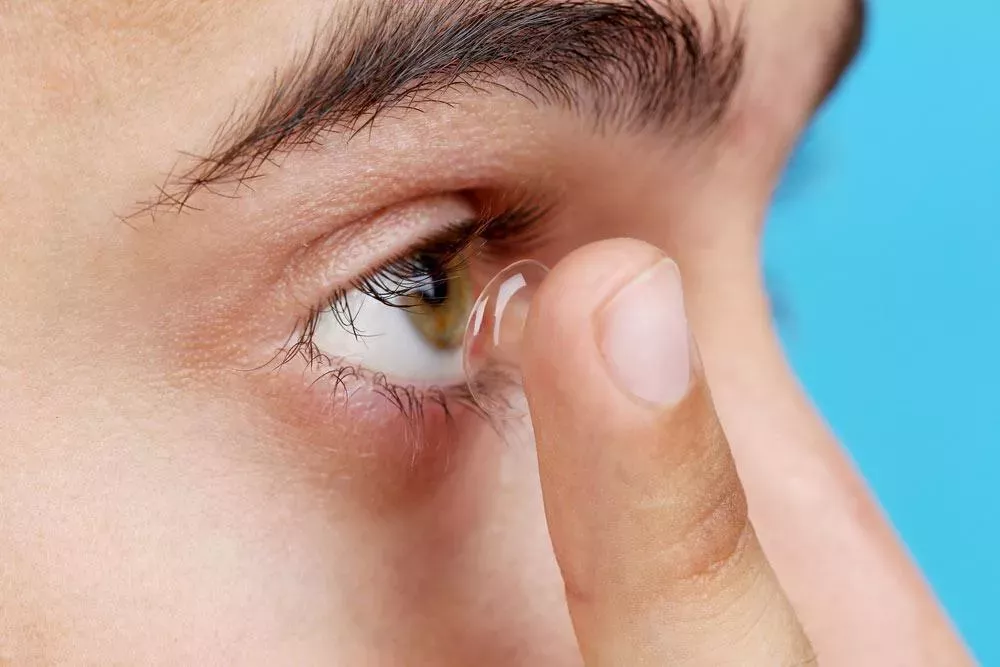
Clean and Disinfect Your Lenses Regularly
Cleaning and disinfecting your lenses regularly is crucial to prevent eye infections. Follow the manufacturer’s instructions or your eye doctor’s recommendations to clean and disinfect your lenses properly. Additionally, use only the recommended cleaning solutions and avoid using tap water, saliva, or other non-sterile solutions to clean your lenses.
Maintaining proper hygiene for your contact lenses and their case is crucial to prevent eye infections. It is essential to clean your contact lenses and use a disinfecting solution regularly. Here are some tips on how to effectively care for your lenses and maintain good eye health:
Clean your lenses with a mild soap and water solution. Be sure to rinse them with hot tap water as well before putting them back in your eyes.
Disinfect your lenses with a commercial lens disinfection solution. Be sure to follow the instructions on the bottle carefully.
Store your lenses in a clean, dry place. Be sure to replace the storage case every three months or so.
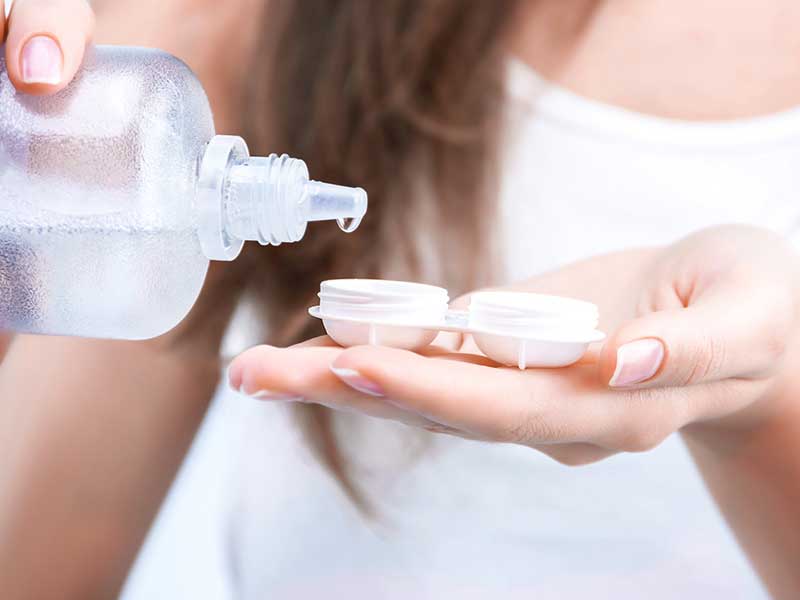
Follow Proper Hygiene Practices
One of the most important things you can do to prevent eye infections from contact lenses is to follow proper hygiene practices. This means always washing your hands before handling your lenses, and never sharing lenses with anyone else. You should also clean and disinfect your lenses according to the manufacturer’s directions.
If you wear disposable lenses, be sure to throw them away after the recommended number of uses. And never reuse solution bottles – always use fresh solutions when cleaning and storing your lenses. By following these simple guidelines, you can help keep your eyes healthy and free from infection.
Proper hygiene practices are essential to prevent eye infections from contact lenses. Wash your hands thoroughly with soap and water before handling your lenses. Additionally, avoid touching your eyes or someone else’s contact lenses with dirty or greasy hands. Avoid using cosmetics such as mascara or eyeliner when wearing lenses, as they can contaminate the lenses.
Avoid Water and Moisture
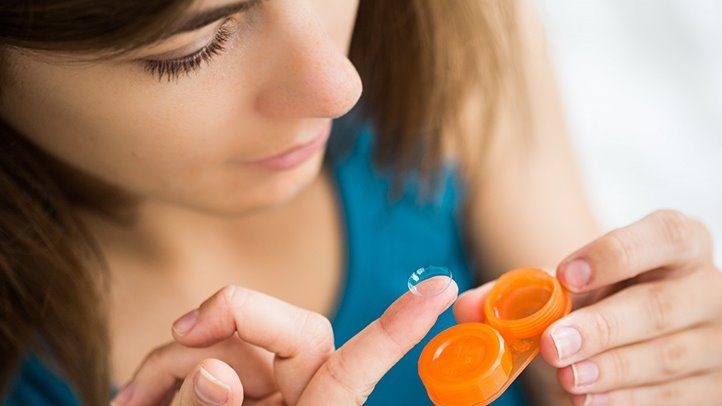
Water and moisture can cause serious harm to your contact lenses and lead to eye infections. Be sure to avoid water and moisture when handling your lenses. Here are some tips to help you keep your lenses dry:
- Always keep your lenses in a clean, dry case.
- Replace the lens case every three months.
- Do not use tap water to clean your lenses or contact lens case. Use only sterile saline solution or rewetting drops.
- Do not swim or shower while wearing contact lenses.
- Remove your lenses before using a hot tub or sauna.
Replace Your Lenses as Recommended
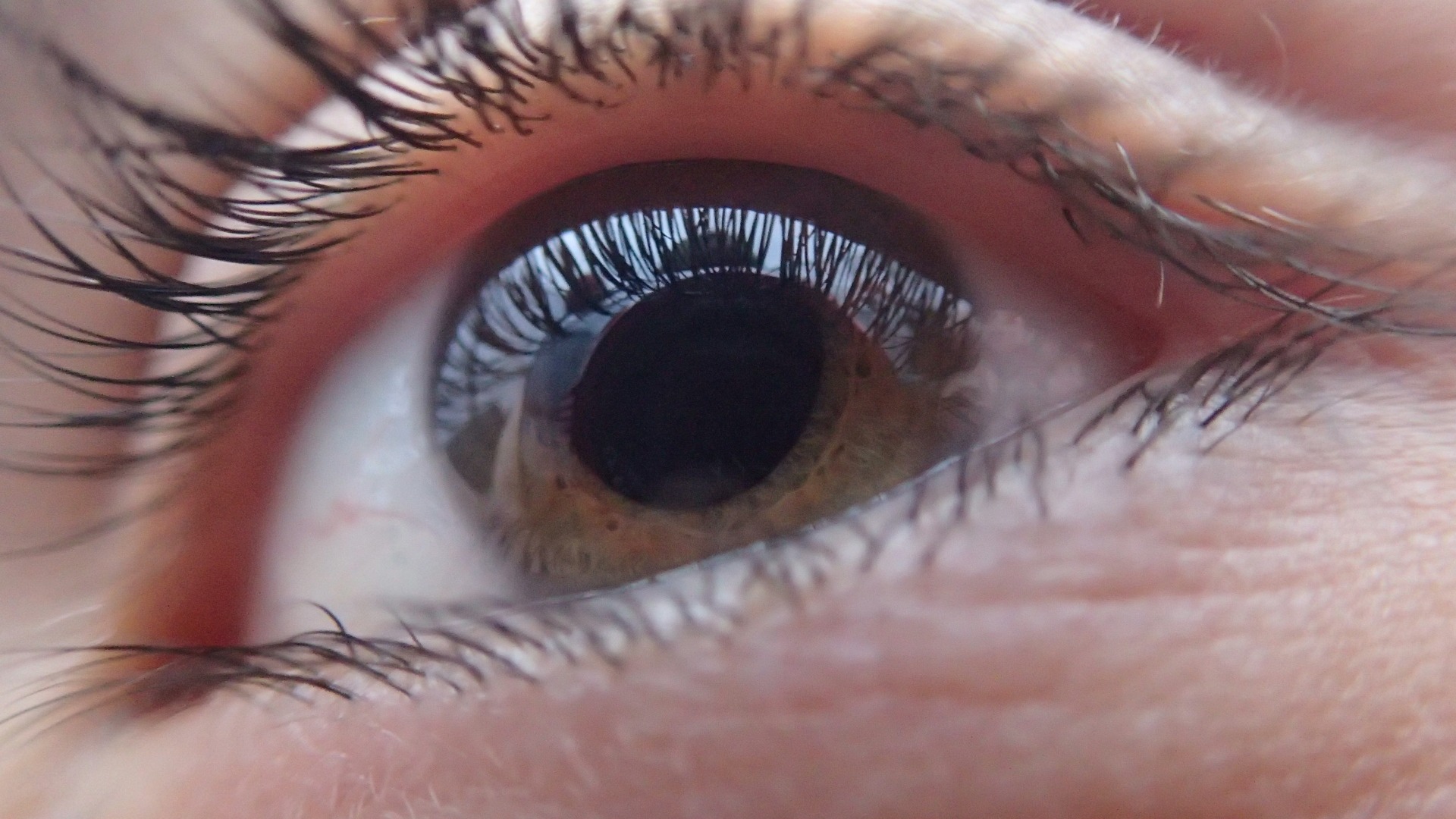
Replacing your lenses as recommended is crucial to prevent eye infections. Different lenses have different replacement schedules, such as daily, weekly, or monthly. It is important to follow the recommended replacement schedule to prevent the buildup of bacteria, protein, and other debris on the lenses. Additionally, replace your lenses immediately if they are damaged or torn.
If you wear contact lenses, it is essential to replace your lenses as recommended by your eye doctor. Depending on the type of lenses you have, this could be anywhere from every two weeks to every few months. Viral/Herpes Keratitis Viral or herpes keratitis is a corneal infection caused by the herpes simplex virus (HSV). A virus can easily spread to your other eye or to someone else. You’ll probably have to wait out a viral infection, but you can ease your symptoms with a cool compress and artificial tears.
So, be sure to follow your eye doctor’s recommendations for replacing your contact lenses. Doing so will help keep your eyes healthy and free from infection.
Avoid Sleeping with Contact Lenses
Sleeping with contact lenses is a major no-no when it comes to preventing eye infections. When you sleep with your lenses in, you’re essentially trapping bacteria and other contaminants against your eyeball, which greatly increases your risk of developing an infection. Not to mention that it can be incredibly uncomfortable to sleep with something foreign in your eye! If you want to keep your eyes healthy and infection-free, make sure to take your lenses out before hitting the pillow.

Schedule Regular Eye Exams
It’s important to schedule regular eye exams, even if you don’t wear contact lenses. During these exams, your doctor can check for any early signs of infection and can help you prevent further problems.
Be sure to tell your doctor about any changes in your vision or if you experience any pain or discomfort in your eyes. These could be signs of an infection.
Your doctor may also recommend that you see an ophthalmologist if you have a family history of eye disease or if you are at risk for other health conditions that could affect your eyesight.
2. Don’t Skip Your Contact Lens Care Routine
It’s important to follow the contact lens care instructions from your doctor and the contact solution manufacturer to help prevent infection. This includes cleaning and disinfecting your contacts and lenses as well as storing them properly.
You should also never reuse contact lens cleaning solutions again. Be sure to use a fresh contact lens solution every time you clean your lenses. People who wear contact lenses have a higher risk for keratitis, an infection of the cornea, the clear outer covering of your eye.
They’re also called corneal ulcers. Bacterial keratitis is typically a result of improper contact lens care or an eye injury and often develops suddenly. Similarly, Fungal keratitis disease control and corneal transplant extended the contact lens wearers.
3. Avoid Touching Your Eyes
Touching your eyes with dirty hands can transfer bacteria and increase your risk of developing an eye infection too.
Conclusion
Contact lenses can provide many benefits, but they require proper care and maintenance to prevent eye infections. By following these eight proven steps, you can minimize the risk of contact lens-related eye – infections and maintain healthy eyes. Remember to choose the right type of lenses, clean and disinfect your lenses regularly, follow proper hygiene practices, avoid water and moisture, replace your lenses as recommended, and schedule regular eye exams.
FAQs – Prevent Eye Infections from Contact Lenses
Can contact lenses cause eye infections?
Yes, contact lenses can cause eye infections if proper care and maintenance of contact lenses are not followed.
How often should I replace my contact lenses?
Different lenses have different replacement schedules, such as daily, weekly, or monthly. It is important to follow the recommended replacement schedule to prevent the buildup of bacteria, protein, and other debris on the lenses.
Can I swim or shower with my contact lenses?
No, you should avoid swimming or showering with your contact lenses, as water can either remove contact lenses or get trapped between the lenses and the eyes, increasing the risk of infections.
Can I use tap water to clean my contact lenses?
No, you should avoid using tap water, saliva, or other non-sterile solutions to clean your lenses wearing contacts. Use only the recommended cleaning solutions.
Why do I keep getting eye infections from contacts?
Occasionally bacteria or microbial keratitis develop on the cornea. This bacterial pathogen is more likely to invade eye tissue if contacts are worn for long or improperly cared for 8, 9.
How common are eye infections from contacts?
In addition to lens-related eye infections due to blinding limbs and eye infections, serious eye infections affect one in every 1000 contact lenses used annually.
Thank you for reading 8 proven steps to prevent eye infections from contact lenses and take care of your eyes today!


