


Injuries in sports are common, but the eyes are particularly vulnerable to an eye injury. Eye injuries can range from minor irritations to severe trauma, including corneal abrasions, detached retinas, and fractures of the eye socket. Taking precautions to protect your eyes can help Prevent Eye Injuries in Athletes each year.
As an athlete, taking care of your body is paramount, and this includes your eye safety and protecting your eyes. Eye injuries can occur in any sport, from basketball to soccer, and the consequences of serious eye injury can be severe, including vision loss. In this article, we will provide you with six unbeatable tips to prevent common eye injuries even in athletes.
1. Wear Protective Eyewear
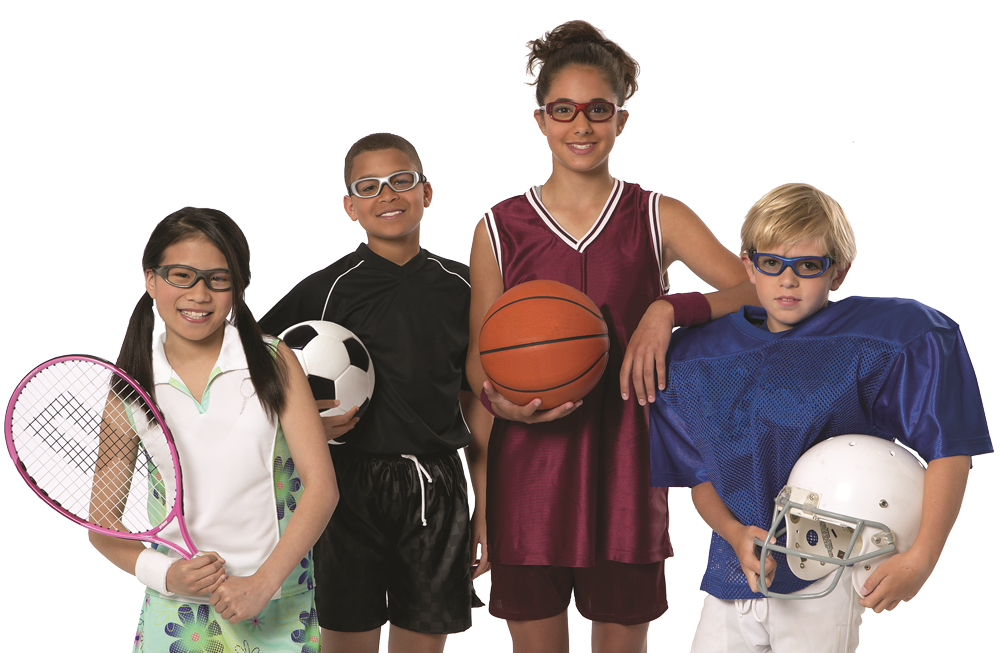
Protective eyewear is essential for sports eye safety and for preventing eye injuries. Athletes should wear appropriate eyewear for their sport, such as goggles or a face mask or wear sports goggles. These should be made from impact-resistant materials and fit securely over regular glasses to prevent them from falling off during play.
Eye injuries are a common occurrence in sports, in particular, sports but they are also largely preventable. Wearing protective eyewear is a simple and effective way to have eye protectors reduce the risk of eye injuries in athletes.
Goggles are a popular choice for sports such as basketball, racquetball, and soccer, as they provide full coverage of the eyes and are designed to stay in place during high-intensity movements.
Face shields are often used in sports such as football and hockey, where there is a very high risk of impact from flying objects. Helmets with visors are commonly used in sports such as baseball and softball, whereas in very high-risk sports the ball can travel at high speeds and strike the face.
2. Practice Good Hygiene
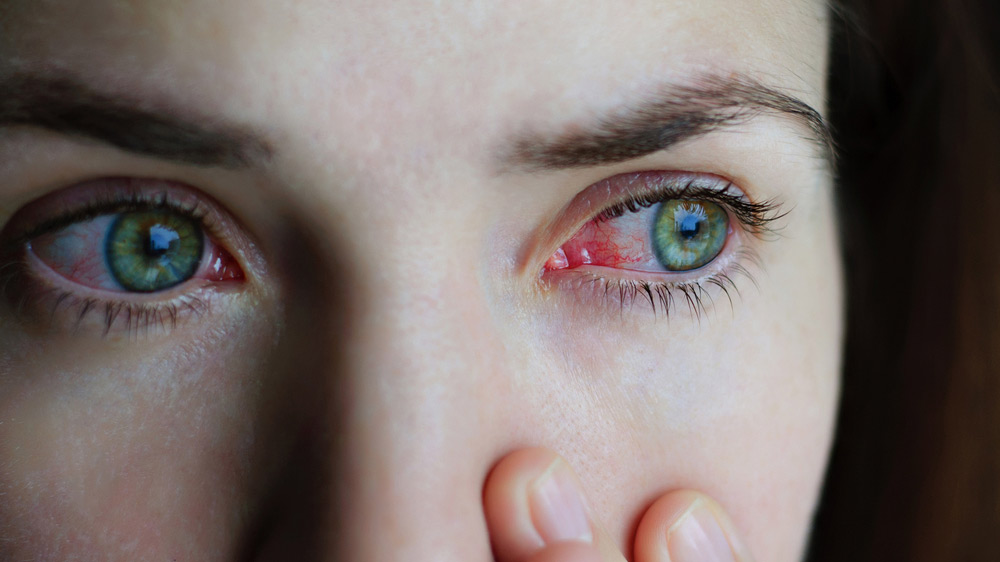
Practicing good hygiene is crucial for preventing eye infections, which can lead to long-term and permanent vision loss and problems. Athletes should avoid touching their eyes, and if they must, they should wash their hands thoroughly before and after. Sharing towels, water bottles, and other personal items should be avoided.
To prevent the spread of infections, athletes should practice good hygiene habits such as washing their hands frequently and avoiding touching their eyes or face. Athletes should also avoid sharing towels, water bottles, and other personal items that can spread bacteria or viruses. Radiation injuries are caused by exposure to ultraviolet light from the sun.
3. Be Aware of Your Surroundings
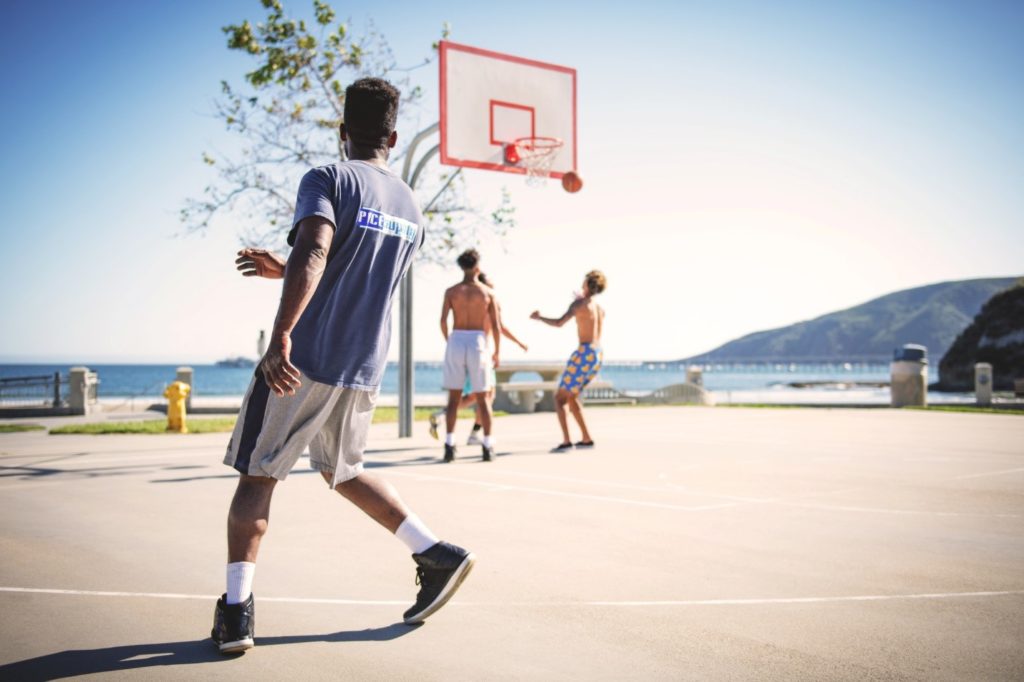
Being aware of your surroundings can help prevent eye injuries from collisions with other players, objects, or the playing surface. Athletes should be aware of their position on the field, court field hockey, or rink, and avoid collisions by slowing down or changing direction.
To prevent these types of higher risks of injuries, athletes playing sports together should pay close attention to their surroundings and be aware of the movements of other players and objects in the playing area.
They should also stay alert and focused during gameplay, avoiding distractions and maintaining good communication with teammates. Sports cause more than 40,000 eye injuries each year. More than 90 percent of these injuries can be prevented. Overall, basketball and baseball cause the most eye injuries, followed by water sports and racquet sports.
When participating in sports such as baseball, softball (while batting), hockey, and tackle football, children should wear safety goggles with polycarbonate lenses for optimal eye protection. For water-based activities like surfing, water polo, water skiing, and tubing, kids also require safety goggles with polycarbonate lenses designed for use in water. Additionally, sports like fencing, lacrosse, and paintball may necessitate specialized contact lenses or face protection. In certain positions, such as playing as a goalie, extra eye and face protection may be needed to ensure safety during the game.
And any full-contact sport where eye protection is nonexistent like boxing, martial arts and especially MMA fighting or wrestling, poses a high risk of serious eye injury that may lead to the injured person becoming blind. Injuries range from mild to deep cuts.
4. Rest and Recovery
Rest and recovery are crucial for preventing eye injuries, particularly in sports eye injuries and those caused by overuse. Athletes should take breaks during practice and games, and seek medical attention if they experience any symptoms of eye strain or fatigue.
Athletes should ensure that they are getting enough rest and recovery time between practices and games. This includes getting enough sleep, taking breaks during long practices or games, and taking days off when necessary to allow the body to recover.
5. Stay Hydrated
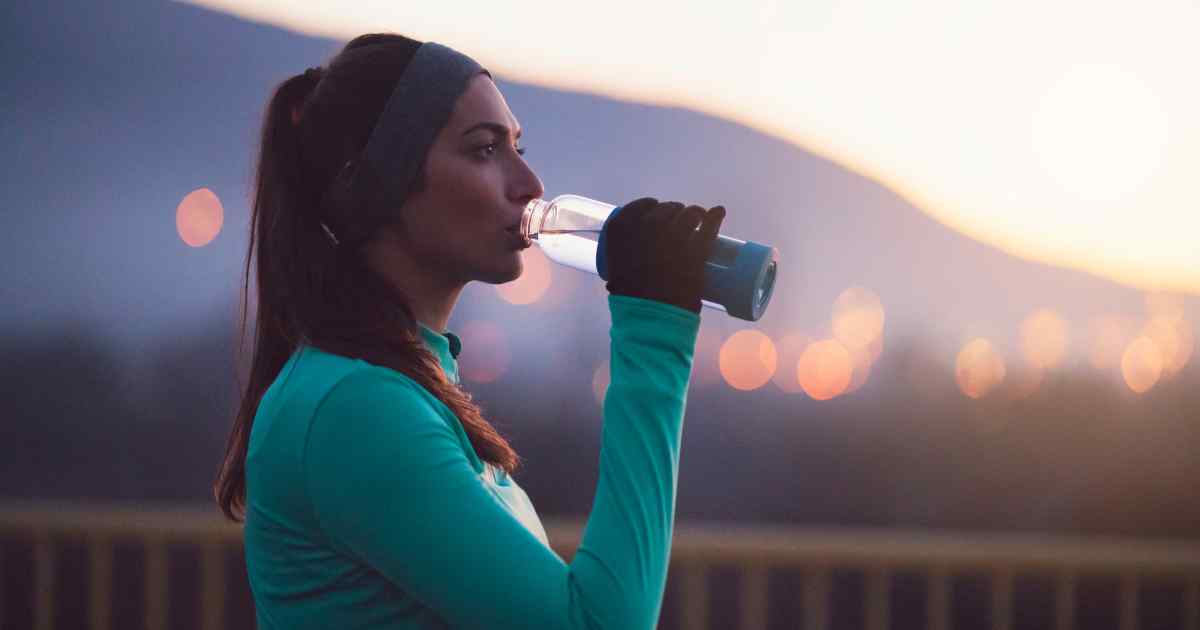
Staying hydrated is essential for overall health and can help prevent eye injuries. Dehydration can cause dry eyes, which can increase the risk of eye infections and other injuries. Athletes should drink plenty of water before, during, and after practice and games.
Athletes should drink plenty of fluids before, during, and after practices and games to maintain proper hydration levels. It is important to drink water or sports drinks rather than sugary or caffeinated beverages, which can dehydrate the body.
6. Get Regular Eye Exams
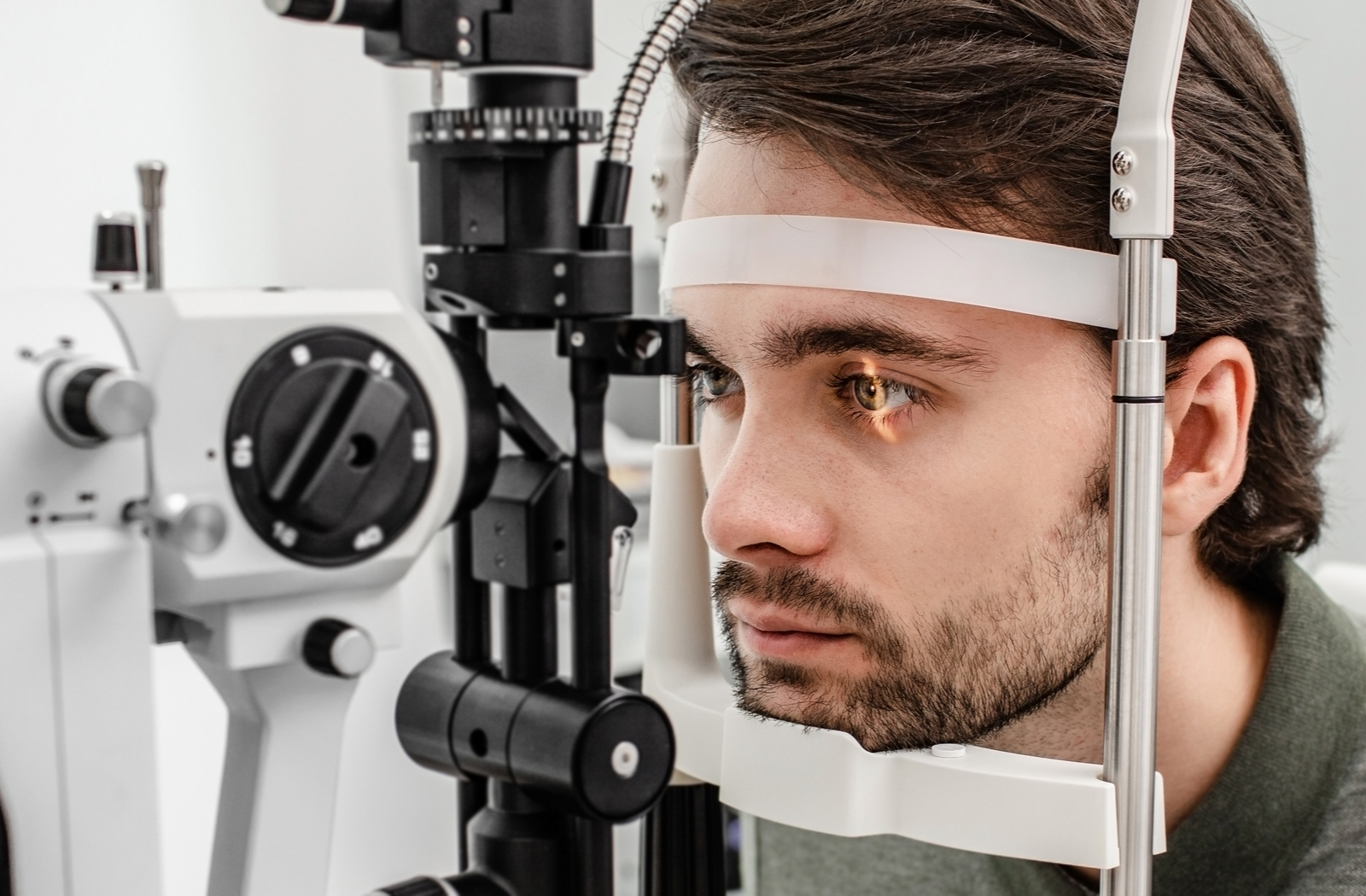
Regular sports eye exams are critical for detecting and treating eye problems early. Athletes should have their eyes examined by an eye doctor at least once a year, or more frequently if they wear corrective lenses wear glasses. This can help the family doctor ensure that any vision problems are addressed promptly and that the athlete is using the correct eyewear.
Getting regular eye exams is an important way to prevent eye injuries in athletes. Eye exams can detect vision problems, eye diseases, and other issues with an injured eye that can increase the risk of eye injuries during sports and recreational activities too.
Athletes and high-risk sports also should schedule regular eye exams with an eye doctor or ophthalmologist, particularly if they have a family history of eye problems or wear corrective or body contact lenses. Eye exams can help ensure that athletes have the proper prescription for their glasses or contact lenses, which can improve their vision and reduce the risk of accidents and injuries.
Conclusion
In conclusion, eye injuries are a serious and high risk for athletes, but they can be prevented by taking appropriate precautions. Athletes and low-risk sports, should wear protective eyewear, practice good hygiene, be aware of their surroundings, rest and recover, stay hydrated, and get regular eye exams. By following these tips, athletes can reduce their risk of eye injuries and enjoy a safer and more successful sporting experience.
FAQs – Prevent Eye Injuries in Athletes
What is the most common eye injury in athletics?
The most common eye injury in athletics is a corneal abrasion, which is a scratch on the surface of the eye.
What is the basic protection against eye injury?
The basic protection against eye injury is wearing protective eyewear or goggles that are specifically designed for the sport or activity being played.
What causes eye injury in sports?
Eye injuries in sports can be caused by a variety of things, including getting hit with a ball or other object, collisions with other players, and even accidental finger pokes.
What are five sports that can cause eye injury?
Some sports that can cause eye injury include basketball, hockey, baseball, tennis, and boxing.
What are 3 ways to protect your eyes?
Three ways to protect your eyes are to wear protective eyewear or goggles during sports or other activities that pose a risk of eye injury, avoid touching your eyes with dirty hands, and be cautious when using tools or machinery that could cause eye injuries.
Thanks for reading the tips to prevent eye injuries in athletes!


