



Who doesn’t want to have sharp, clear vision?
With the amount of time we spend in front of screens these days, it’s no wonder that our eyes can get a bit strained. That’s why we’ve gone to great lengths to find these 17 extraordinary herbs for eyes that can help enhance your eyesight naturally. No need for glasses with this one, folks! You can also check here for some more info about herbs and foods.
Read on and you will be herbing up your vision in no time.
These herbs for eyes will help your vision in so many ways!
1. Bilberry

A favorite among the herb world! This berry is packed full of flavonoids that are known for their antioxidative effects and their ability to improve blood circulation. It also helps with night blindness—who knew?!
2. Eyebright

As the name implies, this herb is especially useful when it comes to eye issues like conjunctivitis or styes. It is an anti-inflammatory and can help reduce swelling and redness in your eyes due to its astringent properties.
3. Ginkgo Biloba
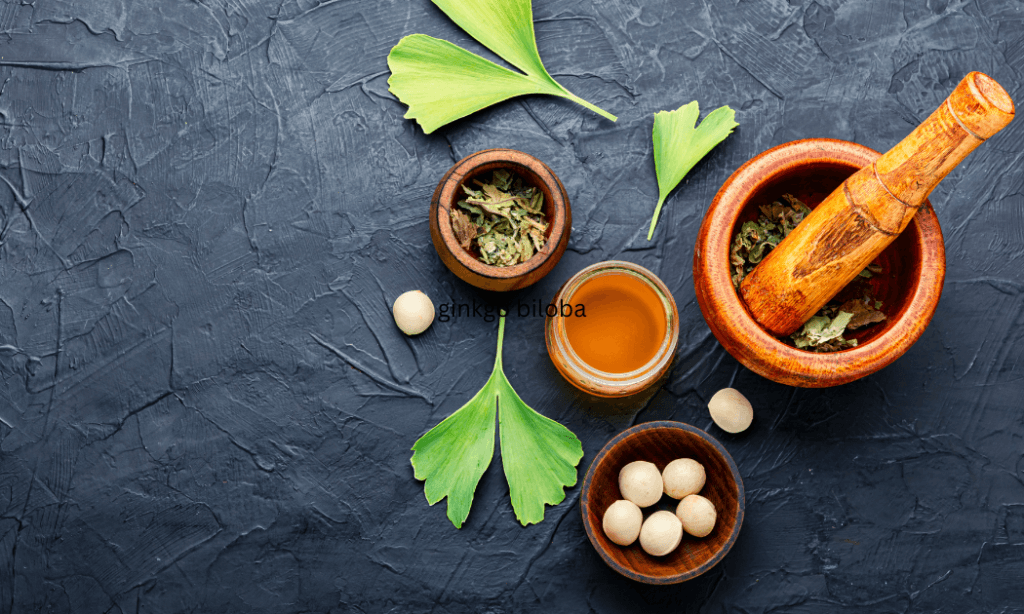
Known for its beneficial effects on memory and cognition, ginkgo biloba has also been found to help improve visual acuity as well as treating glaucoma and other eye diseases.
4. Goldenseal
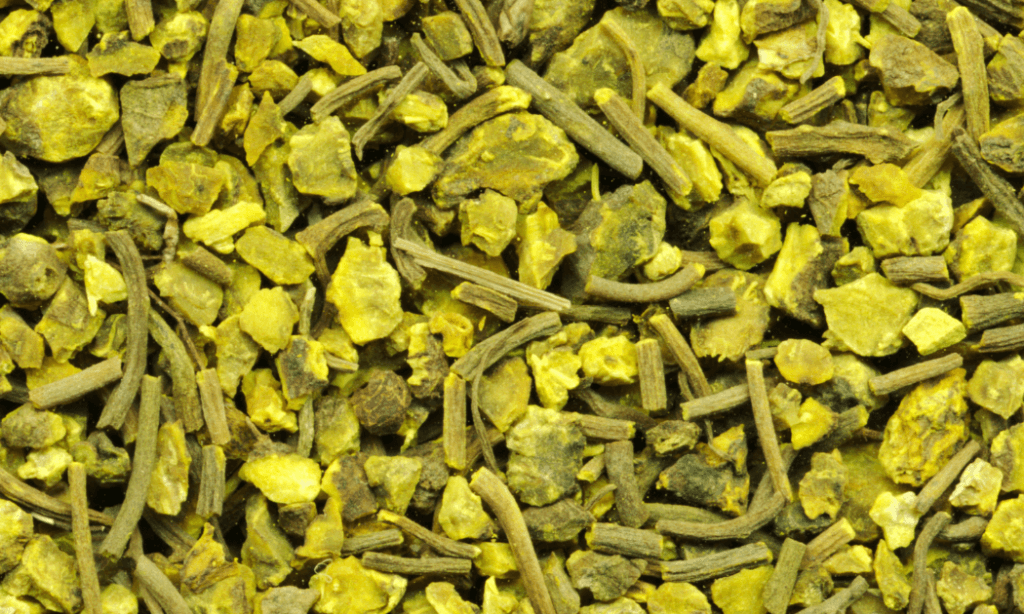
A great herb for fighting off bacterial infections related to the eyes—including pink eye! Goldenseal is a wonderful natural remedy for any kind of infection or inflammation in the eye area due to its antibacterial properties. This herb is one of the most popular in the United States.
5. Gotu Kola
This herb has long been used in traditional Indian medicine as a remedy for a variety of ailments including cataracts and glaucoma. Its anti-inflammatory properties make it ideal for treating any kind of inflammation related to the eyes too!
6. Milk Thistle
While milk thistle isn’t directly related to enhancing vision, it does help protect against damage from free radicals which can cause issues like macular degeneration over time if not kept in check.
7. Nettle Leaf
Rich in vitamins A, C, K and minerals like calcium and iron, nettle leaf is an all-around amazing herbal remedy for just about anything related to health including helping improve vision by providing essential nutrients needed by the eyes such as vitamin A which helps maintain healthy cells around the eyes like retinal cells that are necessary for proper sight!
8. Oats/Oat Straw
Did you know oats can be used as an eyewash? Oats contain beta-carotene which helps protect against UV rays from sunlight (which can damage your eyes). Oat straw also has high levels of zinc which helps with night blindness – cool right?!
9. Parsley
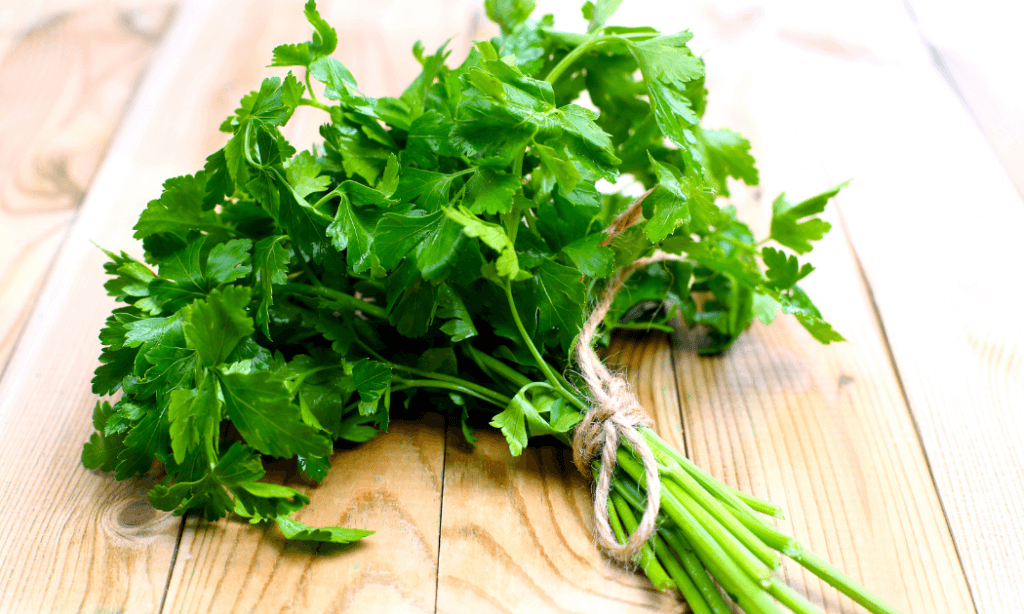
Did you know parsley was a great source of vitamin A? This vitamin helps maintain healthy cells around the retina so they can send signals properly back into your brain resulting in better clarity when looking at things far away or close up (like reading!).
10. Rosemary
Rosemary contains lutein which gives us protection from uv rays while also improving contrast sensitivity (the ability to see differences between dark & light objects) making it easier & faster for us humans too see small details quicker than usual!.
11. Sage
Sage as a herb is known for its anti-inflammatory properties and can help reduce eye strain and dryness when used as an infusion. It can also help improve overall eye health and vision.
12. Schisandra
This herb has been used in chinese medicine for centuries as a remedy for improving mental clarity and concentration while also helping protect against age-related vision loss. It is believed that schisandra helps prevent oxidative stress on the retina which can lead to macular degeneration over time.
13. Licorice root
This herb contains glycyrrhizin, which is known for its anti-inflammatory properties that can help reduce redness and irritation around the eyes caused by allergies or infection. Additionally, it can help improve visual acuity by preventing free radicals from damaging cells in the eyes over time.
14. Saffron
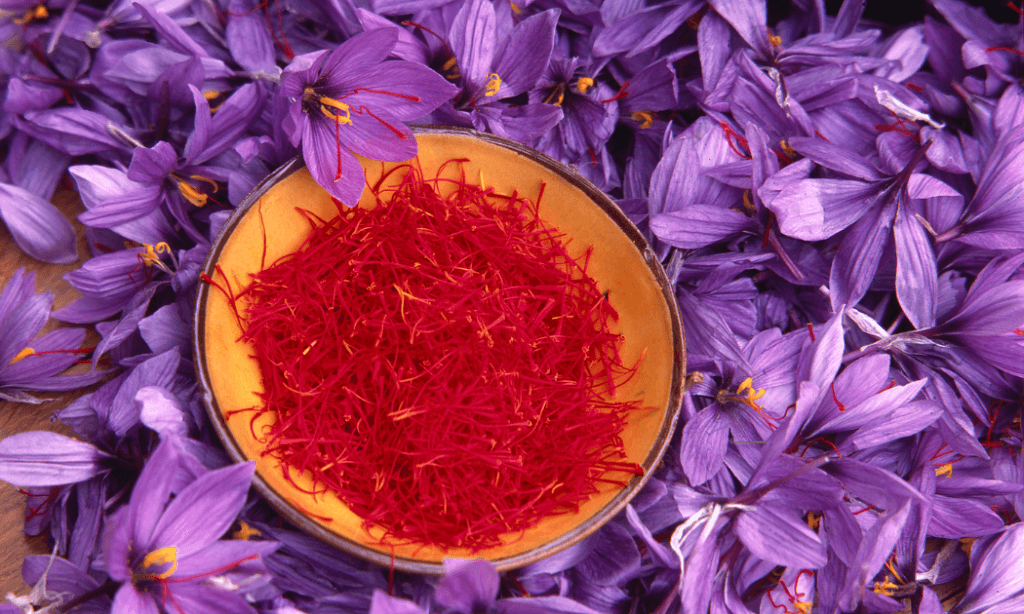
Saffron is known for its anti-inflammatory properties and can be used for treating inflammation related to eye diseases such as conjunctivitis or glaucoma. It also helps improve night vision and helps reduce eye fatigue from computer use or other activities that require a lot of visual focus.
15. Amla
Amla is an ancient herb from india which is commonly used for improving vision. It contains high levels of vitamin c which helps protect the eyes against free radical damage. It also improves retinal function and helps prevent age-related macular degeneration (amd).
16. Tulsi
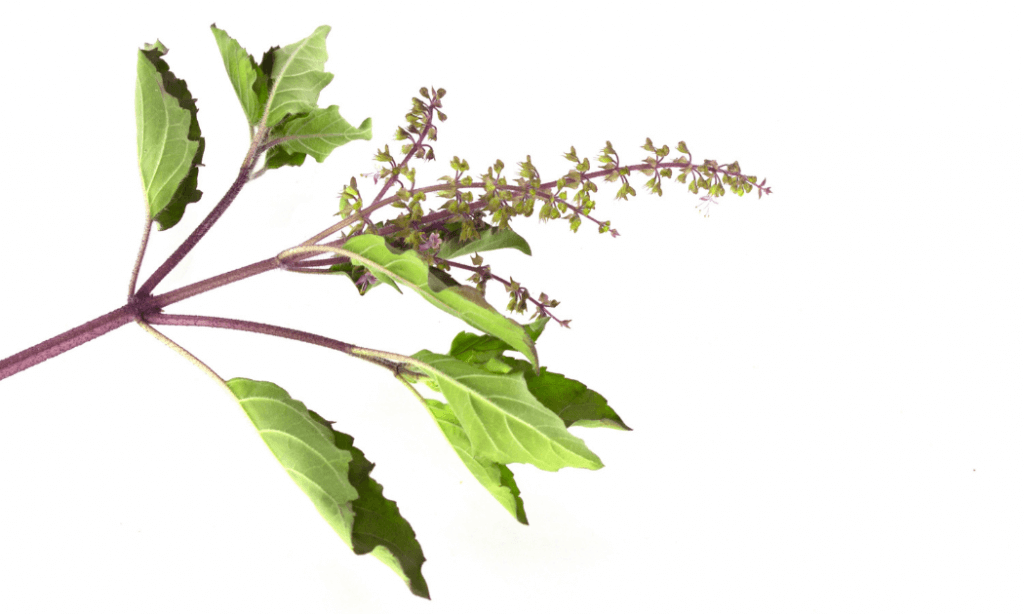
Tulsi, also known as holy basil, is another effective herb for improving vision. It contains powerful antioxidants which help protect the eyes from free radical damage caused by ultraviolet light exposure and other environmental factors. Tulsi also helps reduce inflammation, which can help improve vision in people with amd or other eye conditions.
17. Ginseng
Ginseng is another popular herb used for enhancing vision naturally. It helps strengthen blood vessels in the eyes, reducing tension around them so they can work better together when focusing on objects near or far away. Ginseng also has anti-inflammatory properties which may help reduce symptoms associated with glaucoma or cataracts.
Herbs For Eyes FAQ’s

Bilberry
How long does it take for bilberry to work on eyes?
The time it takes for bilberry to work on your eyes varies depending on the severity of the condition and how often you are taking it. Generally speaking, studies have shown that notable improvements in eye health can be seen after just a few weeks of regular consumption.
How do you use bilberry for eyes?
Bilberry can be taken as a supplement or it can be consumed as tea or added to smoothies or juice drinks. The suggested dosage varies between 50 – 200 mg per day depending on your specific needs; however, you should speak with your doctor before taking any supplement- especially if you suffer from an existing medical condition such as diabetes or hypertension.
Eyebright
How long does it take for eyebright to work?
Eyebright is a natural herb that’s gaining traction as an effective remedy for various eye-related conditions, such as redness, inflammation, and even glaucoma. It can take anywhere from several days to a few weeks for Eyebright to work.
How do you use eyebright for eyes?
To use Eyebright for eyes, you can make a simple tea from the herb by adding one teaspoon of dried eyebright herbs to eight ounces of boiling water. Allow it to steep for 10 minutes before straining it into a cup. Make sure you only use distilled or filtered water as tap water may contain chemicals that could be harsh on your eyes. Drink 1/4 cup four times daily between meals as a general tonic to support healthy vision.
Can eyebright help macular degeneration?
Yes, eyebright is beneficial for people with macular degeneration. This herb has long been used to treat vision-related conditions such as cataracts as well as age-related macular degeneration (AMD).
Ginkgo Biloba
How do you use ginkgo biloba for eyes?
In order to use ginkgo biloba for your eyes, you can try taking it orally or applying it directly on your skin around the eyes.
If you choose to take it orally, there are many types of supplements available in capsule form or liquid extract that typically contain Ginkgo leaf extract.
For those who would rather apply it externally, one option is a topical cream made with Ginkgo Biloba which can be used to massage lightly around the eyelids twice daily for about 10 minutes each session before washing off with lukewarm water afterwards.
How long does it take for ginkgo biloba to work?
Ginkgo biloba is a wonderful herb that can provide a number of health benefits, including improved cognitive function and reduced risk of Alzheimer’s disease. It has been used in traditional Chinese medicine as an herbal remedy for over 3000 years, so it’s no wonder that so many people are interested in how long it takes for ginkgo biloba to work.
The answer really depends on your individual situation and the specific condition you’re hoping to treat with ginkgo biloba.
Most people notice effects after about 3-4 months of regular use.
Is ginkgo biloba good for cataracts?
Ginkgo biloba is a popular herbal remedy that is widely used for its potential health benefits, including treating and preventing cataracts. Studies suggest that ginkgo biloba can improve vision-related conditions such as diabetic retinopathy, glaucoma, and cataracts.
Goldenseal
How do you use goldenseal for eyes?
To create a homemade eyewash with goldenseal, simply steep 1 teaspoon of dried roots in one cup boiling water for 15 minutes before straining and gently pouring into each eye once cooled down. This should result in soothing relief from irritation caused by allergies or dryness among other things!
How much goldenseal can I take per day?
You should always consult with your healthcare provider before taking any supplement to ensure its safety and effectiveness.
When it comes to daily dose of goldenseal, the general recommendation is no more than 1 gram per day taken in capsule form or tea. It’s important not to exceed this dosage since goldenseal contains alkaloids which may potentially cause toxicity when taken in large doses over an extended period of time.
What happens if you take goldenseal everyday?
Goldenseal (Hydrastis canadensis) is an herbal remedy that has traditionally been used by Native Americans as a medicinal herb for centuries. It contains several active compounds thought to have powerful antibacterial, antimicrobial and anti-inflammatory properties.
However, taking too much of any herbal supplement can cause serious side effects such as stomach upsets, dizziness or drowsiness so it’s best not exceed recommended dosages without consulting with a doctor first about what would work best for your particular situation.
Gotu Kola

How do you use gotu kola for eyes?
There are several ways to use gotu kola for your eyes:
1. Take Gotu Kola Supplements
You can take oral supplements or capsules containing gotu kola extract or powder in order to get its healing benefits for your eyes. This supplement should be taken according to the directions on the label and consult your healthcare provider before taking any new supplement as individual needs may vary from person-to-person.
2. Prepare an Eye Rinse
Boil 1 teaspoon of dried gotu kola leaves in 8 ounces of water till it reduces by half its initial amount, strain out the solids and allow it cool down until lukewarm temperature before using as an eye rinse solution. Apply this solution liberally over both eyes while closing them every time you do so (avoid getting product into eyeballs!). Use this remedy no more than twice daily as it can have a drying effect if done too often.
3. Create Gotu Kula Compress
Create compress by combining 3 tablespoons of freshly ground gotu kula with 2 teaspoons of honey into a paste like consistency; Spread this onto clean cloth, apply compress directly over closed eyelids for approximately 15 minutes and repeat once daily Till desired results are seen (it’s important to not keep such application past 20 minutes due potential skin irritations).
Does gotu kola affect blood pressure?
Gotu Kola, also known as Centella asiatica or Indian Pennywort, is a traditional herb used in Ayurvedic medicine. This herb has been widely studied for its potential to reduce high blood pressure, improve circulation, and even prevent varicose veins.
Does gotu kola affect the heart?
Yes, gotu kola (Centella asiatica) has a beneficial effect on the heart. This herb is used in Ayurvedic medicine and is packed with antioxidants and anti-inflammatory compounds that help protect your cardiovascular system.
Studies have shown that it can reduce LDL or “bad” cholesterol levels, increase HDL or “good” cholesterol levels, improve circulation of blood to the heart muscles, reduce inflammation of clogged arteries and veins, lower high blood pressure. All helpful for preventing risks of stroke or cardiac illness.
Milk Thistle
How do you use milk thistle for eyes?
Milk thistle helps protect your eyes from oxidative stress and the damaging effects of ultraviolet radiation, while also improving circulation to the optic nerve, which reduces eye fatigue and strain. It has been used to treat many common eye problems including floaters, dry eyes, inflammation, cataracts and blurred vision.
The most popular way to take milk thistle is by drinking its tea or extract form every day as part of a healthy diet. You can mix 1 tsp of milk thistle powder into 8 ounces (1 cup) of hot water then drink it once daily before bedtime on an empty stomach for better results. Additionally, eating raw fresh leaves from milk thistles 3 times per week is another effective way to get all its nutrients at once.
What happens if you take milk thistle everyday?
Taking milk thistle every day may offer various health benefits, including detoxifying the liver and promoting healthy digestion. It has been used for centuries in traditional herbal medicines to treat stomach ailments, improve skin health, and soothe respiratory problems.
Nettle Leaf
How do you use nettle leaf for eyes?
One of the best ways to use nettle leaf for your eyes is by making an herbal tea using fresh or dried leaves. Simply add 1 teaspoon of dried leaves in one cup of boiling water for 10 minutes, then strain and allow it to cool before applying it directly onto the affected area around your eyes 2-3 times a day.
You can also make an infused oil from the nettle leaf herbage by adding them in oil. Such as olive or almond oil and storing it in a dark bottle away from sunlight for two weeks before straining out any particles. This infused oil can be used as an eye wash or massage oil to soothe and nourish tired, irritated eyes.
What happens if you drink nettle tea everyday?
Drinking nettle tea on a regular basis can be incredibly beneficial for your overall health! Nettle tea is packed with essential vitamins and minerals that can help strengthen the immune system, increase energy levels, reduce inflammation, and improve skin health. It’s also high in antioxidants which may reduce oxidative stress in the body, protecting it from cell damage caused by free radicals.
Oats/Oat Straw
How do you use oat straw for eyes?
It is to make a tea out of oat straw, which you can do by boiling two or three tablespoons of it in one cup of water for 10 minutes before straining the liquid. Once cooled, you can dip cotton pads into the tea and place them over your closed eyelids. This helps refresh tired or strained eyes. It also reduces puffiness by reducing inflammation due to its anti-inflammatory properties!
What is oat straw infusion good for?
Drinking an oat straw formulation may help improve brain function since oats contain B vitamins, iron and other key micronutrients essential for proper cognitive development. The magnesium present in oats could also aid memory improvement while decreasing fatigue among those who struggle during regular mental tasks like studying or working on complex projects over prolonged periods of time.
Parsley
How does parsley lower blood pressure to benefit eyes?
Parsley has some interesting scientific benefits when it comes to lowering blood pressure and promoting eye health. Research has shown that parsley is a rich source of natural compounds such as flavonoids, terpenes and phenolic acids which all contain anti-inflammatory properties.
These anti-inflammatory properties can help reduce the risk of developing high blood pressure, which affects the eyes in a number of ways.
What are the benefits of drinking parsley tea?
Parsley tea can be a great addition to your daily routine. It’s full of essential vitamins and minerals like Vitamin A, Vitamin C, potassium, and zinc that help support overall health. Drinking parsley tea can offer a variety of benefits to the body – including supporting digestion, detoxification, and boosting immunity.
Rosemary
How do you use rosemary for eyes?
Rosemary tea bags are one of the best ways to get these benefits. They work by compressing the herbs against your eyes with the heat from the hot water bag. Simply add a few rosemary tea bags in boiling water for 5 minutes, place them on a clean cloth or paper towel and then press them onto your closed eyelids for 10-15 minutes – repeat if desired.
Not only does this help soothe irritation but it also helps tighten skin around your eyes giving you an overall refreshed look!
What happens if you drink rosemary tea everyday?
Drinking a cup of rosemary tea every day can provide your body with some wonderful health benefits. Rosemary is an herb from the mint and myrtle family that has been used for centuries to treat many ailments. In recent years, there have been plenty of studies that support the positive effects of drinking rosemary tea on a daily basis.
Here are just some of them:
1. Improves Cognitive Function: The aroma and flavonoids present in rosemary are known to stimulate brain activity, which can help improve memory recall, problem-solving skills, mental clarity and alertness. Studies suggest that regularly drinking this tea can result in improved learning ability over time.
2. Anti-Inflammatory Properties: Rosemary contains powerful antioxidants like carnosic acid which helps reduce inflammation throughout your body by fighting off free radicals responsible for cell damage or aging signs like wrinkles and age spots! Additionally, its anti-inflammatory properties make it beneficial for people with rheumatism as well as joint pain or muscle tension associated with exercise.
3. Regulates Blood Pressure Levels: Not only does drinking this herbal tea reduce high blood pressure levels but also lowers cholesterol and triglyceride levels according to various scientific studies! This makes it great for those suffering from heart issues such as stroke or coronary artery disease so definitely add this into your daily routine if you think you’re at risk of any cardiovascular illnesses (or even better – prevention!).
4. Improves digestive health: Regular consumption of rosemary tea aids digestion problems such as bloating by helping detoxify the body due to its carminative properties – meaning it helps expel excess gas from intestines thus preventing overall discomfort in one’s stomach area!
It also works wonders when dealing with constipation due to having diuretic components that help increase production of urine throughout day (aka flushing out all waste products much faster) while simultaneously boosting liver function which keeps body running efficiently overall!!
To reap these amazing benefits remember try not go overboard though – it’s best to stick following recommended dosage guidelines (usually 1 teaspoon per cup; no more than 3 cups per day).
Drinking too much could actually lead negative side effects like headache/nausea so be careful how much you’re consuming at once if choose indulge regularly, but no need worry taking correct precautions because yes indeed “too much a good thing” DOES exist
What is the side effect of rosemary?
Rosemary is a fragrant herb commonly used in cooking, mostly to infuse flavor into savory dishes. It has been known for centuries to have medicinal properties and even works as an insect repellant.
However, as with anything we ingest or apply to our body, there can be side effects associated with rosemary. Studies show that consuming large amounts of the herb (more than 2 teaspoons per day) may induce nausea, vomiting and intestinal discomfort.
Additionally, those with kidney disease should avoid using it due to its high potassium content which could worsen their condition by causing hyperkalemia.
Likewise, pregnant women are advised against consuming it because of the increased risk of complications posed by its anti-inflammatory compounds that stimulate circulation and blood flow in the uterus.
Sage
How do you use sage for eyes?
To use sage safely around the eyes, you should begin by creating a soothing eye compress. Start by adding 1 teaspoon of fresh or dried sage to 1 cup of boiling water and allow it to steep for 5 minutes.
Once cooled (to make sure that it’s not too hot), you can use this mixture as a compress on your eyes for several minutes at a time, around 10 minutes per application is best, up to three times daily until desired results are achieved.
The temperature should be comfortable enough that the warmth feels good but not so warm that it irritates your skin or causes any discomfort whatsoever.
Does sage affect the brain?
Sage is thought to have neuroprotective properties that may help protect your brain from damage and improve overall cognitive performance.
The active ingredients in sage, including essential oils, tannins, flavonoids, terpenes, phenolic acids and polyphenols – may have a range of beneficial effects on the brain.
Studies suggest that consuming sage can enhance memory, alertness and concentration abilities in both healthy individuals as well as those experiencing age-related memory decline or dementia.
Does sage have side effects?
When it comes to the potential side effects of sage, there are a few things to consider. Generally speaking, sage is considered safe when used in culinary amounts and has been used for centuries for medicinal purposes with few reported side effects.
However, some people have reported experiencing digestive upset and skin irritation after consuming or using the herb topically.
Schisandra
How do you use schisandra for eyes?
Schisandra can be consumed both as an ingredient in food or beverage items, or taken as a supplement. Eating foods containing schisandra regularly may serve to provide some relief over time if your eyes are feeling dry and itchy.
You can also steep two teaspoons of dried schisandra berries into a cup of hot water for 10-15 minutes – this makes a tincture that you can use up to three times per day, by taking one teaspoon each time before meals on an empty stomach.
Additionally, adding more of this herb into your diets may prove to be helpful. It’s known to increase vitamin A levels which helps combat blurred vision due to inadequate tear production.
What does schisandra help with?
For starters, schisandra has been shown to improve overall mental clarity by boosting energy levels and enhancing your memory ability.
Studies demonstrate that taking supplements or extracts of schisandra can help you focus both mentally and physically due to its energizing nature.
The lignans found in schisandra may also provide protection against stress-related fatigue associated with neurological disorders such as Parkinson’s disease.
Does schisandra lower estrogen?
One study published in 2019 found that schisandra helped reduce elevated estrogen levels after only two months of use when compared to the placebo group.
By adding this adaptogenic herb into your routine you can help restore hormone balance through its ability to lower excess estrogen as well as stimulating liver enzymes which helps break down unwanted hormones faster than normal.
Licorice root

Is licorice root good for your eyes?
Licorice root, also known as Glycyrrhiza glabra, is something of a superfood for your eyes. It contains numerous compounds such as glycosides, flavonoids and terpenes which may help reduce the risk of developing certain eye disorders.
Not only that but licorice root can help improve the overall health of your eyes by reducing inflammation, improving circulation, and fighting oxidative stress- all vital processes in keeping our vision in good condition.
Who should not take licorice root?
While it has many benefits, there are some people who should not take licorice root.
Pregnant Women: It’s important to be careful when taking any kind of herbal supplement while pregnant or nursing. This is because some herbs can lead to birth defects or other complications during pregnancy.
Licorice root contains compounds called glycyrrhizin which can increase your body’s estrogen levels and therefore cause problems in pregnant women. If you are pregnant, it’s best to speak with your doctor before taking any type of licorice product including supplements and teas.
People with High Blood Pressure: People with high blood pressure should avoid taking licorice root because it can actually raise blood pressure due to its high amount of glycyrrhizin content.
Additionally, if you take medication for high blood pressure, licorice can interfere with this and make the drug less effective at controlling your blood pressure levels.
Diabetics: Licorice root has the potential to increase insulin resistance and reduce glucose tolerance in diabetics as well as cause fluctuations in their insulin levels which could lead to serious consequences if left unchecked by a healthcare professional monitoring such cases closely .
Therefore diabetics must always consult their doctors prior to adding any form of licorice extract into their diets as even small doses may have potentially dangerous effects on unstable diabetic patients .
Saffron
How much saffron should I take to improve eyesight?
The use of saffron as a natural remedy for improving eyesight has been practiced in traditional Indian medicine (Ayurveda) for centuries.
While the exact amount of saffron to consume can vary based upon individual needs and health conditions, it’s generally recommended that you take 2-3 strands of pure, high quality saffron each day. This should be consumed either with food or warm water.
How to make saffron tea for eyesight?
Drinking saffron tea is a great way to improve eyesight. Here’s how you can make it yourself:
Firstly, you’ll need ¼ teaspoon of dried saffron threads. Soak the saffron in 1/4 cup of boiling water for about 5 minutes. This will help unlock all the beneficial compounds for your health. Once done soaking, strain the mixture and set aside this liquid infusion.
To make the actual tea, combine 1 cup of boiled water with 2 teaspoons of honey and ½ lemon juice in a pot or teapot and bring it to a boil on medium heat until it reaches your desired sweetness level or tastes bitter-tart like black tea – whichever flavor profile you prefer!
Once brewed, add in your saffron infusion from earlier into the mix (you can adjust measurements according to taste preference). Heat up this concoction for about 3-4 more minutes on low flame before switching off the fire.
To reduce any pungent smell associated with cooked saffron, allow tea to cool down before serving so that its aroma blends well with other flavors elements and also helps maintain its potency as an eyecare supplement over time!
The benefits of consuming saffron tea are numerous when it comes to caring for our eyesight – studies have shown that antioxidants found within this herb can help protect against eye diseases such as cataract formation and age related macular degeneration while preventing oxidative damage caused by free radicals which lead to vision loss.
Additionally drinking warm liquids like this improves blood circulation within our optical network which further aids visual acuity long term.
So what are you waiting for? Try out making some invigorating & eye protecting Saffron Tea today!
Amla
How to use amla for eyesight?
Amla, also known as Indian Gooseberry, has long been used in traditional Ayurvedic practices for its health benefits. It is said to be particularly beneficial for eyesight and vision support due to its high content of Vitamin C and antioxidants.
In addition to this, it contains bioactive compounds such as flavonoids and phenolic acids which have antioxidant properties that can help protect your eyes from harmful UV rays and other environmental toxins.
Here are some tips on how you can use amla for your eyesight:
1) Make an Amla Eye Rinse: Boil one teaspoon of dried amla powder in half a cup of water. Allow the mixture to cool down before straining the liquid into a separate bowl.
Use this eye rinse every day by gently pouring some onto an eyebath or cotton ball, then using it like eyewash by closing your eyes and allowing it to flow over them before disposing off of the rinse away afterwards.
Doing this regularly can reduce inflammation in the eye area as well as improve vision overall.
2) Drink Amla Juice or Eat Dried Amla Fruit: Incorporating fresh or dried Amla into your diet is another way to reap the benefits that it has for providing vision support!
Drinking freshly extracted juice from amlas (approximately 2-3 tablespoons per day) or eating about one or two tablespoons per day of dried amlas can provide important vitamins such as Vitamin A & C which are good for healthy vision function alongside other nutrients like iron & calcium that keep our eyes working optimally.
3) Add Some Coconut Oil To Your Routine: Mixing coconut oil with powdered amla is said to be beneficial when applied externally around the eye area! This mixture helps lubricate dryness around your eyelids while also promoting elasticity – helping prevent wrinkles caused by aging!
Heat up a tablespoon of coconut oil until melted before adding 1 teaspoon of powdered Amla. Mix together then store in a jar before using daily, just take out what you need each time you want apply on your face/eyes. Doing so will lock moisture into delicate areas while boosting collagen production too!
Which Amla juice is best for eyesight?
Amla juice, also known as Indian gooseberry juice, is an incredibly beneficial beverage for your eyesight health! Not only does it contain powerful antioxidants like vitamin C and polyphenols that help reduce oxidative stress on the eyes, but it’s also packed with carotenoids like beta-carotene that can help improve vision in low light conditions.
Organic India makes a great amla juice powder that contains 25 percent pure organic Amalaki fruit extract (the highest quality ingredient). It has a flavorful blend of spices including cardamom and ginger – so you won’t have to worry about dealing with a sour taste.
Additionally, its formula contains essential vitamins A & E and amino acids like alanine which helps boost immunity while nourishing your eyes.
You could also try Kiva Organic Amla Juice Extract capsules if you don’t want to fuss around with powders or liquids; these are made from cold pressed grain fractions from USDA certified organic fruits that guarantee maximum nutrient content in every dose.
Each capsule has 400 mg of potent powder per serving along with some other ingredients like bioflavonoid complex for extra antioxidant benefits!
But when it comes to choosing the best amla juice for your eyesight health, there’s no single answer. The key is to look for a product with high-quality ingredients and enough nutrition – and of course one which tastes good!
Tulsi
How do you use tulsi for eyes?
In order to use tulsi for your eyes you can prepare an infusion or decoction with the leaves of this plant by boiling them in water. Once cooled down, use cotton balls dipped in it as compresses on your closed eyelids for about 15 minutes once a day.
Additionally you can add fresh tulsi juice directly into Eyesight Formula eye drops; this formula consists of other ayurvedic herbs known for their beneficial properties on vision health such as Amla (Indian gooseberry), Haritaki (Chebulic myrobalan), Vibhitaki (bellirica fruit) and Terminalia bellerica among others.
Mix one drop each time with 5-6 drops of distilled water and apply topically onto your eyelids twice daily after cleansing with warm water.
Is tulsi also known as holy basil good for eyes?
Absolutely! Tulsi, also known as holy basil, is widely known for its medicinal properties and is especially beneficial for eye health.
Not only does it help in relieving strain from long hours of work or studying due to its anti-inflammatory properties, but it can also help reduce the risk of developing cataracts, an age related eye disorder that causes blurred vision.
It helps improve night vision and protects eyes against the damage caused by UV rays.
What does tulsi plant cure?
Tulsi, or holy basil, is an ancient medicinal plant revered for its healing properties in Ayurvedic medicine. From reducing stress and boosting immunity to combating inflammation and providing cardiovascular support, tulsi has a wide range of uses.
Recent studies have found that tulsi can help combat cancer with the presence of anti-carcinogenic compounds that make it one of the natural remedies to prevent cancer.
Tulsi also helps alleviate symptoms related to diabetes by controlling blood sugar levels and promoting healthy digestion. Its antioxidant properties are beneficial for fighting free radicals, which can lead to premature aging, while its adaptogenic qualities offer balance in times of mental distress or physical fatigue.
Tulsi is also known as a natural remedy for many skin conditions such as acne and eczema due to its antimicrobial effects combined with its ability to reduce inflammation associated with these conditions.
Additionally, it soothes chest congestion when consumed as tea made from boiling tulsi leaves or inhaling their steam during inhalation therapy sessions for quick relief from colds or allergies.
Overall, the health benefits of tulsi are numerous! Making sure you incorporate this unique medicinal herb into your everyday routine may be just what you need improve your wellbeing holistically!
Ginseng

How does ginseng help eyesight?
Ginseng is a powerful herb with many health benefits, and it might even help improve your eyesight! Research indicates that ginseng has compounds that can protect the retina from oxidative stress.
This helps to reduce inflammation in the eyes, which can stop free radical damage and protect vision from damage over time. It could also potentially improve glaucoma by reducing intraocular pressure caused by fluids building up in the eye.
Ginseng may have other direct visual effects as well; studies show that consuming ginseng tea improves contrast sensitivity and night vision. It’s thought this may be due to how ginseng affects nerve transmission to the brain and its impact on dopamine levels within cells.
Finally, ginseng has been linked to increased blood flow within the eyeball itself. When combined with all of these other effects, improved circulation can result in better eyesight overall!
Ultimately, although more research is needed to fully understand how exactly it works and if everyone will benefit equally from taking it, some evidence suggests taking a daily dose of ginseng may offer protective ocular benefits when taken regularly for long periods of time. Making it worth considering for those looking for solutions to their poor eyesight woes!
What should be avoided while taking ginseng?
Taking ginseng can be a great way to boost your health and wellbeing, but it’s important to understand the potential side effects before taking it. Here are some things to avoid while taking ginseng:
1. Don’t take too much – Ginseng has an array of beneficial properties, but too much of anything can cause adverse effects especially if taken long-term. Stick with recommended doses suggested by a healthcare professional and don’t exceed the recommended dosage outlined in product instructions or label warnings.
2. Avoid combining with other medications – There may be possible interactions between ginseng and other drugs you may be taking for high blood pressure, diabetes etc., so always speak to your doctor before adding any supplement into your daily regimen.
3. Avoid consuming alcohol – Alcohol can interfere with how well you absorb the active ingredients in ginseng and reduce its effectiveness, so try not to consume too much alcohol when using this herbal remedy or avoid altogether if possible for best results.
4. Avoid taking at night – Ginseng is known as an energizer which should be taken early in the day to reap its full benefits as late night use could disrupt normal sleeping patterns due to its stimulating effects on mental clarity and alertness levels which could lead to feelings of anxiety or restlessness when used later in the evening/overnight hours closer bedtime hence why it’s advised not take this herb during these times closer bedtime hours instead opt for earlier usage within daytime hours throughout morning midday or afternoon windows instead if needing more energy at those times given over shorter durations rather than just one single dose that lasts through all day & night periods (if needed).
5. Avoid caffeine sources – Caffeine is known for counteracting the action of many herbs such as ginseng by blocking their absorption rate which reduces their efficacy hence why it’s best avoided alongside use of this particular supplement so try not consume overly large amounts whilst simultaneously utilising supplementation practice here either (for even better long term results).
Final Thoughts On These Extraordinary Herbs For Eyes
With so many options available when it comes to enhancing your eyesight through herbal remedies, there’s something out there for everyone!
From sage tea infusions all the way up through ancient Ayurvedic medicines like gotu kola. With many benefits ranging from protecting against oxidative stress caused by UV light exposure all the way up through increasing circulation within tiny vessels located around our retinas so we’re able see better than ever before without having any major negative side effects either!
These herbs for eyes offer a wide variety of benefits that may just be what you need to boost your peepers back into top form! So don’t wait any longer—try out one (or two!) today!
If you want to know which foods for eye health help your vision try this article.
Thank you for reading and take care of your eyes!


